
Expensive water, equity disaster, environmental harm
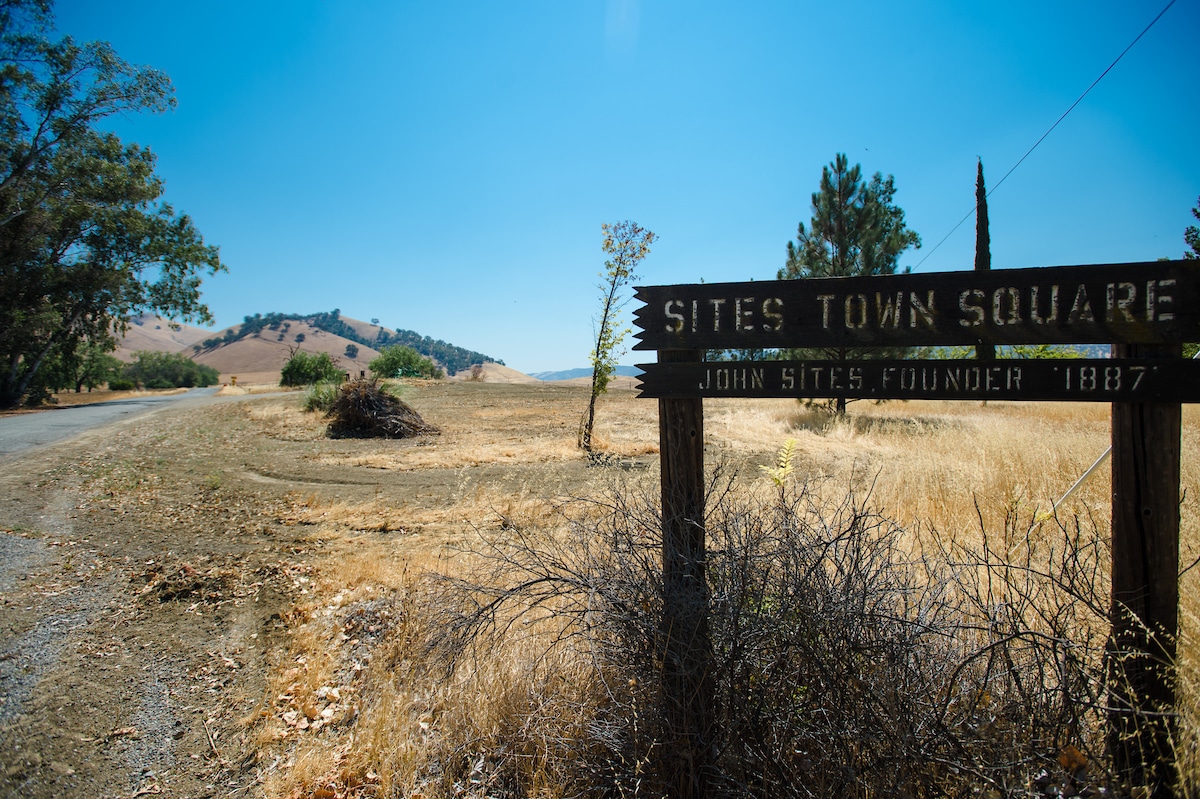
The proposed Sites Reservoir is one of the largest water projects proposed in California for many decades. It would pump water out of the Sacramento River and move it via canals to store in a new reservoir on the west side of the Sacramento Valley near Colusa, California.
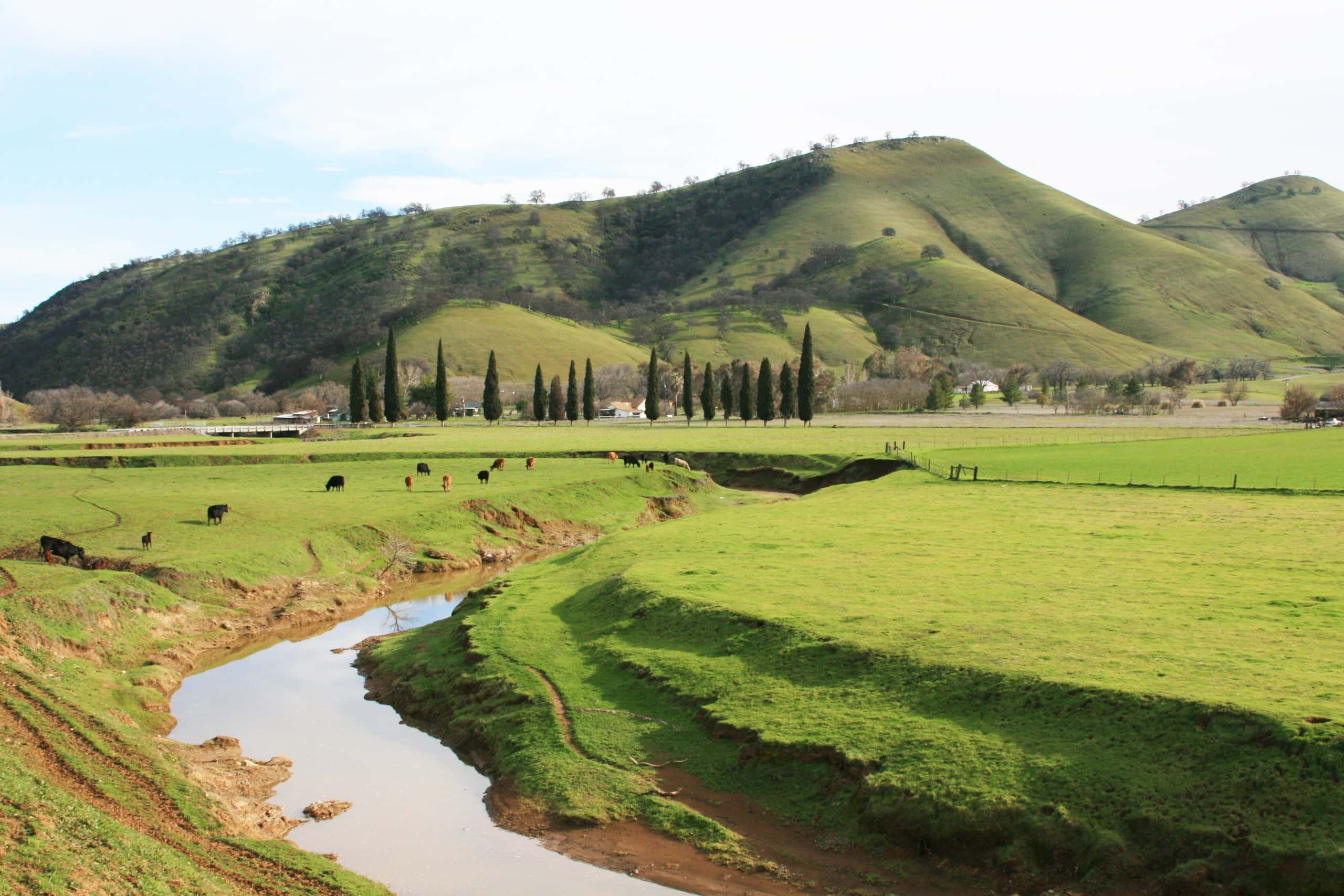
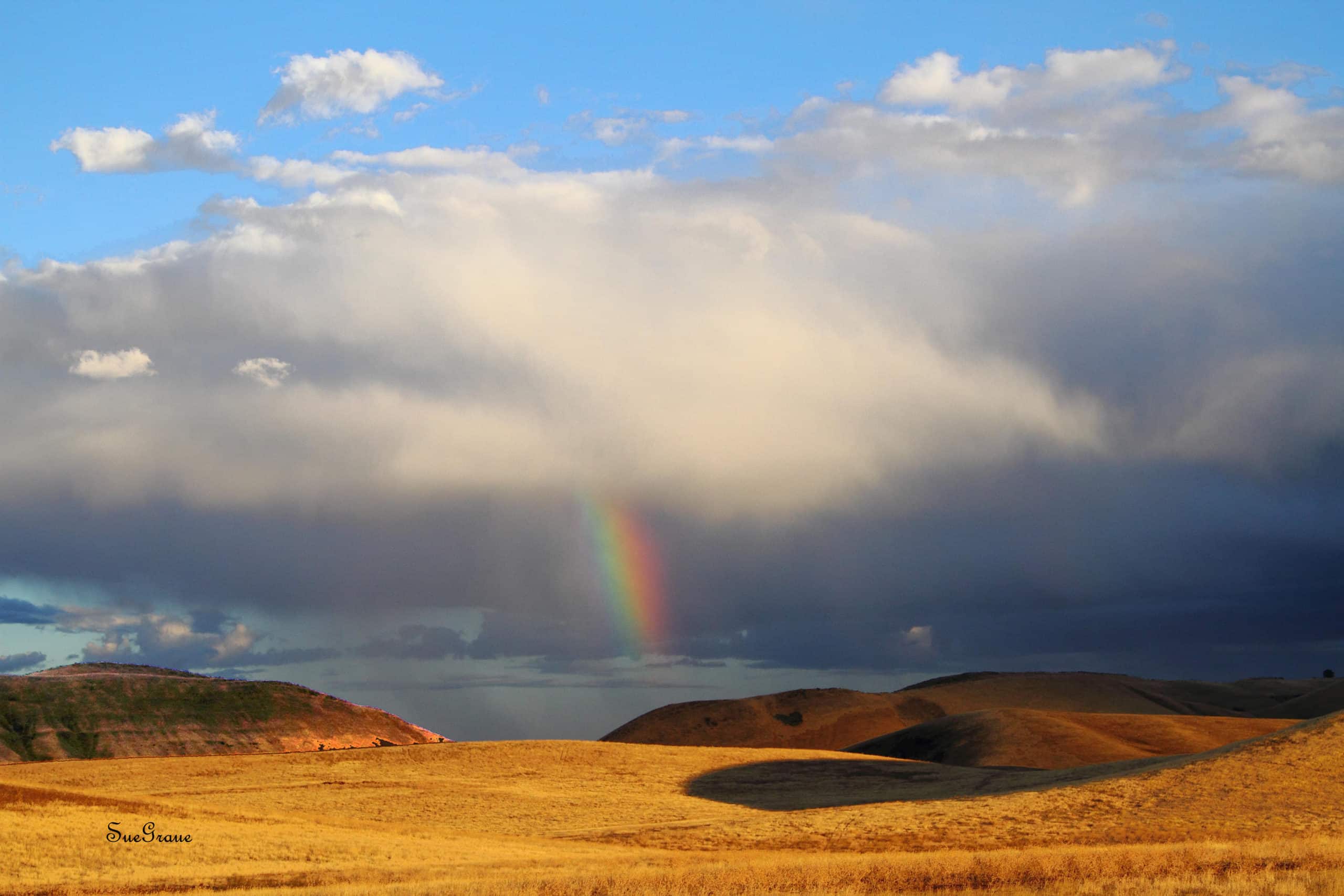
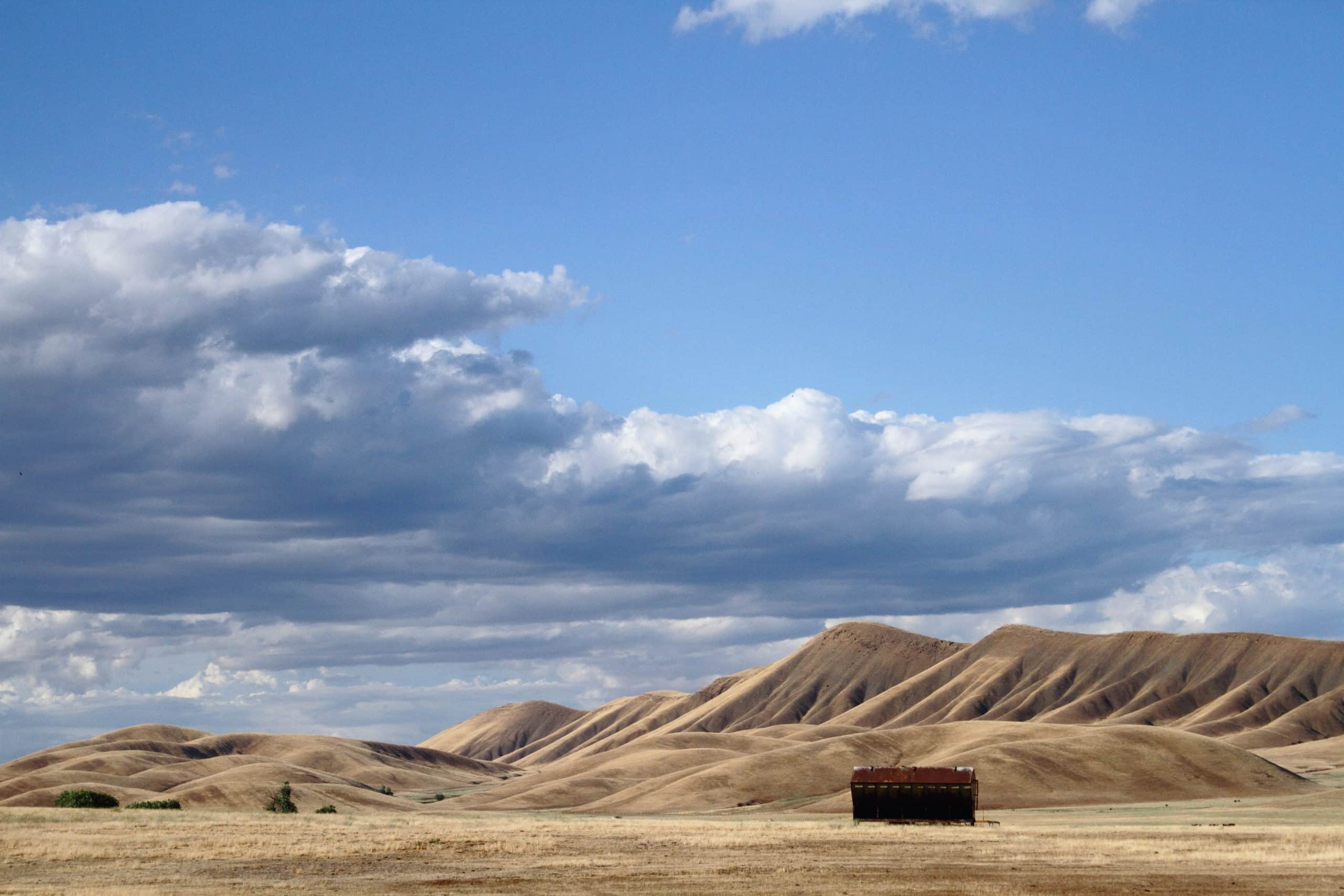
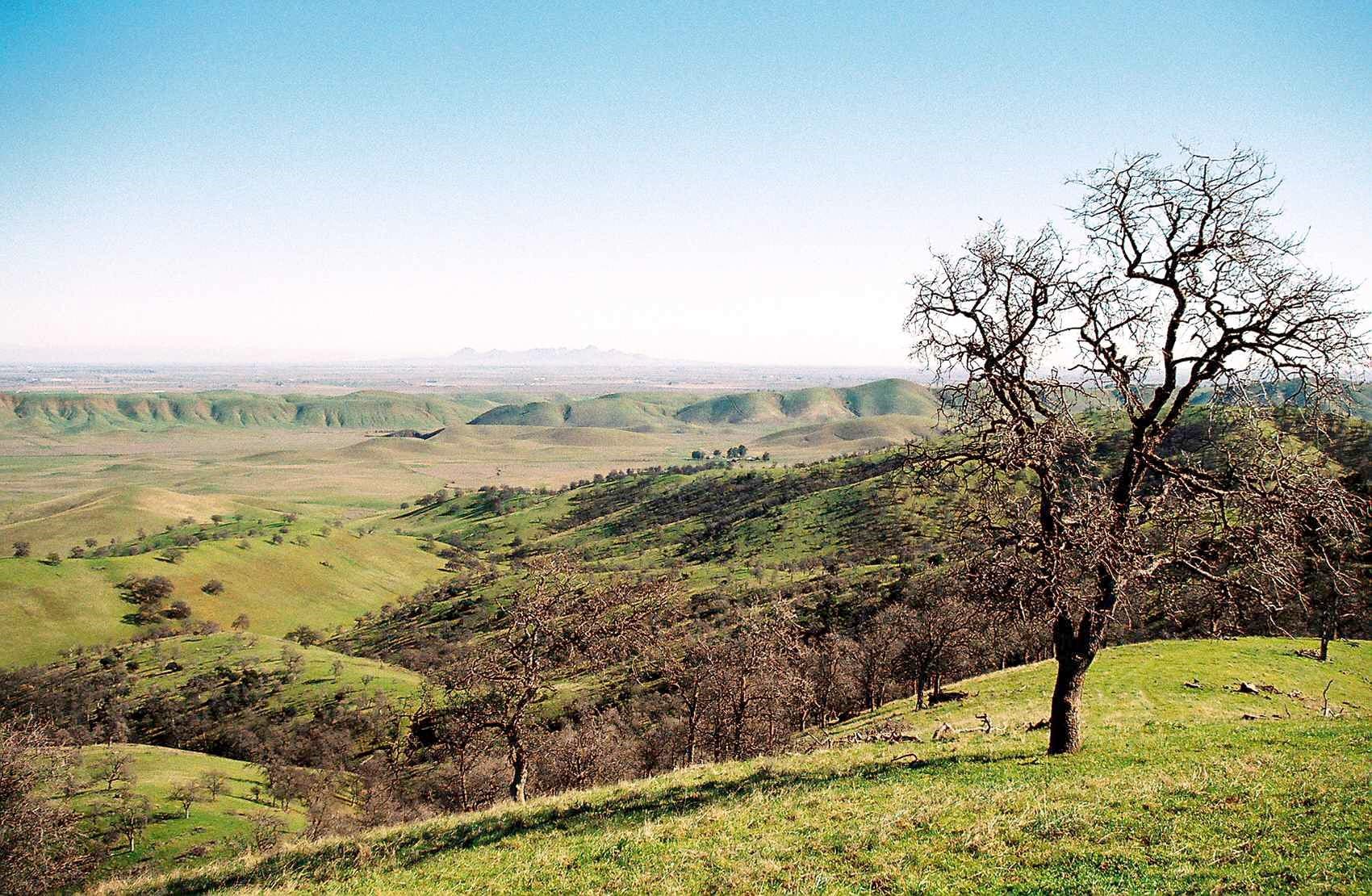
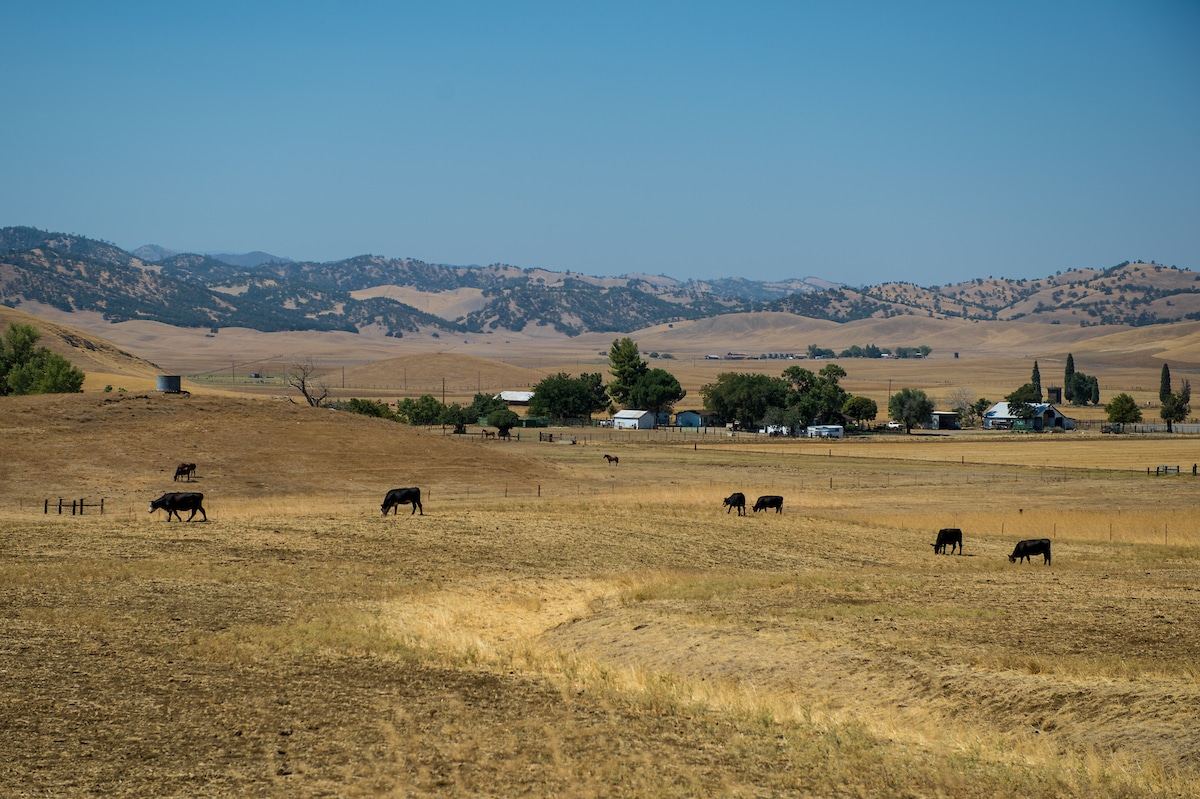
The project would consist of a total of nine dams, inundating the picturesque Antelope Valley. It would also destroy Tribal ancestral villages, burial sites, and ceremonial resources, as well as homes, cemeteries, thousands of acres of farmland, and more than 13,000 acres of oak woodland habitat. Pumping water from the Sacramento River would harm migrating native fishes, other wildlife, and river and estuary habitat downstream.
Promoted as a climate solution and drought safeguard, Sites is in fact a project to export water primarily to agribusinesses and developers in the desert and coastal Southern California—only 19% is earmarked for local use. The project has faced fierce and united opposition Tribes, environmental groups and Delta interests.
Small Bang, Big Bucks
Sites is a bad deal for taxpayers and ratepayers. Despite its enormous price tag—now estimated at $6.8 billion—the project would add less than 1% to the state’s overall developed water supply. (This is based on the project proponent’s own calculations).
Water from the project could cost over $1,600–$1,900 per acre-foot, making it unaffordable for most agricultural uses and driving up costs for urban customers. To put this into perspective, on average across the state, California cities pay about $722, and farms pay about $36 per acre-foot.
Even as costs balloon, the federal government’s participation remains uncertain, and the project’s touted “public benefits” are not backed by science, as we explain below. Building multiple mega-dams would also divert billions of dollars from cheaper, more reliable solutions like water recycling, groundwater recharge, and efficiency improvements—strategies that actually build resilience in a warming, drying California.
An Environmentally Destructive Climate Risk
The Sites Reservoir project would divert water from the Sacramento River during critical periods when salmon, smelt, and sturgeon need those flows to survive. Despite claims that it will just take flood waters, rivers need water to accomplish biological functions. The project would raise river temperatures, worsen downstream water quality, and increase mercury contamination throughout the watershed. Its shallow design makes it a hotbed for greenhouse gas emissions—equal to 80,000 cars annually—and a breeding ground for harmful algal blooms.
The project proponents refused to do wildlife surveys to fully evaluate the potential impacts to native species, but eagle nests were recently discovered at the reservoir location. Sites would actually worsen the very climate and environmental crises it claims to solve.
Making the Case Against Sites Reservoir
Friends of the River has been leading the charge to stop the Sites Reservoir project and defend the Sacramento River and Bay-Delta ecosystem, working with a broad coalition of Tribal nations and partner organizations. Specifically, FOR:
- Filed a formal protest in 2023 against the project proponents’ application for a water right
- Challenged the Environmental Impact Report in court
- Submitted expert testimony in the 2024-2025 water rights hearings, exposing inflated claims and half-truths perpetuated by the project proponents
We’re also educating the public and decision-makers about better alternatives—investments in conservation, local water supplies, and ecosystem restoration that protect rivers, communities, and California’s future.