Healthy Rivers = Clean Water
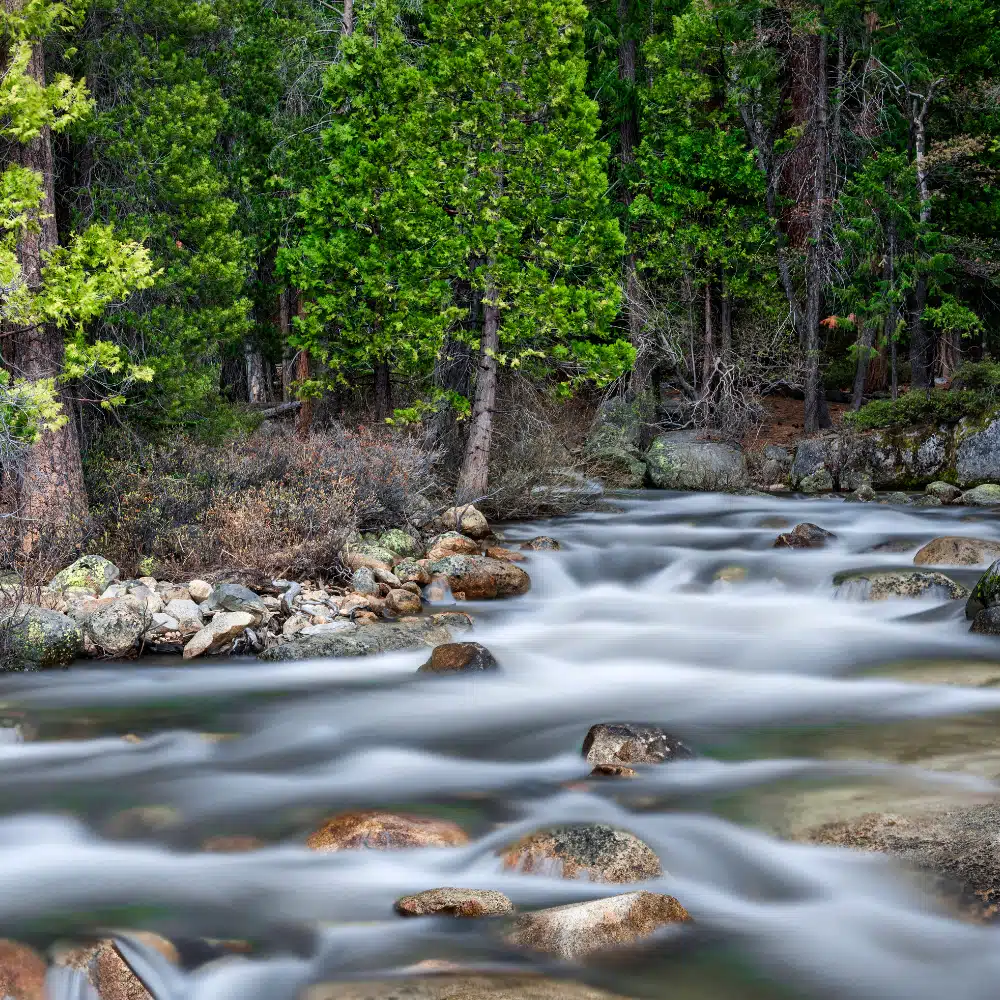
Clean drinking water is a human right—and it doesn’t come from treatment plants alone. In California, most of it begins in our rivers. From snowmelt in the higher elevations of the state’s mountain ranges to your local creeks, ponds and wetlands, rivers carry the water that fills our taps and sustains our lives. The state of our drinking water supply depends on healthy, flowing rivers that flush pollution, nourish ecosystems, and keep our communities safe. When rivers run low, are polluted by runoff, or degraded by dams and overuse, the foundation of our water supply is at risk. Protecting rivers is equivalent to protecting our drinking water.
Even in California, not everyone has access to clean water. Here are some of the threats to our clean water:
- Harmful algal blooms (HABs) - outbreaks of algae that produce toxins can make people sick and kill pets and other animals. These blooms occur in warm, stagnant water, with little flow. HABs also pollute the air if aerosolized.
- Saltwater intrusion – This is a major problem in many areas of California. For example, when too much water is pumped out of the Bay-Delta, it can actually cause rivers to flow backward, drawing salty Bay water further inland. This intrusion of salt water degrades freshwater quality and can contaminate key drinking water intakes. In coastal areas in the South Coast region, over pumping groundwater can actually lead to contamination of wells from subsurface seawater infiltration.
- Agricultural runoff – Fertilizers, pesticides, and animal waste wash from farms into rivers and streams. This runoff carries excess nutrients that can feed HABs and invasive plants, as well as chemicals and heavy metals that threaten human and aquatic life. In some areas, irrigation can flush salts, fertilizers, and natural trace elements in the soil into rivers and aquifers, with devastating effects on fish and wildlife. Agricultural runoff is under-regulated.
- Groundwater – Single family drinking wells in California, especially in the San Joaquin Valley, have been running dry due to over-pumping by nearby agricultural landholders. Some wells are also experiencing dangerous levels of agricultural chemicals.
-
-
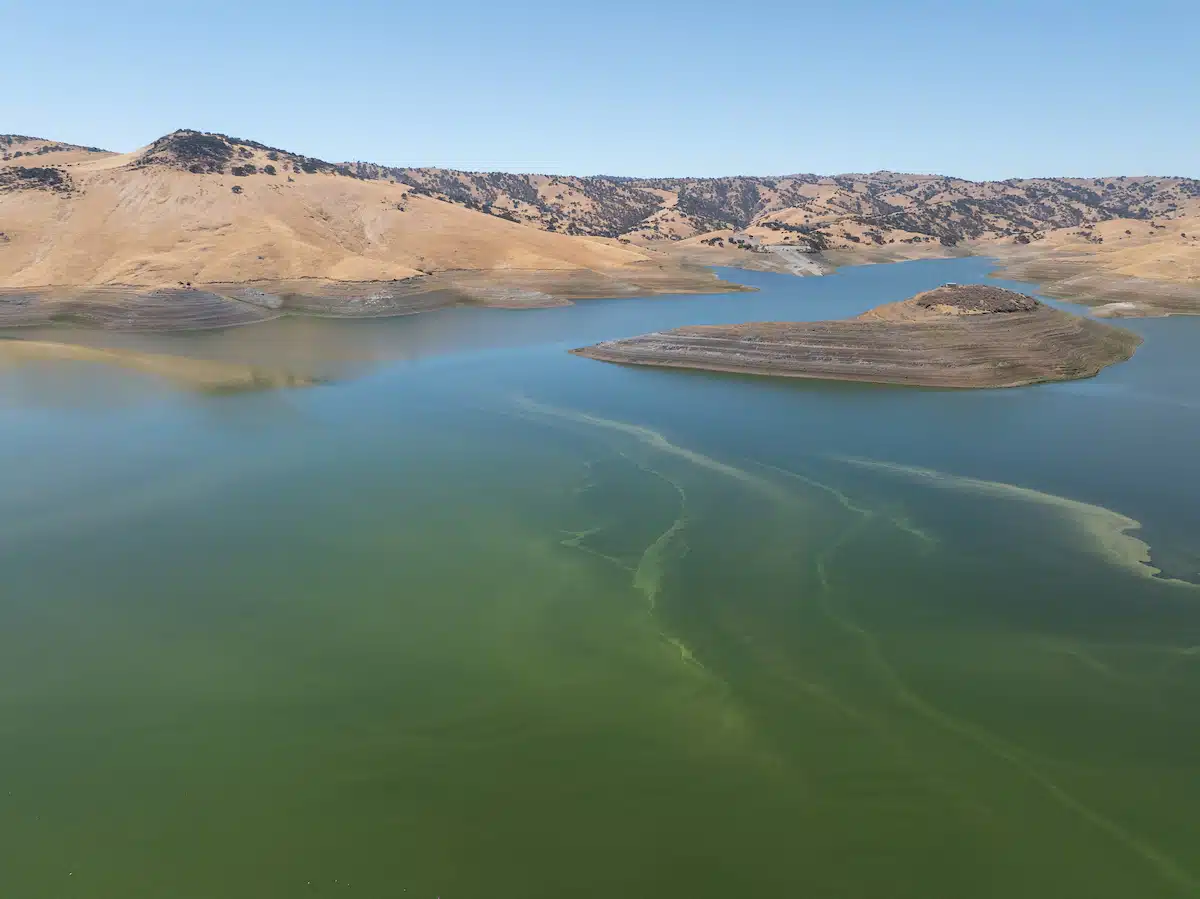
HAB outbreak at San Luis Reservoir 2014. Photo credit DWR
Flow is the Foundation of Water Quality
Protecting clean water is more than keeping toxins out of the river—it’s also keeping enough water in the river. Adequate flow is essential for diluting pollutants (like chemicals and human waste) and/or flushing them from the system, circulating oxygen, and preventing stagnation that leads to harmful algal blooms. These flows also support plants and animals (like marshland vegetation and shellfish) that take up or filter contaminants.
When too much water is removed from rivers, the services that healthy rivers provide are reduced, threatening both public health and the environment. The solution to pollution is maintaining healthy river flows while stopping pollutants from being generated in the first place.
Under the federal Clean Water Act, “water quality” is defined by the ability of a waterbody to support its beneficial uses—such as drinking, recreation, fishing, and supporting fish and wildlife.
Steps to Protecting Clean Water
Recognizing the deep connection between flow and water quality, Friends of the River advocates for policies that safeguard both. One critical priority—given current efforts, especially at the federal level, to aggressively push deregulation and withdraw or neuter environmental and water quality protections—is to work in Sacramento and Washington, D.C., to oppose rollbacks of state and federal clean water laws, because these tools help us protect California’s rivers from pollution and overuse.
Another priority is to promote regulations, permit terms, programs, and policies that revive natural flow patterns, eliminate toxic algae blooms and other pollution problems, and hold decision-makers accountable when water management choices endanger public health, ecosystems, and quality of life. When we protect rivers, we protect clean air, healthy communities, and water abundance for all Californians.