Busting Myths about Water Use in California
There are many myths about how much water is actually used in California—and what it’s used for. Here’s a short guide to the facts.
Who gets water in California?
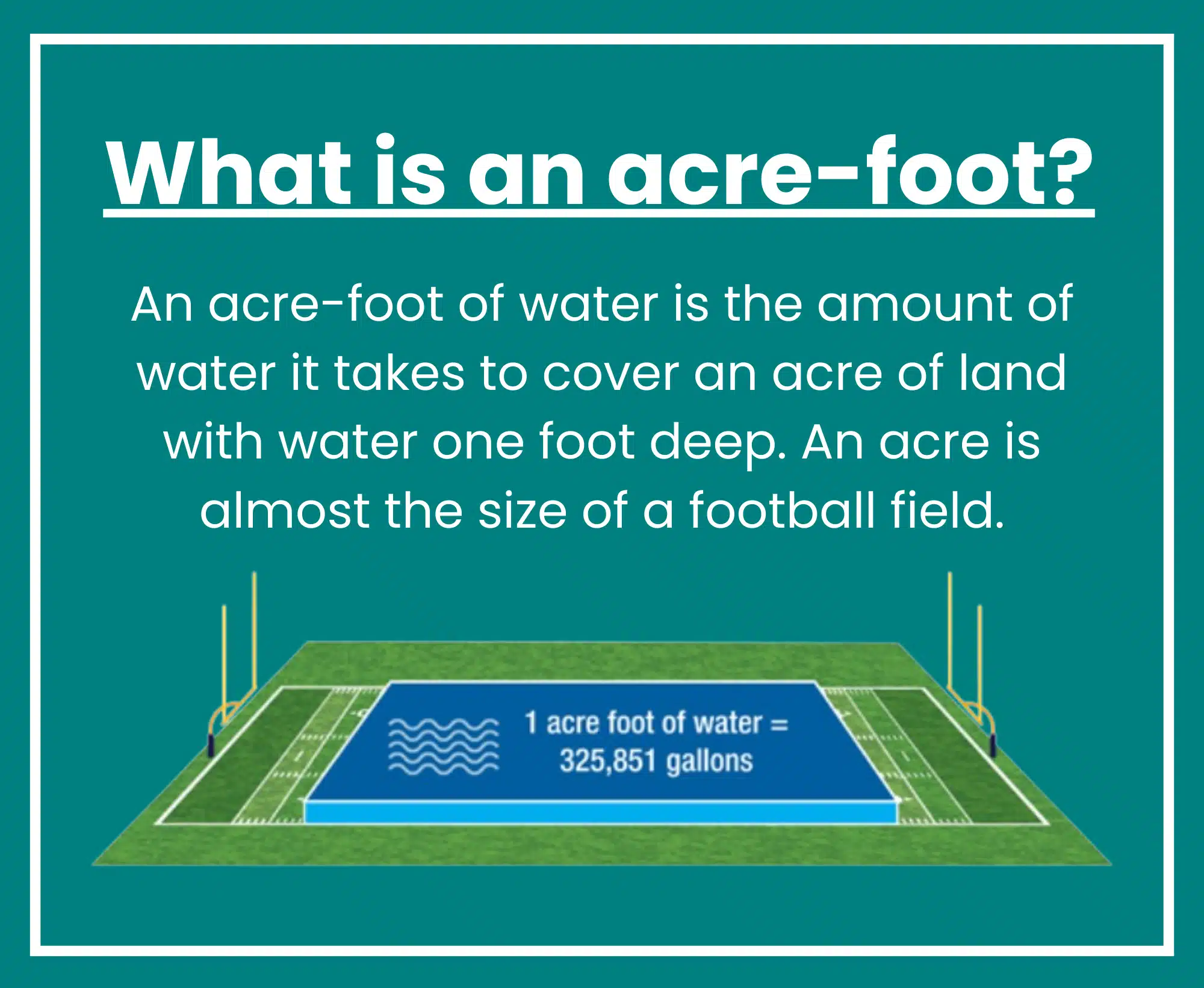
On average, Californians remove about 42 million acre-feet of water each year from our rivers, lakes, and aquifers. (That 42 million acre-feet would be enough to provide drinking water for 143 billion people, or 17 times the world’s population).
In fact, 80% of that 42 million acre-feet annual total is used for irrigated agriculture. Most of California’s agricultural water use occurs in the Tulare Lake, Sacramento River, and San Joaquin River basins in the Central Valley, and in the Colorado River basin. So much water is extracted in these regions that the natural flows in rivers are heavily depleted—or rivers even go completely dry; mining groundwater causes major land subsidence, where elevations can drop dozens of feet; and declines in water quality lead to harmful algae blooms that sicken humans and animals.
Most of California’s urban water use occurs where the majority of the population lives: the South Coast, San Francisco Bay, and Central Valley regions. Cities are becoming more efficient water users, and urban water use has actually been declining for two decades. When we think of urban water use, we think of drinking water, yet only 0.03% of California’s water supply is used for drinking. Most water taken from California’s environment for urban uses is used to water outdoor areas, and large amounts are used for commercial and industrial purposes. Only 30% of urban water supplies is used indoors for residential purposes such as toilet flushing, kitchen uses, bathing, and laundry, with a surprising 15% of indoor water lost to leaks in the system.
Over time, California’s agricultural water use has shifted from primarily annual row crops, like tomatoes and wheat, to more financially lucrative permanent plantings such as vineyards and orchards. The shift to permanent crops has dramatically changed the landscape of the San Joaquin Valley—you can drive for hours past orchard trees growing where there naturally would be grassland and scrub. Some row crops emulated these native habitats and still provided wildlife habitat while being productive farmland.
Orchards, on the other hand, have almost no habitat value. The shift from 17% of irrigation water used for permanent crops in 1972 to 77% in 2015 has made agricultural water uses less flexible, because orchards cannot be fallowed during drought. This has increased the impact of droughts on our rivers, reservoirs, and groundwater levels.
Drought Impacts
California’s mediterranean climate is prone to extremes, with alternating periods of drought and floods. This is the natural historical pattern of California’s climate. In recent years, climate change has made floods bigger, and droughts warmer and drier. Unfortunately, California’s rivers suffer the most during a drought, when natural flows disappear from rivers and streams into hungry reservoirs and thirsty diversion canals, and only very minimal amounts of water are required to remain in rivers. This situation is worsened when the State Water Resources Control Board, the State’s main water regulator, rolls back regulations at the request of the largest users of water, which make these requests after failing to plan ahead for the inevitable drought. This leaves less water flowing in rivers and the Bay-Delta estuary, and this pattern has caused a preventable decline in native and endangered species.
California’s water rights system gives priority to the first users of water, rather than the most important. This means that the most senior water rights holders may not have to cut back at all during a drought, while the most junior water rights holders might only get water in wet years. Reservoirs provide some buffer to get water users through short droughts, but many are managed to maximize deliveries and run out of water after two consecutive dry years.
In drought periods cities and their citizens are often asked to conserve more water than agricultural users. Though some urban water managers hype the threat of extreme water shortages if less water is diverted from rivers, the fact is that most urban areas have demonstrated the ability to support a thriving economy through repeated extreme droughts through careful water planning and management. In contrast, some rural areas with poor infrastructure have had wells dry up when neighboring corporate farming operations overdraft groundwater and drill deeper and deeper wells, lowering the water table beyond the reach of small farmers and even small towns.
Continued improvements in using water efficiently can help both agricultural and urban water users get through droughts. But, the “permanent drought” for rivers, created by the excessive overuse of water to farm in desert-like conditions, will not end until California’s water budget is balanced. That is, until we only spend what our limited water sources can sustain. That’s demand management. To learn more about what Friends of the River is doing to promote sustainable water management, click here.