Rivers have defined and influenced human activity since…well, since there have been humans! Rivers have dictated where and how humans live and have long been the basis for local and regional economies and transportation. The ecosystems that rivers support have directly and indirectly fed, clothed, and provided shelter for humans since time immemorial.
In many ways, they still do. The only difference is that our ability to alter, move, and deplete rivers has grown exponentially. Here in California, our cities, farmland, and industrial economies all rely directly on our rivers. These consumptive uses—that is, human activities that remove water from rivers—cannot be eliminated entirely, nor do they need to be. They are a necessary part of modern life and reasonable consumptive uses can co-exist with healthy rivers. However, when taken to the modern extreme, this consumption can deplete and degrade rivers.
A Magnet for Recreationists
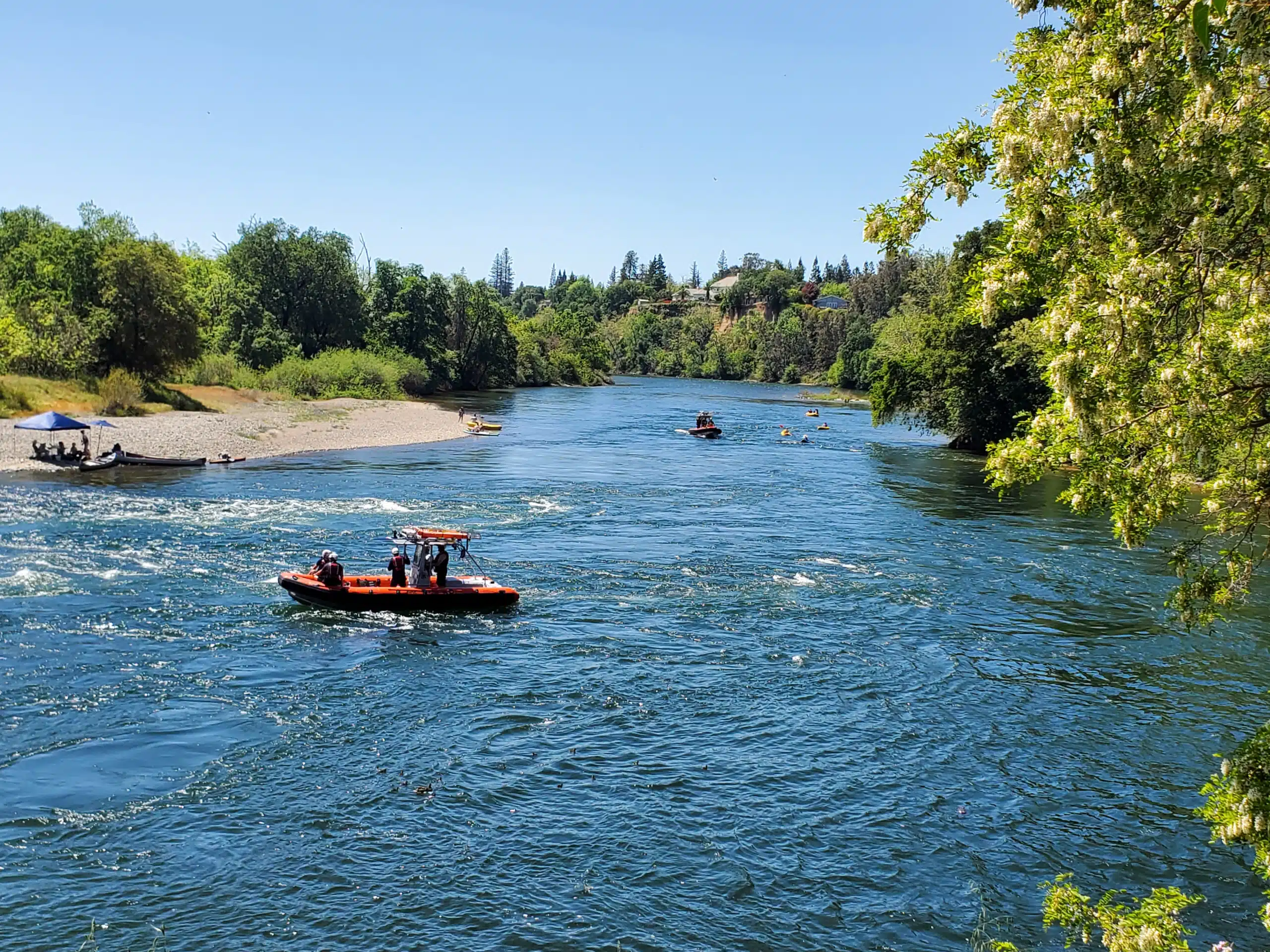
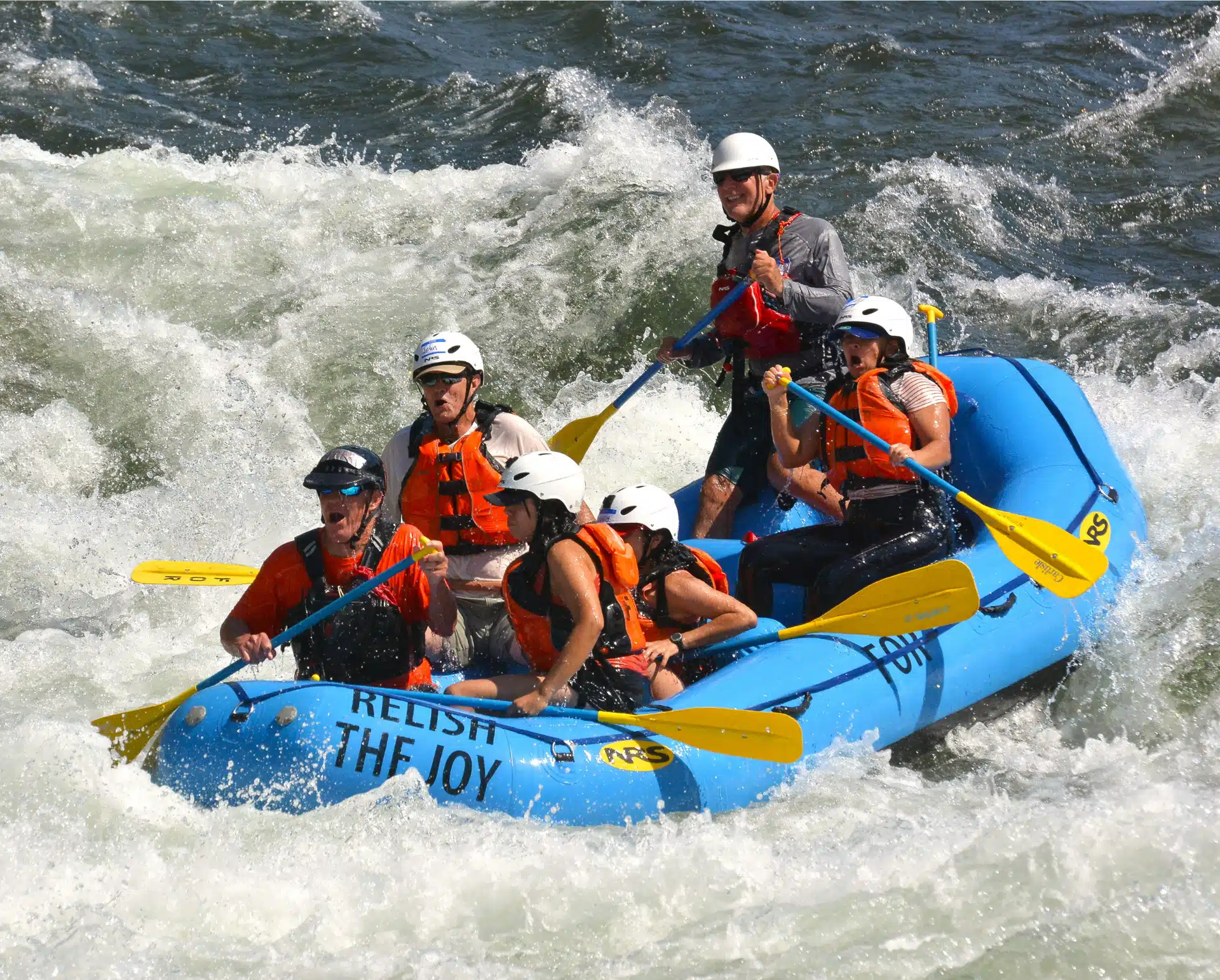
California’s rivers are the lifeblood of major river recreation economies. They are major destinations for Californians and tourists alike. Hikers, anglers, cyclists, picnic-lovers, and boaters all frequent rivers across California. Rivers such as the American, Kern, Tuolumne, and others are among the most popular or iconic whitewater rafting rivers in the Western United States, while rivers like the Lower American, Sacramento and San Joaquin offer valuable outdoor access close to large cities like Sacramento, Redding and Fresno. California’s rivers attract recreationists from around the world and provide opportunities for Californians to get outside, all while contributing to an eco-tourism industry that helps support local communities.
California rivers also sustain significant commercial recreation industries. The commercial rafting industry, for example, is a primary economic engine in the rural counties where these rivers flow and provides an economic boost in otherwise underdeveloped communities. For example, the South Fork American River alone supports upwards of 20 commercial rafting companies and is among the primary economic drivers in El Dorado County.
Interested in exploring California’s whitewater? Click here to volunteer with FOR’s River Program.
Feeding the Body
California’s Central Valley rivers long supported substantial populations of commercially valuable fish species. The backbone of the commercial fishery in California has been the fall run of the Chinook salmon, which historically supported fishing communities up and down the Pacific coast, even into Oregon. These fisheries can continue to feed Californians and people around the world—if cold water, access to spawning (breeding) grounds, and fish passage at dams are provided to ensure viable populations in the future. Unfortunately, the salmon fishery has been closed repeatedly in recent years because these conditions have not been provided.
California is also home to a strong sport fishing community. Rivers across the state are among the most sought-after destinations for anglers. Rivers like the McCloud and Yuba offer opportunities for trout while the larger Sacramento and Klamath offer salmon and steelhead runs. Fishing brings recreationists to the high Sierra backcountry, the Central Valley, and the coastal rivers alike.
Subsistence fishing is still an important food source for many Californians, including some Indigenous Tribes. These communities rely on intact river ecosystems to feed and sustain their families as well as to continue their traditional ways of life.
Feeding the Soul
Indigenous nations were the first to make their lives along California’s rivers. Rivers influenced where and how these communities lived and brought sustenance in the form of salmon and other species that lived in and along the water. In providing Indigenous communities with the material to sustain themselves, rivers are acknowledged in the religions and belief systems of Indigenous people across present-day California.
Rivers remain a focal point of many Indigenous cultures, just as rivers are significant cultural centers for many Californians. Cultural ceremony, subsistence fishing, and access to medicinal and culturally significant plants are just a few of the ways that Indigenous people still rely on California’s rivers.