You have to look closely to find its traces today, but Pa’ashi (pronounced Pa-AH-shee), meaning “big water” in the Yokuts language—also known as Tulare Lake in the Southern San Joaquin Valley—was once the largest body of fresh water west of the Mississippi.
Each spring the major rivers in the region – the Kings, Kaweah, White, and Tule – would flood into the Tulare Lake basin, causing Pa'ashi to return, and the vast marshlands that surrounded it, to expand in size to as much as 800 square miles (more than four times the area of present-day Lake Tahoe).
Pa'ashi’s rich ecosystem supported native fisheries like Sacramento perch and the now extinct thicktail chub (once an important indigenous fisheries species and among the most abundant in California) and provided critical habitat for Tule elk, migrating waterfowl, and myriad other species. The lake was also the cultural and spiritual heart of local Yokuts tribes, who still live in the lake basin and have long relied on it to sustain life and used as a resource by the Tribes in the Sierras and Central Coast.
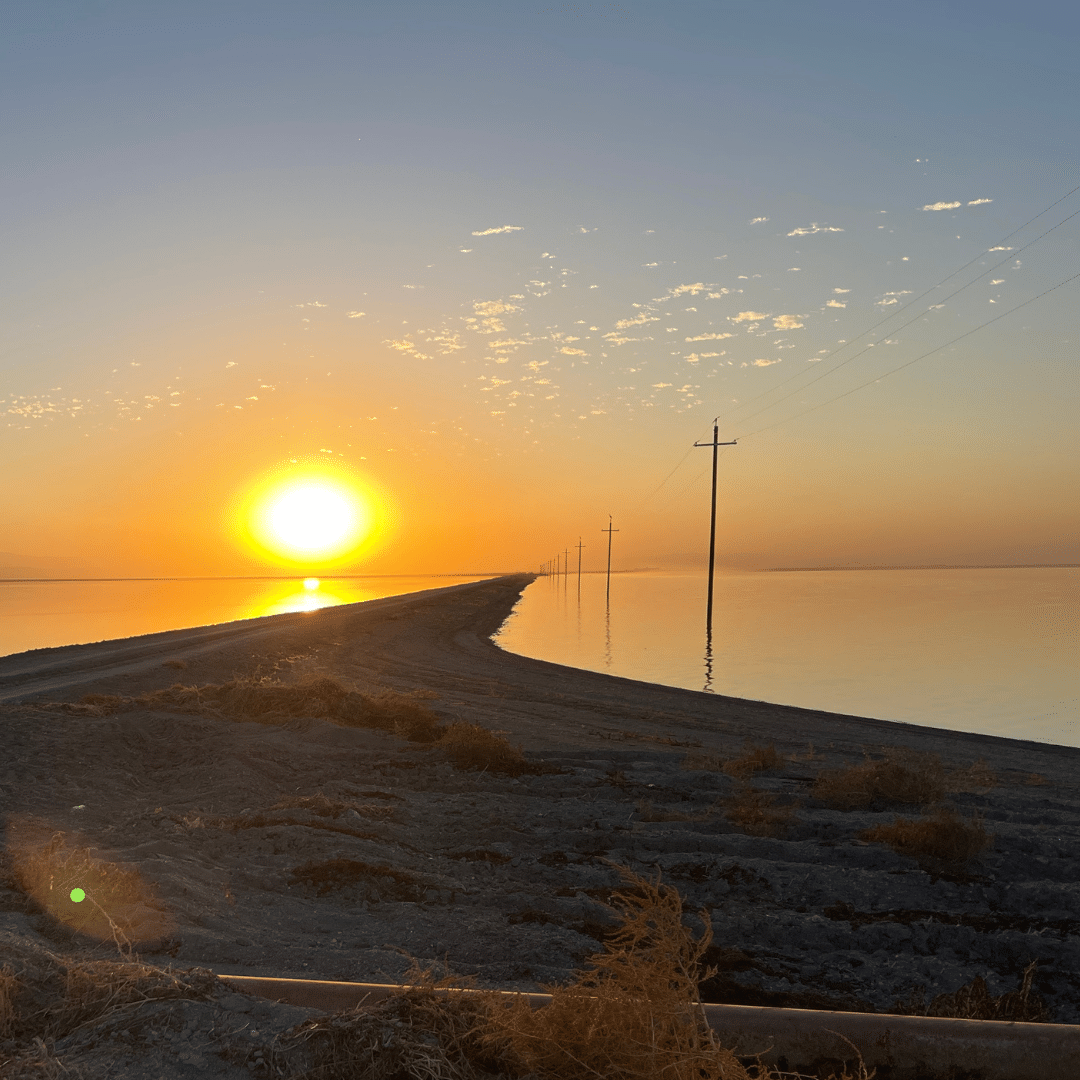
All this disappeared as the rivers that fed the lake were dammed and diverted and the lakebed itself converted for irrigated agriculture. Over the course of the nineteenth and early twentieth centuries the lake was drained and slowly dried up. What was once a vast marshland was reduced to dry land. Today the land in the lakebed is owned and planted by some of the largest and wealthiest landowners in California. In most years, there is no evidence of Pa'ashi (Tulare Lake) at all. However, in highwater years such as the winter of 2022-2023, the lake is re-born because the flood waters are so mighty that human engineering can’t contain them.
Click HERE to read more about the most recent return of Tulare Lake in 2022-2023