Bringing Flows and Fish Back to the San Joaquin River
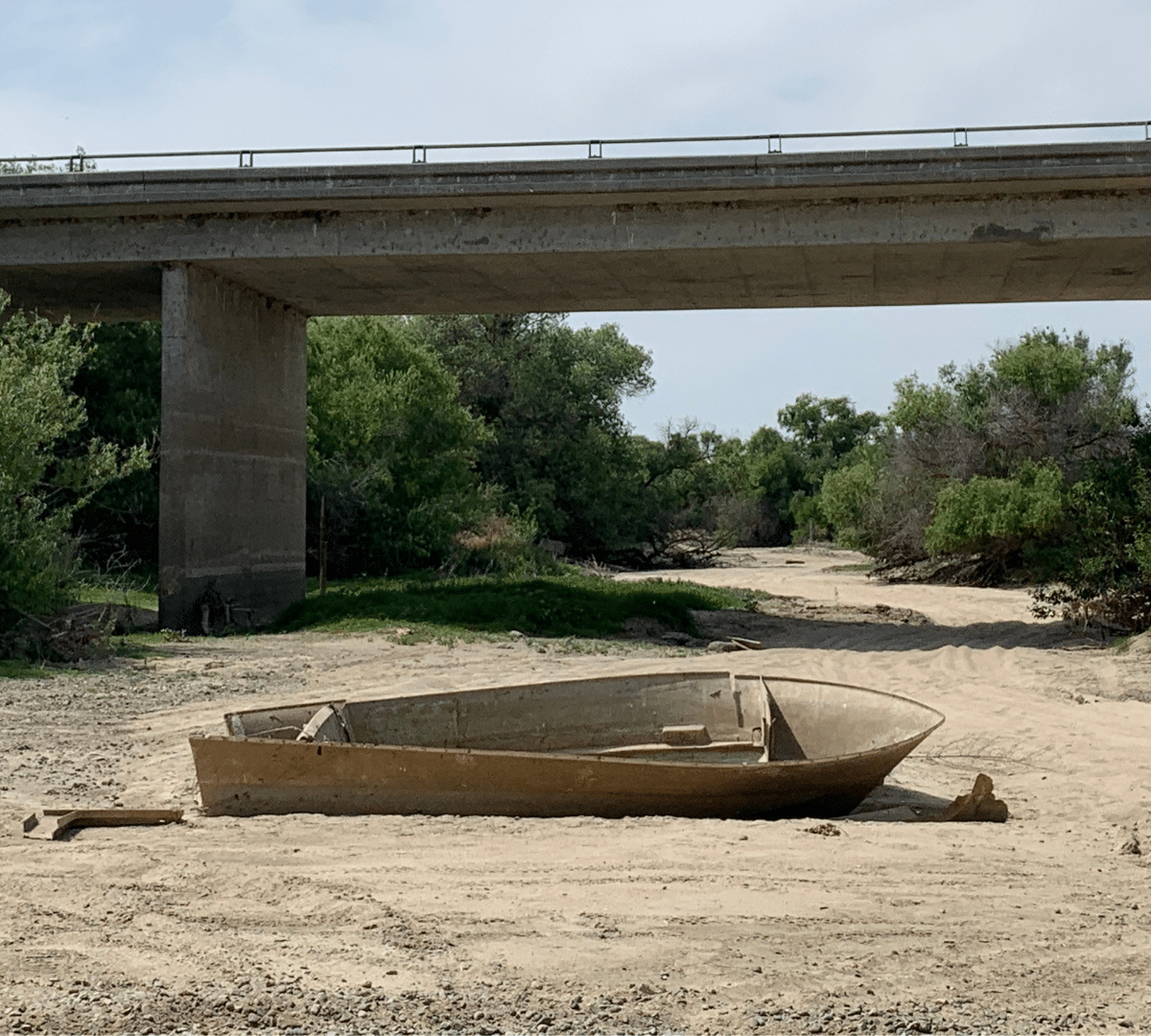
The San Joaquin is California’s second-longest river and once supported the southernmost population of spring-run Chinook salmon, but for seven decades it ran dry below Friant Dam down to the confluence with the Merced, and very little water reached the Bay-Delta estuary except in flood years. Today, Friends of the River is leading efforts to restore flows and support the remarkable return of salmon to this river.
A River Runs Dry
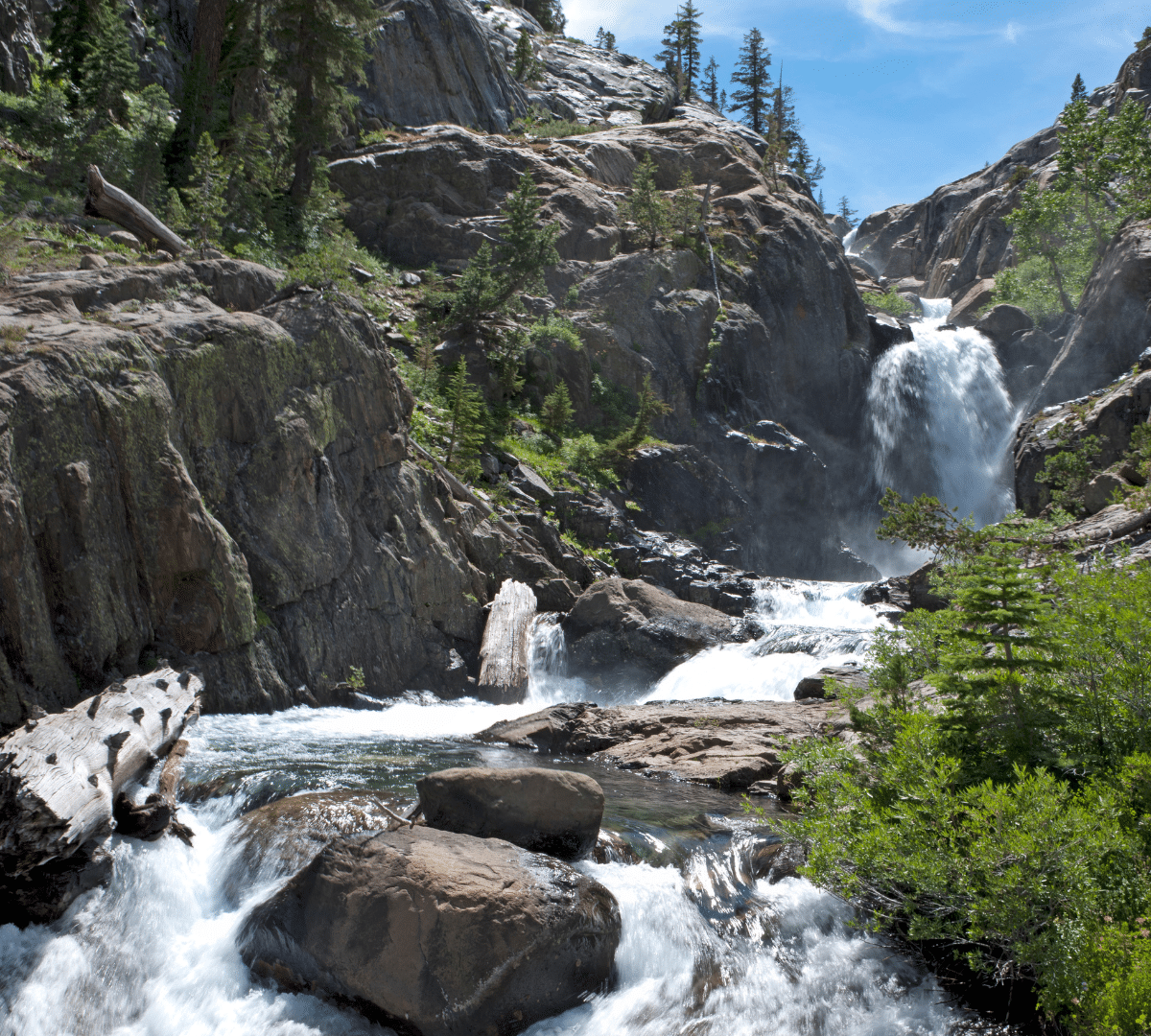
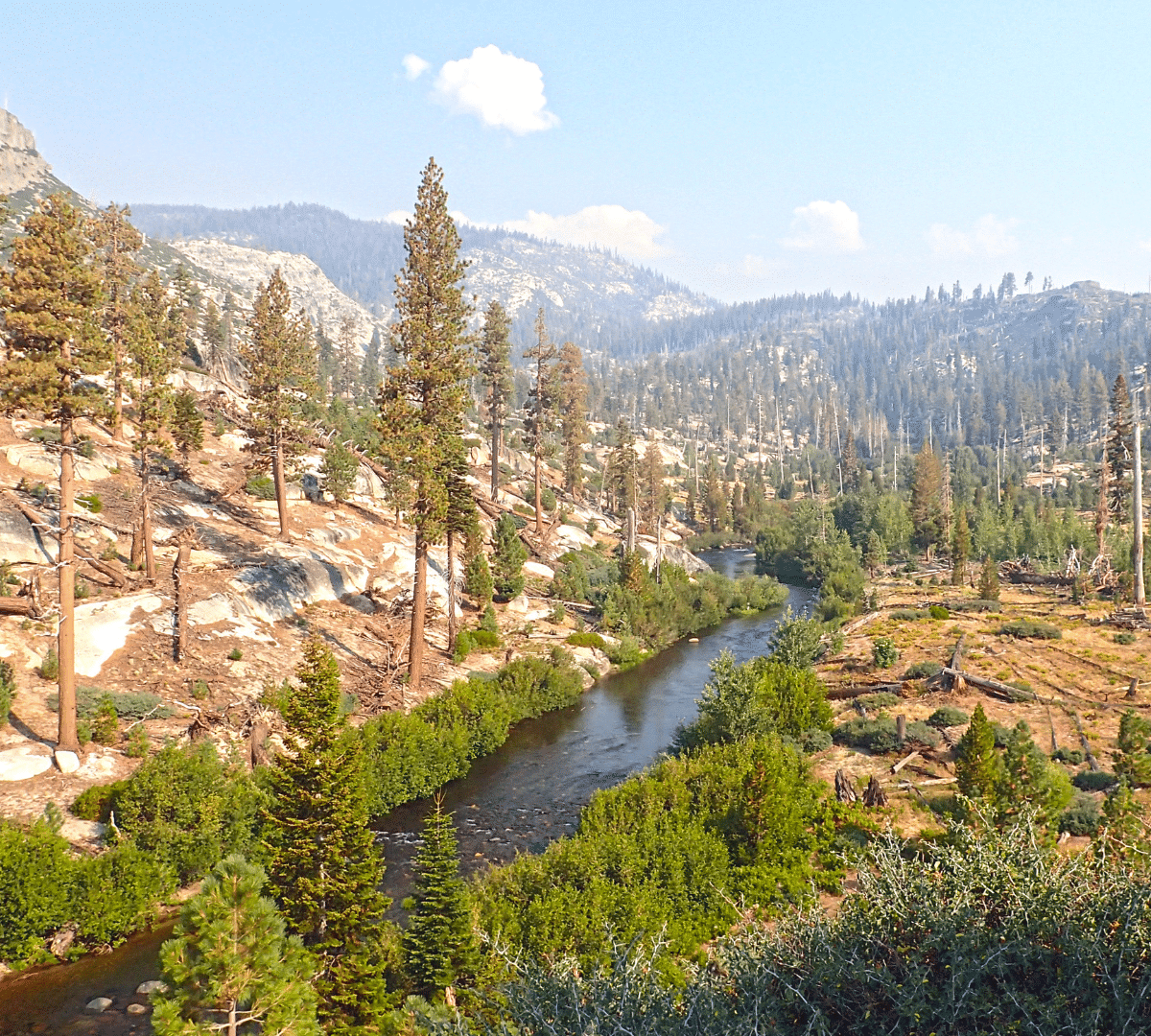
Stretching over 350 miles from its headwaters in the southern Sierra Nevada mountain range to the southern Delta near Vernalis, the San Joaquin River once supported the state’s largest spring Chinook salmon run. But in the 1940s, Friant Dam was built by the U.S. Bureau of Reclamation. The dam:
- Dewatered 60 miles of the river and removed nearly 95% of its flow
- Created major water quality problems in the lower river and Delta
- Eliminated groundwater recharge
- Destroyed the spring-run Chinook population and the river’s ecology
We Fight to Restore the River
In 1988, a coalition of environmental and fishing organizations, including FOR, sued the U.S. Bureau of Reclamation for (1) failing to follow environmental review laws for water contract renewals and (2) violating State Fish and Game Code Section 5937, which requires dam operators to maintain healthy fisheries below dams.
In 2006, a settlement agreement was reached, and Congress authorized its implementation in 2009. The key goals of the settlement include:
- Restoring about 20% of the river’s flow
- Supporting up to 30,000 spring- and fall-run Chinook salmon.
- Sharing the costs among water users, the federal government, and the State of California.
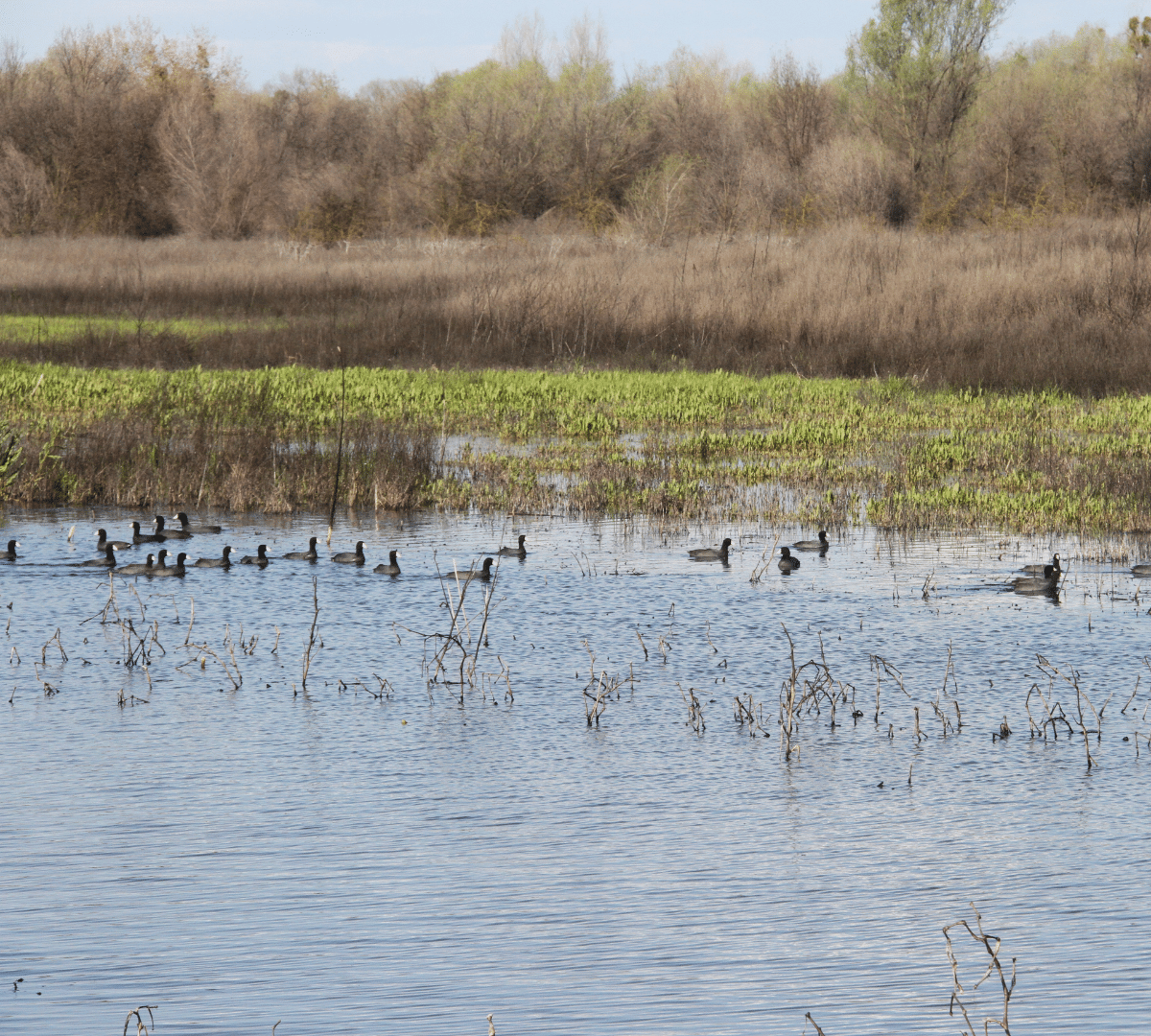
Salmon Are Returning!
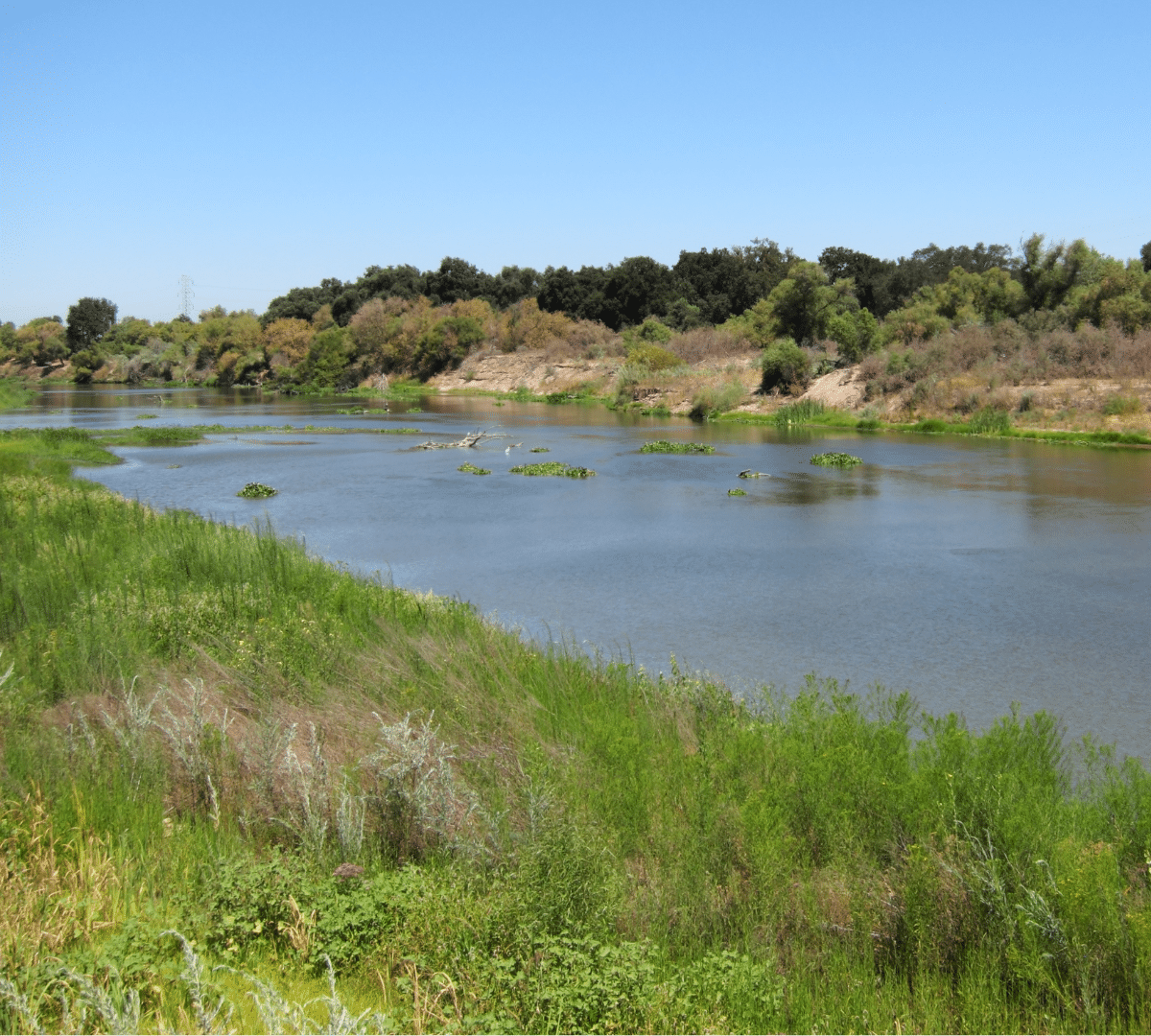
Today, salmon are returning to the San Joaquin! The first flow releases began in 2009, and spring-run Chinook salmon were reintroduced starting in 2012. Spring-run adults return from the ocean back to rivers in the springtime, and then “hold” for the summer in the cold water released from Friant Dam, spawning in the fall in nests called “redds.” [Spring-run redds have been detected below Friant Dam every year 2016-2025, with over 500 adults estimated to have returned in 2019.]
Challenges Remain to Restoring the River
Despite the progress since 2006, major impediments stand in the way of fully restoring the river:
- Delays in implementing projects to improve fish passage and rehabilitate the degraded river channel
- In drier years, stretches of the river can still run dry for shorter periods
- More federal funding is needed to implement these projects, because much of it was spent on a misguided attempt to avoid any chance of third party impacts to landowners who choose to plant seepage-sensitive crops next to the river
- Although the state of California has recently funding operations of the Salmon Conservation and Research Facility (SCARF) and a small passage project in the 2027 budget, significant additional needs to be committee to meet the funding it committed to for implementing the restoration effort, delaying urgently-needed improvements in fish passage and channel capacity
Friends of the River: Leading Restoration
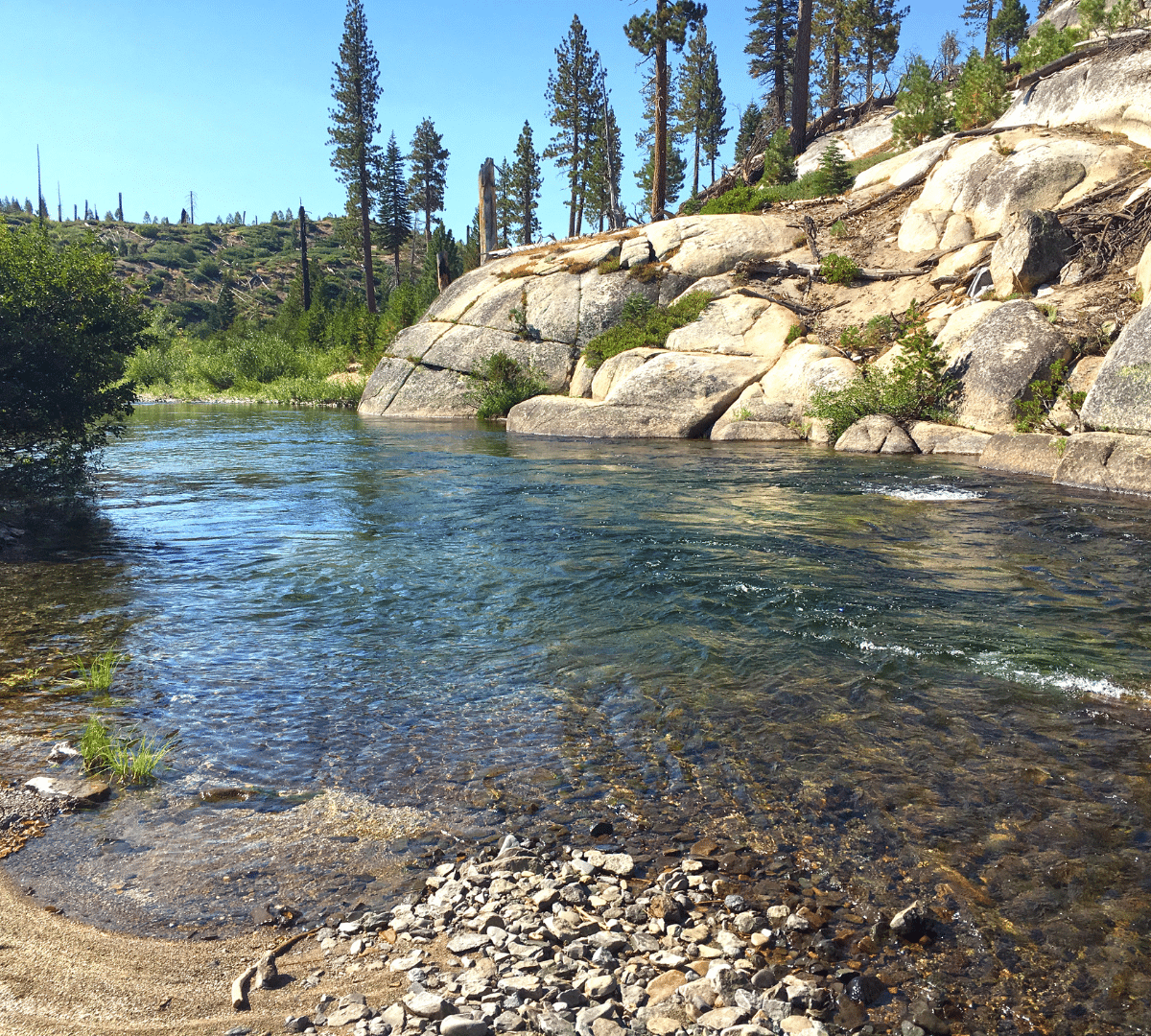
Friends of the River is actively working to ensure the settlement is successful and bring life back to the San Joaquin River:
- Oversight: Serving as lead organization representing the coalition of plaintiffs in monitoring implementation of the settlement
- Technical guidance: Providing expert advice on management of flow releases and fish passage projects
- Community support: Building a coalition of San Joaquin River Tribes, environmental justice advocates, conservationists, and recreationists, connecting local communities to their rivers
- Equity focus: Helping San Joaquin Valley residents gain access to parks, river recreation, and restored habitats, which are less available here than in other regions