The Merced River Ran Dry… and Nobody Knew About It
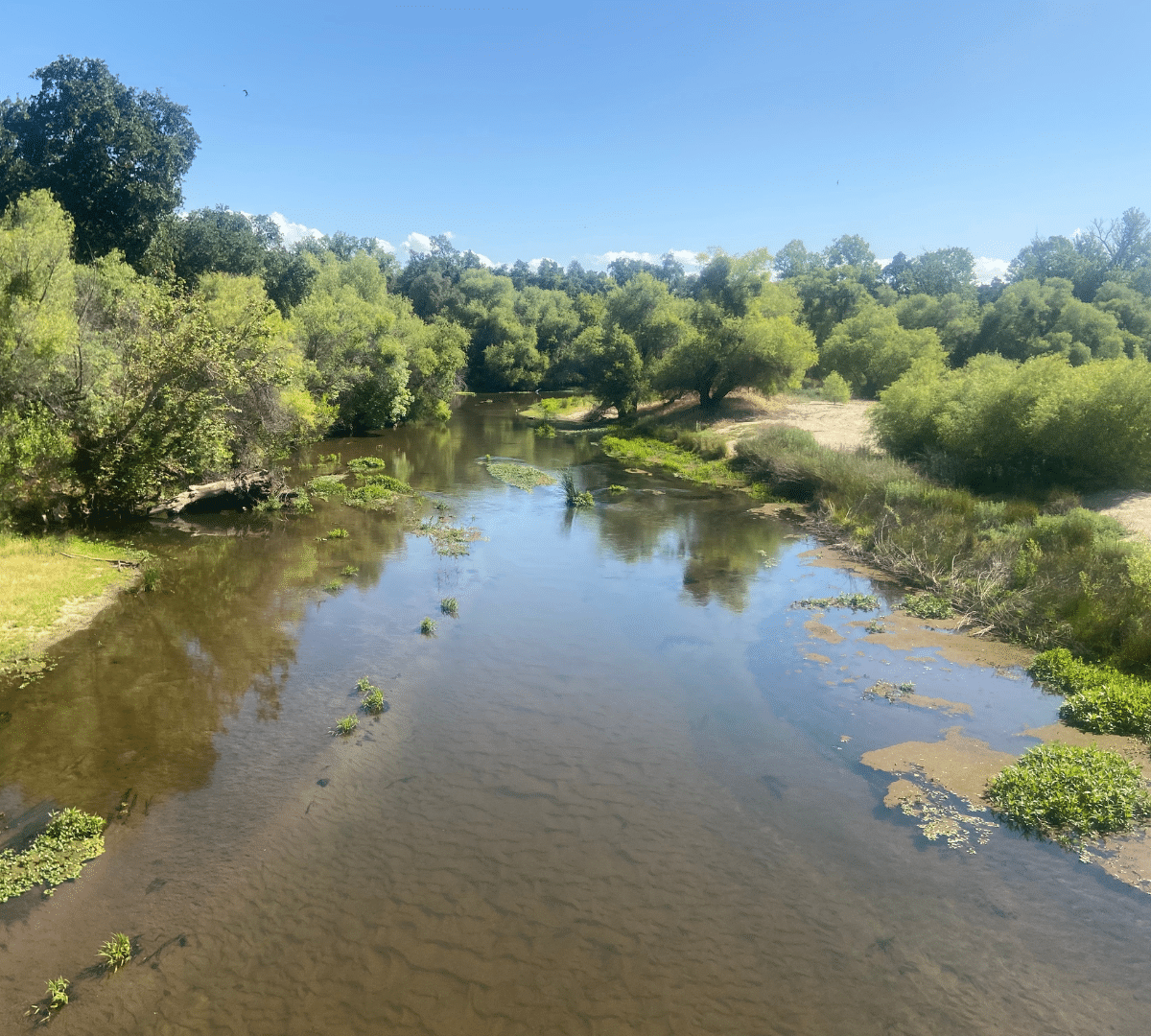
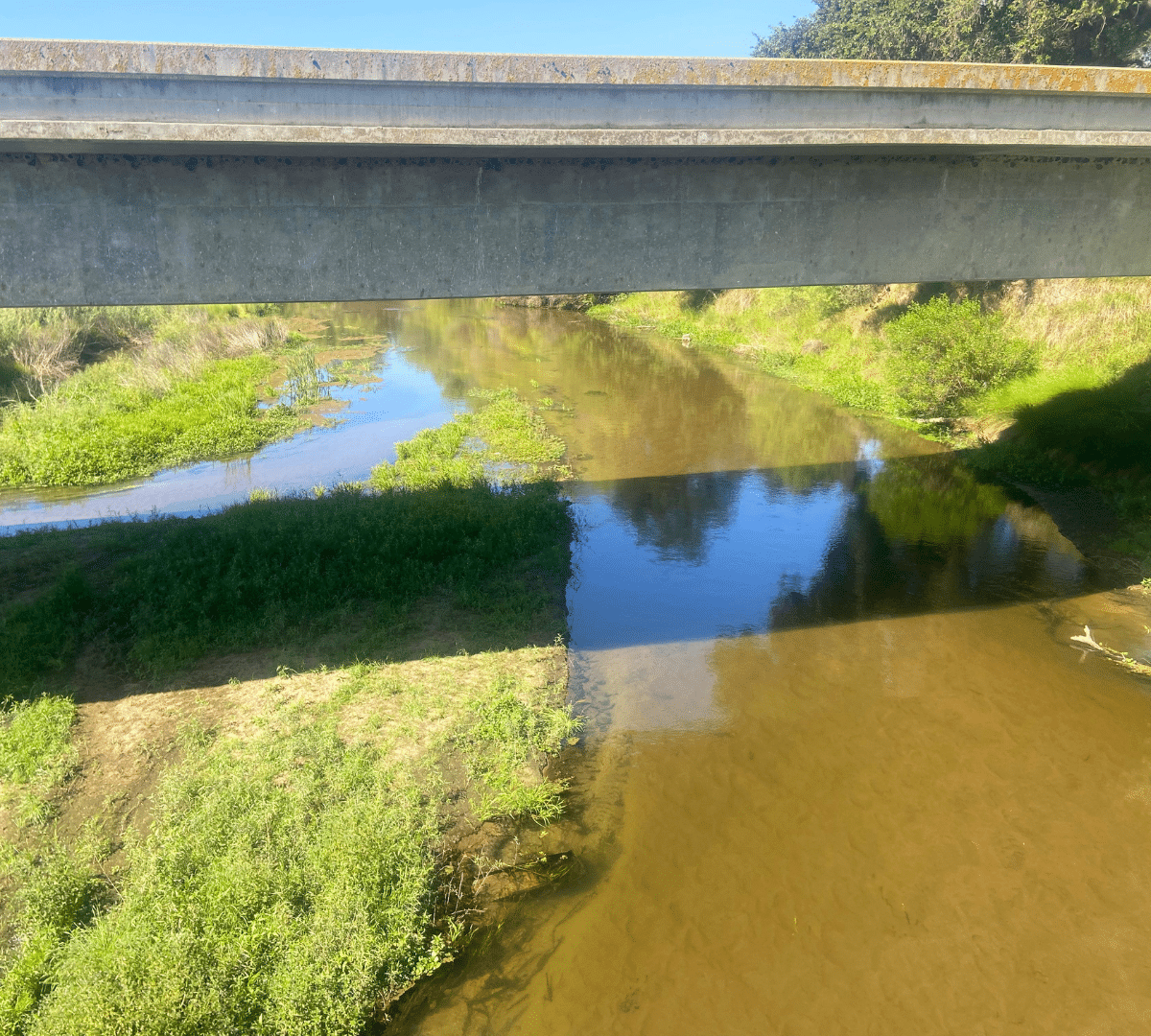
The Merced River is California’s 14th largest river, flowing from Yosemite National Park, into the San Joaquin River, and which flows out through San Francisco Bay. But in the summer of 2022, a four-mile stretch of the lower Merced River ran completely dry for months—a shocking symptom of a broken water management system.
Despite the river hitting zero flow in this stretch multiple times over the past decade, state water regulators did not learn about the dewatering until after it had already happened. Four years later, they have still not taken enforcement actions to prevent the drying from occurring again. Indeed, after the 2022 drying event, they issued a statement that claimed that the full flow of the river was removed legally. California’s constitution and laws have provisions that were intended to prevent this, but each river apparently needs lawyers to get its water.
May 2022 - Merced River, Hatfield Bridge downstream
Sept 2022 - Merced River, Hatfield Bridge downstream
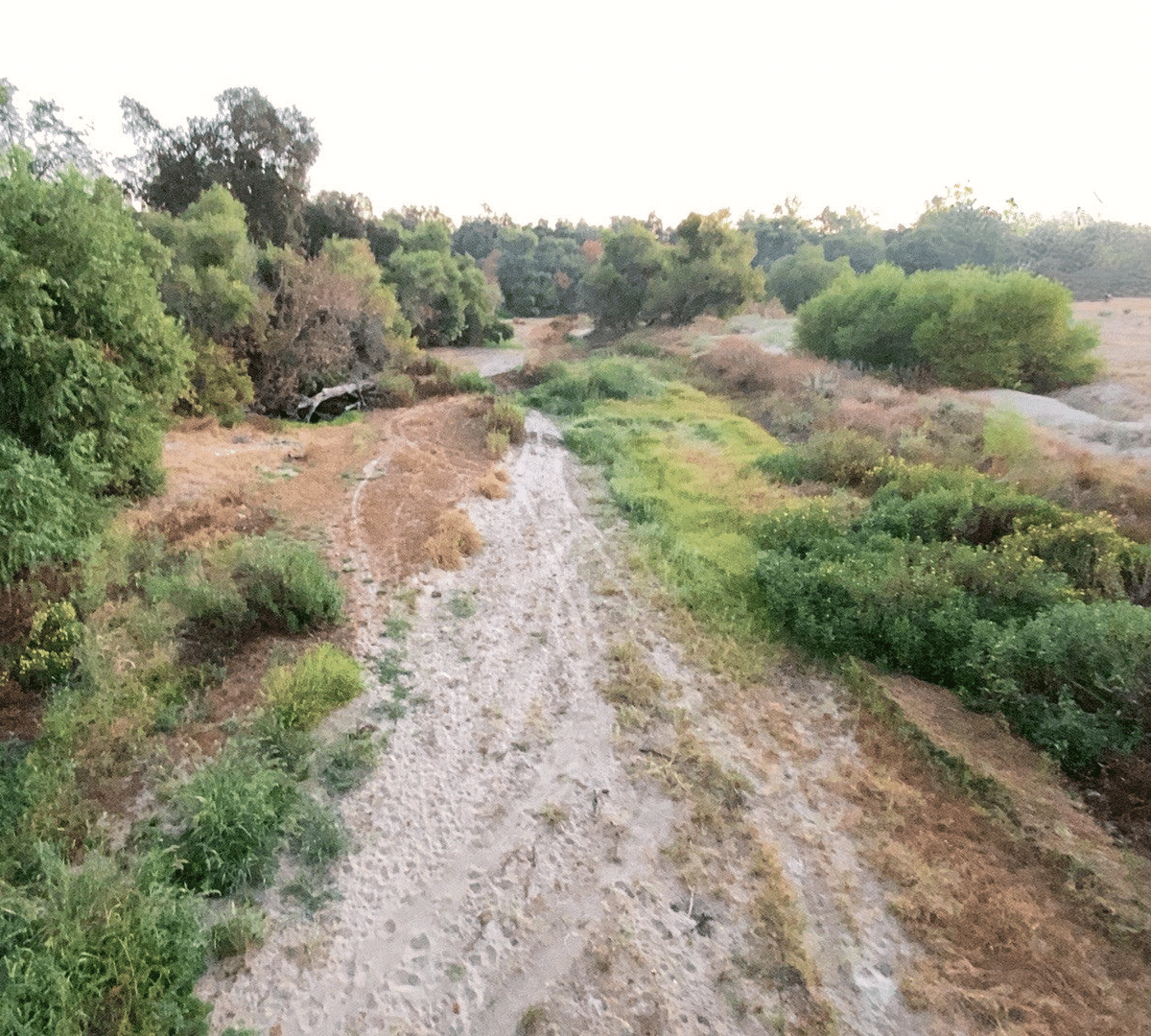
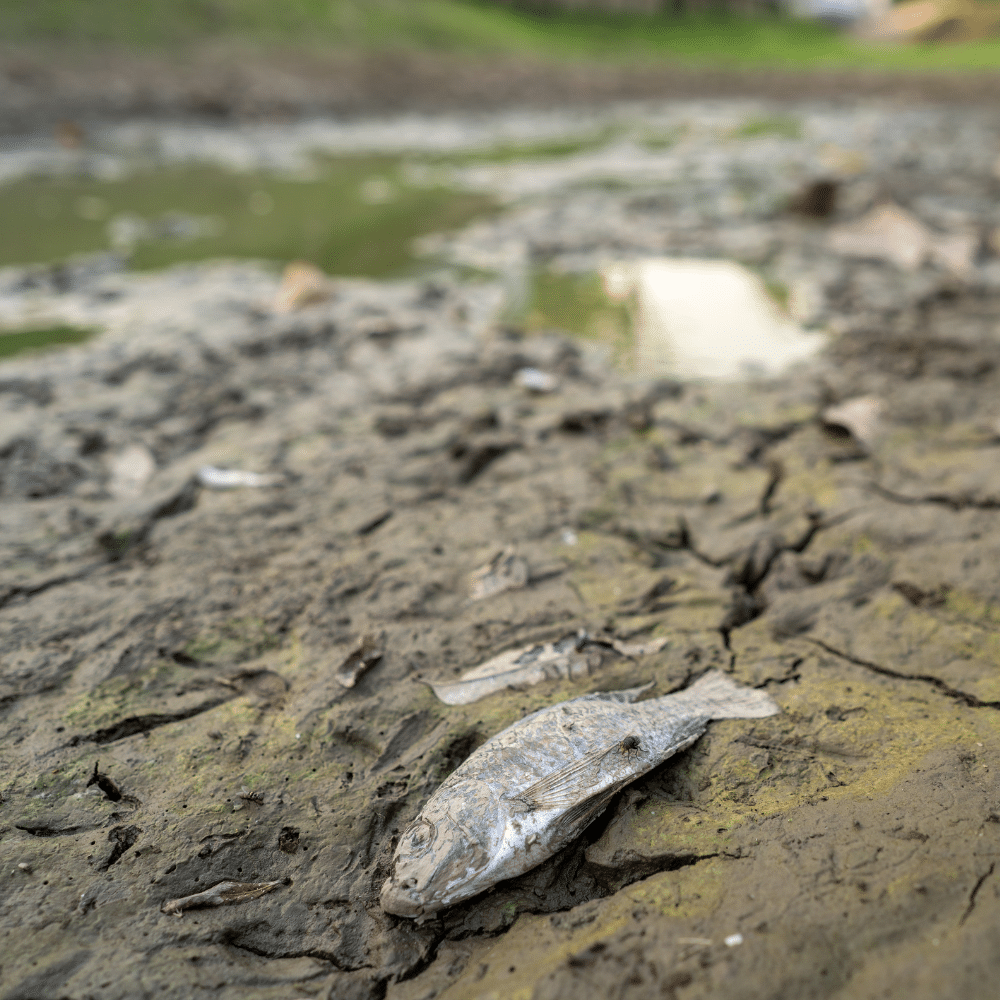
Photo credit: CDFW
Fish Can’t Swim in Dry Rivers
When the Merced dried up, fish were stranded in isolated pools, habitat vanished or was degraded, and the river’s ecological functions flatlined. Once the story finally broke, it made national news. Federal fisheries biologists warned that this could be the coup de grace for native species already on the brink of extinction. But the crisis goes beyond fish.
A dry river undermines water quality and groundwater systems and harms people downstream. It also exposes the deep flaws in a system that allows senior water rights holders to divert the entire river without maintaining any guaranteed minimum flow. The headwaters may flow from a beloved national park, but the lower river has been left unprotected.
The Merced River is threatened by more than just overuse:
- Lack of minimum flow protections – no regulations or clear paths to enforcement
- Blocked fish passage at Crocker-Huffman – Merced Irrigation District has closed the fish ladders at this small diversion dam indefinitely, blocking fish access to historic habitats, and disrupting ecological connectivity
- New Exchequer Dam raise – this proposal would raise the reservoir pool at Lake McClure by 10 feet and destroy part of the federally protected Merced Wild and Scenic River (learn more here)
- Climate-driven extremes – Intensifying drought and rising temperatures, coupled with water overuse, increases the likelihood of low flows, habitat loss, and conditions that are deadly to some fish and wildlife species.
A modest proposal: keep the Merced River flowing
Friends of the River, alongside Tribal partners and conservation allies, is working to save the Merced River. Our priority is securing year-round minimum flow requirements so that it can’t be dewatered ever again—and if it is, ensuring there are consequences for violating protections and drying up the river. Watch this space for more detail on our action plan for the Merced – and how you can help.
A living river supports people, wildlife, recreation, culture, and public trust resources. Ensuring consistent flows protects clean water, preserves native fish and wildlife, strengthens our adaptation to climate change, and restores balance to a river that has been overworked. Long-term restoration efforts, which include reconnecting habitat and supporting salmon recovery, will only be possible if the river isn’t constantly in crisis. By fighting for strong, enforceable protections today, Friends of the River is working to ensure the Merced River can thrive tomorrow.
May 2022 - Merced River, Hatfield Bridge upstream
Sept 2022 - Merced River, Hatfield Bridge upstream
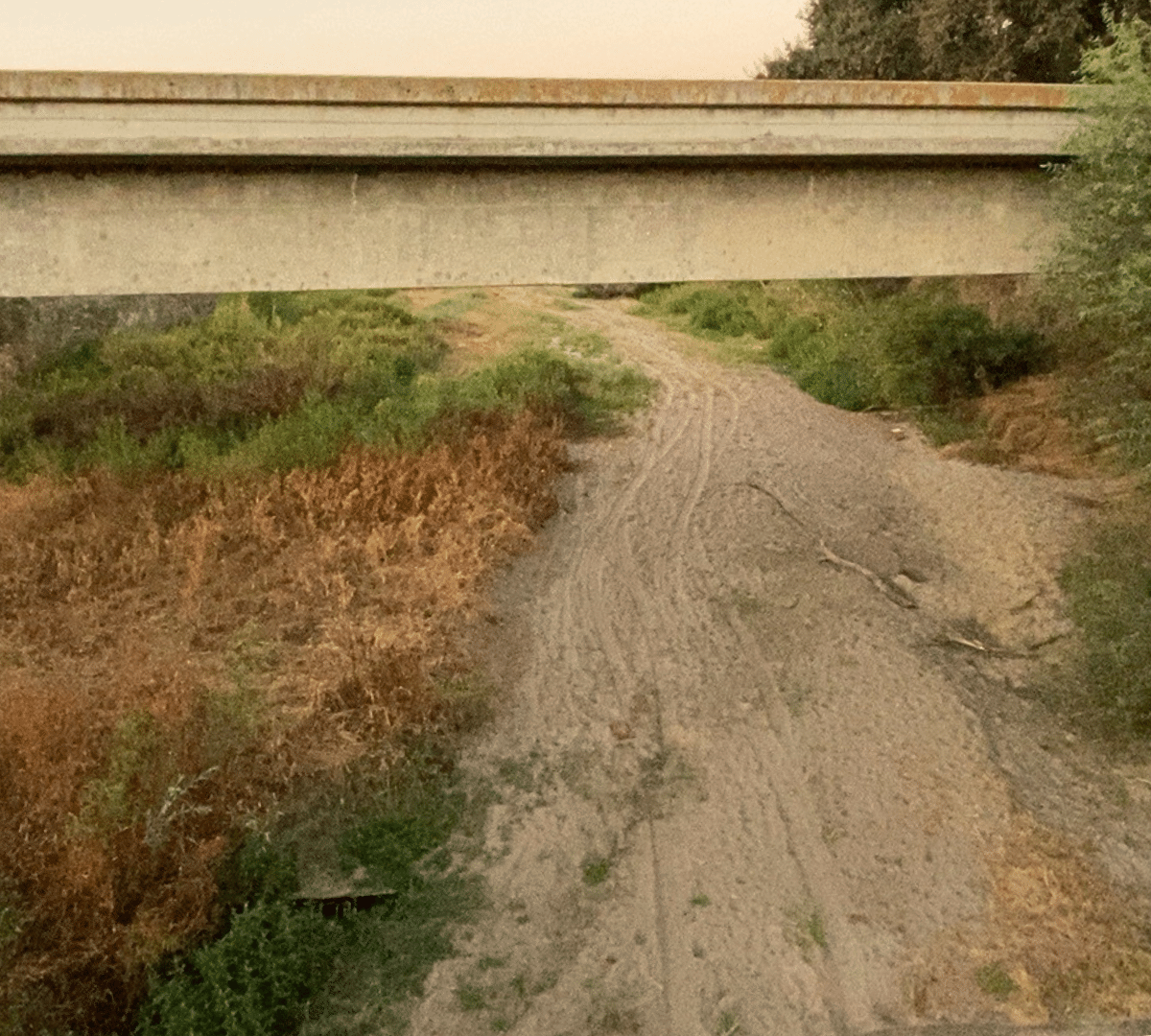
Photo credit: CDFW