Ca Rivers Deal With the D.C. Sillies – The River Advocate June 8, 2016 V6,#5

The River Advocate: June 8, 2016: Volume 6,Number 5

In this issue:

  • Ca Rivers Day & the Capital River Awards
  • ALERT: Help Stop HR8 – An Assault on America’s Rivers
  • Plans to Dewater Upper South Fork and Silver Forks of the American River
  • Get Involved – Join us for a Summer Adventure
  • A Delta Playbook
  • Draft Forest Plans find 870 miles of Streams Eligible for Wild & Scenic River Protection
  • Help Wanted & Things Needed at FOR
  • River Currents by Ron Stork
  • Office space at FOR for rent in Sacramento


Eric_Wesselman_FOR_Executive_DirectorCapital River Awards & California Rivers Day
Eric Wesselman, Executive Director

Over 20 organizations and almost 50 river advocates came together on May 18th in Sacramento at the state capitol to raise awareness of rivers and advance real solutions to California’s water woes for the second annual California Rivers Day.
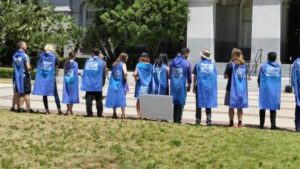
River Heroes line up at CARD 2016Groups and advocates attended in our Legislative Breakfast where they learned the nuts and bolts of legislation and how to effectively educate public officials. They then ventured to
capitol to hold the California Rivers Fair and participate in face to face meetings with legislators and senior staff on rivers and river issues. At noon we held a press event and River Heroes – complete with capes spoke for their rivers and, politely, paraded through the halls of the capitol turning heads and making our rivers known!

Top of the list of issues was to advance a more refreshing approach to adding resiliency to ensure Water Now For California. This simple, straightforward mini-report outlines the path to cost effective and environmentally sensitive solutions that would yield almost 12 times the amount of new water for California than all of the proposed new and expanded dam projects combined. Just 5 solutions that would mean not only more water, but water that would available for use so much faster. FOR and our sister river organizations and other supportive environmental groups plan to continue to advance these solutions with reports on even more ways to improve California’s water picture to come.

After a full day at the capitol we gathered for the Capital River Awards at the Capitol Plaza Ballrooms to celibate the day and to honor two legislative heroes of California’s rivers Senator Ben Allen and Assembly Member Susan Eggman.
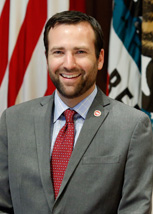
allen 2Senator Ben Allen authored SB 637, a landmark measure to protect California rivers and streams from environmentally hazardous suction dredge mining by requiring that water quality and human health impacts be evaluated before such mining is allowed to take place. This destructive form of mining used predominantly in the Sierra Nevada harms stirs up mercury and other toxic pollutants and turns fish habitat upside down. Elizabeth “Izzy” Martin, CEO of The Sierra Fund, was a chief proponent of the bill who noted “miners who use suction dredging are a vocal and organized band. It really required a senator who was willing to fight tirelessly for water quality and the public interest to successfully carry and pass this bill.”  We at Friends of the River couldn’t agree more!
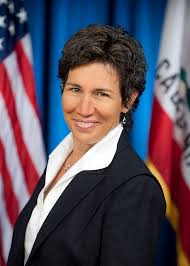
eggman 1Assembly Member Susan Eggman is leading the charge to ensure the people of California have a voice on the proposed twin tunnels through the Delta. Her bill, AB 1713 which she introduced this spring, would prohibit construction of the tunnels unless expressly authorized by an initiative approved by California voters. This bill put a spotlight on the irreparable harm the tunnels would do to the Delta and upstream tributaries to benefit one part of the state at the expense of another. More than thirty years ago, voters had the opportunity to vote on peripheral canal and, thanks to her leadership, they should be given the same respect this time as well.

The Capital River Awards raises money to strengthen the voice of rivers at a critical time. Funds donated build FOR’s grassroots capacity to protect our rivers from deadbeat dams. This continues our efforts to target Interior Secretary Sally Jewell to protect rivers threatened by dams with an invitation to join us on an unforgettable river trip. We’ll also be working to engage local decision makers, spark media attention and invite the public out to create their own memorable river experiences.

Email us at info@friendsoftheriver.org to get in the loop for next year’s California Rivers Day or at capra@friendsoftheriver.org for the next Capital River Awards, both planned for May 3, 2017.
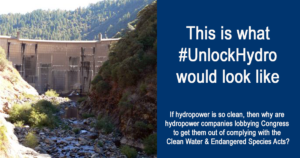

hydoHelp us stop a breathtaking assault on our nation’s rivers and the people who depend on them.
Tell your members of congress to stop H.R. 8!

H.R. 8 is a federal bill that would dramatically weaken the nation’s basic environmental standards as applied to hydropower dams across the country. Sponsored by the nation’s hydropower dam operators under the guise of “unlocking” or “modernizing” hydropower, H.R. 8 actually takes hydropower dam operations back decades. It creates a giant loophole for hydropower dam operators, so they are not required to protect fish, wildlife, or water quality. And the costs for cleaning up their mess? That would get passed on to taxpayers, like you.

With this bill, energy companies win; everyone else loses – river communities, municipal utilities, paddlers, and anyone who enjoys our public lands and rivers. Tell Congress to oppose this. The hydropower industry wants to be seen as clean and sustainable. But hydropower is the only renewable energy that drives species toward extinction. It needs to be done right to minimize the damage. And this legislation will result in dried up rivers, dead fish and wildlife, and destroyed recreational opportunities.

We agree that America’s energy picture is changing rapidly and that we need to update and modernize our energy infrastructure, but don’t let the hydropower industry take us backwards in time. Tell Congress to oppose this power grab by the energy companies. Take action now


PLANS TO DEWATER UPPER SOUTH FORK AND SILVER FORKS OF THE AMERICAN RIVER
By John Simpkin of American Whitewater, Special to the River Advocate

American Whitewater is actively monitoring a water storage project that the El Dorado Irrigation District is proposing on Alder Creek that will deeply impact the South and Silver Forks of the American River. Resurrecting a plan from the 1970s, the District has submitted the Alder Reservoir Concept for funding consideration to the California Water Commission. Under Proposition 1, which implements the Water Quality, Supply and Infrastructure Improvement Act of 2014, the Commission has the authority to allocate $2.7 billion in public dollars to water storage projects. If the District is successful in receiving partial funding for the $909 million Alder Reservoir project, a significant portion of the Upper South Fork American River drainage would be de-watered.

The project would involve 6.6 miles of pipeline and an 8.8 mile long tunnel, which could divert up to 180,000 acre feet of water in an average year. This would eliminate popular whitewater resources on the South Fork and Silver Forks of the American River, including:

South Fork American River – Lover’s Leap (IV-V)Kyburz (III-V)Riverton (III-IV)Golden Gate (V+)

Silver Fork American River – Dugald Bremner Run (V), Middle Run (III-IV), Lower Run (V+) 

“This would be the death of all boating in the upper SFA drainage”, commented Jared Noceti, a long-time boater who grew up in the area. “This is huge. In a very bad way.”

American Whitewater will continue to track this project and work to keep the South and Silver Forks of the American River flowing! The river will need your voices…stay tuned for more information and ways you can take action! Learn more on this project and see a video of the Silver Fork American at: https://www.americanwhitewater.org/content/Article/view/articleid/32571/


Tobb_Briggs_FOR_Engagement_Coordinator2Get Involved!
Toby Briggs, Engagement Coordinator

The summer holds new adventures as we welcome in another season, new River Advocates (River RATS) and new volunteers!

Get involved today!

Whether you are a seasoned volunteer or new to the FOR tribe—come join us for FUN this summer.  Here’s how:

  • Put Paddle to the Capitol on your calendar!—a multi-day adventure along the American River from Coloma to the Capital! Sign up for 1, 2 or all 4 days! (new event)
    • Upper American—August 6th & 7th (whitewater rafting)
    • Lower American—August 13th & 14th (canoeing/kayaking/rafting)
  • Join us at a classic FOR BBQ Fundraiserregistration open online!

Jun 25-26 | July 16-17 | August 20-21

  • Come out and canoe! Classes, paddles and outings available for all skill levels. Experience your rivers in a new way.

Check it out—more information here.

Thank you to our first class of River Advocates!  They finish their fellowship on California Rivers Day (5/18). Here are just a few of their contributions over the last 5 months:

  • Created engagement opportunities at Earth Day events, created film nights, Rotary Clubs, Sierra Club meetings and universities, plus shared about FOR at over 6 events.
  • Helped coordinate the Antelope Valley/Site Reservoir Tour in April
  • Transitioned the FOR website to a new platform.
  • Connected 125 Bay Area high school students with water justice issues.
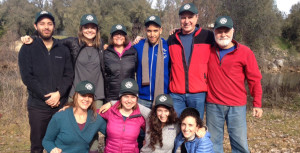
RATS

Please welcome 7 new River Advocates for Summer 2016! Brett, Bryan, Eric, Holly, Jeremy, Kathryn and Lindsay.  Each of these talented and motivated folks will be on the river this summer sharing about FOR’s work.  Come meet them on a canoe or rafting trip!
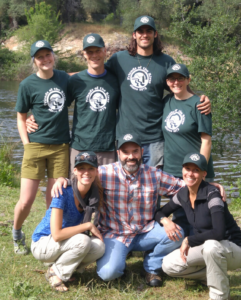
 

RATS.May 2016.Group.tight

We are working to build a strong FOR volunteer community.  Tell us how you would like to get involved by emailing Toby Briggs, Engagement Coordinator. What do you have to share in time, talents, passion?
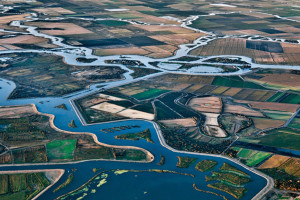

Our-Work--Rivers-Under-Threat-Delta-ThreatA Delta Playbook
Ron Stork, Policy Director

It’s sometimes hard to follow the complex dance of the proposed Delta tunnels (now called the California Water Fix). So in the interest of a little more clarity, here’s some much abbreviated highlights.

The Kickoff

In order to construct the Delta tunnels, the California Department of Water Resources and U.S. Bureau of Reclamation need permission to persuade the State Water Resources Control Board to add the tunnel entrances to their existing “point of diversion(s)” for their big pumps that deliver water to the south state and some bay area communities.

The applicants will need to demonstrate that the water-right change does not cause harm to any other legal user of water. And environmentalists assert that court cases such as Audubon’s famous Mono Lake case require that the Board consider harm to the “public trust” in making its decision.

The Board has scheduled hearings that cover each of these issues separately.

The Delta Team

Delta-area farmers and cities have long claimed that south-state pumpers (the exporters) are pumping water not surplus to the needs of riparian-rights holders in the Delta (i.e., they’re hurting higher priority (riparian) users in the water-rights pecking order) and that the exporters are also pumping water needed in the watersheds (areas of origin) where the export projects gather their water.

These issues have a water-rights theme that can be summarized as “pumping water that doesn’t belong to them.”

The Delta folks are concerned that the tunnels will mean less fresh water in the Delta because of the upstream diversion, and that more water will be pumped and water quality conditions in the Delta degraded — regardless of any assurances that may be given today.

This “riparian versus project water,” “no harm,” and “adequate assurances” themes are complex to sort out and something that the Board will try to figure out — or avoid figuring out as much as they can. That story has yet to play out.

The Sacramento Valley Folks

The Sacramento Valley is the main place where the water the exporters pump comes from. The exporters tell folks in the Sacramento Valley not to worry because the change in “place of use” doesn’t change the water rights of folks in the Sacramento Valley or the state’s “area of origin” protection statutes.

That’s true, but that’s not what many people in the Sacramento Valley are concerned about: they care about having enough water for their farms, cities, iconic fisheries, and scenic landscapes.

Court decisions have made it clear that “area of origin” protection does not apply to how federal and state managers allocate water in the giant Central Valley Project (CVP) or the State Water Project (SWP) that together control most of the developed waterways of the Sacramento Valley. A water contractor with the same priority in one part of the CVP or SWP should have the expectation that it will be treated equally with any other contractor with the same priority (shortage provisions) — or at least that it is within the CVP and SWP’s discretion to try to achieve that equality.

Beyond that, the state and federal projects have substantial discretion on where they decide to store their water.

However, geographic circumstances are recognized by the courts as a legitimate reason why contractors may have different circumstances (i.e., deliveries or delivery reliability). For example, because circumstances in the Delta tend to constrain exports in some years, in these years and on average, the big Folsom, Oroville, Shasta, and Trinity CVP and SWP Reservoirs tend to be higher than they would be with the tunnels in place and the export projects less constrained.

With the tunnels, that water would be in San Luis Reservoir, SWP reservoirs on the way to L.A., and in the salty and seleniferous fields of the west side of the San Joaquin Valley (plus Kern County). In other words, it’s geography that control many real-world decisions since within the CVP and SWP service areas the water belongs to the United States and the State of California regardless of where an individual contractor may be.

The existential problem for the north state is just that. Neither applicant for the Water Fix is prepared to keep water that belongs to them preferentially in the north state, improving water-supply reliability and environmental quality there.

The tunnels will change geographic circumstances. Shortages will be more frequent in the north because that water will be in the south.

That is harm.

Steve_Evans_FOR_Wild&Scenic_Program_ConsultantSierra Nevada Forest Plans Will Determine Fate of Our Wild Rivers and Streams
Steve Evans, Wild Rivers Consultant

The U.S. Forest Service has released for public review and comment draft management plans for nearly 4 million acres of public lands in the eastern and southern Sierra Nevada. The draft plans for the Inyo, Sequoia, and Sierra National Forests address many different land and resource management issues, including the identification of rivers and streams eligible for Wild & Scenic River protection.
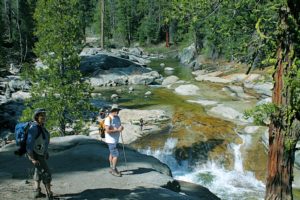
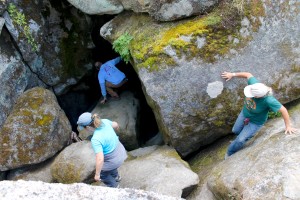
Dinkey Creek Hikers Sierra ForestThe good news is the Forest Service has just completed in the draft plans the first comprehensive Wild & Scenic River inventory in the eastern and southern Sierra, identifying nearly 870 miles of streams eligible for Wild & Scenic River protection. The Sierra Forest identified an astounding 633.5 miles of eligible rivers and streams, while the Inyo found 160 miles to be eligible. The Sequoia identified only 76 eligible miles.

The free flowing character and outstanding natural and cultural values of the eligible rivers and streams included in the final plans will be protected administratively by the Forest Service pending future legislative action by Congress.

Streams eligible for Wild & Scenic protection include some of the most iconic waterways in the eastern and southern Sierra Nevada, including Lee Vining Creek, Hot Creek, and Lone Pine Creek on the Inyo Forest; the Little Kern River and lower Kern River on the Sequoia National Forest; and the unprotected segment of the Kings River, upper Dinkey Creek, and much of the San Joaquin River on the Sierra Forest.

However, the Forest Service either didn’t assess or found ineligible some key streams in the draft plans, including Dexter Canyon on the Inyo Forest, Salmon and Trout Creeks on the Sequoia Forest, and lower Dinkey Creek on the Sierra.
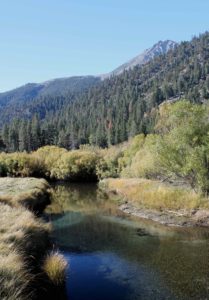
IMG_0906.JPGWilderness protection, including roadless lands in Wild & Scenic River watersheds, is also a key issue addressed in the draft forest plans. Unfortunately, the Forest Service recommends in its “preferred” Alternative B no new Wilderness on the Sierra and Sequoia Forests and only a modest 37,000 acres of Wilderness on the Inyo – about 2.5% of the 1.5 million acres of potential wilderness inventoried on all three forests.

The agency is recommending 743,076 acres of Wilderness in the more conservation oriented Alternative C. But even this more expansive alternative leaves out key areas, including roadless portions of the Kings and North Fork Kern Wild & Scenic Rivers. Protecting these watersheds will preserve the water quality and biotic integrity of these important rivers.

The 90-day public comment period on the draft plans has begun and comments are due by August 25, 2016. To ensure strong protection for Wild Rivers and Wilderness in the final forest plans, advocates must attend public meetings, submit comments supporting Wild Rivers and Wilderness, mobilize their friends to get involved, and get out their and explore these threatened wild places before its too late.

Friends of the River will email alerts for each forest in the coming months. If you live in the vicinity, we urge you to attend upcoming public information meetings about the draft plans.  If you attend one of these meetings, be sure to mention that you support all 870 miles of eligible Wild & Scenic Rivers and Alternative C in regard to Wilderness recommendations, with some rivers and areas added (see above).

Meetings in June include:

  • June 13, 2016, 6-8PM – Mammoth Lakes Cerro Coso Community College, 101 College Parkway, Mammoth Lakes, CA.
  • June 14, 2016, 6-8PM – Cerro Coso Community College Eastern Sierra Campus, 4090 W Line Street, Bishop, CA.
  • June 15, 2016, 6-8PM – Sequoia National Forest Supervisor’s Office, 1839 South Newcomb Street, Porterville, CA .
  • June 16, 2016, 6-8PM – Clovis Memorial Veteran’s Hall, 808 4th Street, Clovis, CA.
  • June 22, 2016, 6-8PM – California State University Northridge, University Student Union, Thousand Oaks Room, 18111 Nordhoff Street, Northridge, CA.
  • June 23, 2016, 5-8PM – El Pueblo Historical Monument, 125 Paseo de la Plaza, Pico House, Los Angeles, CA.
  • June 29, 2016, 6-8PM – Fort Mason, Gallery 30, 2 Marina Boulevard #308, San Francisco, CA.

For more information, please contact Steve Evans, Friends of the River’s Wild Rivers Consultant at sevans@friendsoftheriver.org or call (916) 708-3155. To review the Forest Service’s draft Forest Plans and EIS, as well as for the full schedule of upcoming public meetings, visit:
http://www.fs.usda.gov/wps/portal/fsinternet/!ut/p/c5/04_SB8K8xLLM9MSSzPy8xBz9CP0os3gDfxMDT8MwRydLA1cj72BTUwMTAwgAykeaxRtBeY4WBv4eHmFYT4GMHkidBvgAI6EdIeDXIvfdrAJuM3388jPTdUvyA2NMMgyUQQAyrgQmg!!/dl3/d3/L2dJQSEvUUt3QS9ZQnZ3LzZfS000MjZOMDcxT1RVODBJN0o2MTJQRDMwODQ!/?project=3375


Johnnie_Carlson_FOR_Operations_DirectorHelp Wanted & Things Needed
Johnnie Carlson, Operations Director

It takes a lot of friends to save rivers and we would love to welcome more friends into a love of rivers. Spreading the word means getting out there and having the right tools – if you can help write, table, share photos, organize a house party, or donate an item on our wish list – send an email to jcarlson@friendsoftheriver.org.

Web/Writing
Help build and/or write website content or write for FOR’s Headwaters newsletter. Later this summer we will be rolling out new content on our site, building river pages, and looking for local river stories to share with a wider audience.

Photos
We are always in need of photos of California rivers and photos of people enjoying those rivers. Whether it is spring time blooms along the river, winter scenes, or the fun of summer – send photos to share to FOR to info@friendsoftheriver.org.

Outreach Volunteers
We are looking to get more people involved in river campaigns in the Fresno, Chico, Redding, and Merced-Mariposa-Yosemite area. What we need are local volunteers to find and table at local events and activities and possibly to host a River House Party in your area.

FOR’s Wish List:

Working Power Point Projector

Used, but working MAC laptop

New or like new PFD’s and whitewater helmets

Used canoes and whitewater rafts in working condition – they need not be pretty

river-advocate-8-ron-storkRiver Currents
By Ron Stork, Policy Director

Not-So-Silly Season Here

This is an election year, so members of Congress have been spending much of their time in their own election campaigns — or the elections of others. But they also have some bills they would like to pass, and they don’t have a lot of time left to do it.

One of those bills is another Energy bill. The Senate bill (S. 2012) has reflected the interests and prejudices of its members. The House bill does as well. The result: trouble.

These are big bills, and there is much to say about them, but let’s concentrate on some obscure sections that affect rivers and the way we manage them.

H.R. 8, on the House side, includes PG&E’s (Northern California’s Pacific Gas and Electric Company’s) effort to consolidate the power of the Federal Energy Regulatory Commission (Commission) to control decisions related to power-producing dams not owned by the federal government. As a result, the power of tribes, states, and federal natural-resource and land-management agencies would be diminished.

That would be a bad thing.

These agencies have shouldered considerable responsibilities to protect public lands and waters, water quality, recreation and recreational fisheries, and threatened and endangered species. PG&E and many other dam owners haven’t liked the way these agencies have taken their jobs seriously and want more power to rest in the much more dam-owner-friendly Commission.

PG&E persuaded California Representative Jerry McNerny (D-Stockton) to carry their water for them, the Republican House passed the bill, and the President’s senior advisors recommended a veto.

To make it even worse, in recent weeks, many provisions of Representative David Valadao’s (R-Hanford) “drought” bill were stuffed into H.R. 8. For those who haven’t been following closely, that bill attempts to commandeer water in the Delta and, for good or ill, bring that water home to Hanford and nearby fields overlying some of the overdrafted aquifers of the San Joaquin Valley. And locals have been overdrafting groundwater there for decades.

The House conferees include Californians Jeff Denham (R-Modesto), Doris Matsui (D-Sacramento), Lois Capps (D-Santa Barbara), and Jered Huffman (D-Huffman), the latter having spoke against the bill already.

Of course, every member of Congress gets to vote on the Energy Bill if it gets out of the conference. So it’s time to get out your pen or keyboard or telephone or I-pad and let your Representative or U.S. Senator know that you don’t want them voting for the provisions of H.R. 8 that disturb the existing protections for rivers by handing more control to the Federal Energy Regulatory Commission.

Check out our webpage on H.R. 8 for details, including who to write to. An informed and communicating public is the best defense we have for healthy rivers. Or you can jump right to our action alert and send your message now.


And Then There’s the California Legislature

California Rivers Day at the capitol, now in its second year, already has some traditions. In addition to bills of concern to individual participants, a few bills get highlighted by everyone as we trod along the floors of the capitol visiting legislators. And in the capitol, dominated by Democrats, you’d think we get some respect. Think again.

One of those bills, AB 1649, directs the California Department of Water Resources, which at least has some statewide river stewardship responsibilities, to develop a state water policy that gives priority to joint powers authorities (JPAs) to address surface storage (more dam) “needs.”

This provision is hardly needed since the $2.7 billion largesse in the California Water Bond can’t be tapped by the Department anyway, but given the local prejudices of the governing boards of JPAs, this provision in AB 1649 still sounds like scraping a fingernail on a chalkboard (for you younger people, that is pretty unpleasant).

More importantly, AB 1649 tries to influence the California Water Commission’s considerations on how to hand out billions of dollars to storage projects by declaring that the proposed Temperance Flat dam on the already tapped-out San Joaquin River and the proposed Sites offstream storage reservoir tapping the Sacramento River (a river without any stream-specific streamflow rules to protect it) “will meet statewide goals” and “provide benefits to the greatest public extent.” Lovely.

An obvious no-brainer for a no vote. Nope, only Assemblymen Gomez, Gordon, Levine, Mark Stone and Ting voted no. Not voting were Assemblymen Harper and Nazarian. 72 members of the California lower house voted yes!

Most Republicans and some Democrats were proud of their vote. The rest of the Democrats gave their vote to Rudy Salas (D-Bakersfield) to help him in his election bid. Nothing to be proud of.

So that means that this measure heads to the California Senate, where if the same dynamics prevail, there will be a similar vote. Time to tell your state senator that his or her mother would be ashamed if he or she cast her vote for AB 1649 and you can do so through our website.

It also looks like California Rivers Day at the state capitol needs to get bigger and better and held more often. The world is run by those who show up (well, money helps too), and it looks like we need to show up some more or at least be louder if we want respect.


But Back to the Congressional Sillies Again

We’ve got some big problems back in Washington D.C.  House leaders, including Majority Leader Kevin McCarthy, are not only stuffing ugly river-nasty stuff into the Energy Bill but are likely to do so in any House companion to the Senate omnibus western water bill being put together by Senators Lisa Murkowski (R-Alaska) and Maria Cantwell (D-Washington).

That Senate bill is likely to feature Senator Feinstein’s “authorization” of any dam projects that the Secretary of the Interior wishes to “authorize.” It would also allow the Secretary provide for up to 25% of the construction costs of storage projects by others as a nice little Christmas present from Uncle Sam to otherwise deadbeat dams. It also would establish a Department of the Interior bank to compete with the private markets to loan money to get these dams going.

More dangerous is that provisions of Rep. Valadao’s and Senator Feinstein’s drought bills are being stuffed in the Energy and Water Appropriations bills. These are must-pass bills whether they are passed alone or in omnibus appropriations bills, the vehicle for many years now. They’re tough for a president to veto since they fund all or part of the federal government, from national parks to homeland security.

Presidents Jimmy Carter and Ronald Reagan would not be proud. These two tried to establish some fiscal discipline for federal water projects, and most thought that Ronald Reagan actually succeeded.

No more, though. Carter and Reagan’s heirs are heading back to the bad old days when approvals and funding for federal water projects was the business of the pork barrel, not a careful process that goes through expert review and vetting before Congress touches it.


Speaking of Silly, There’s the Elections

Donald Trump came to Fresno and told the adoring crowds there that there is no California drought, that it’s just those stupid environmental laws about a little fish.

Well, it is true that this year (a major drought year south of Sacramento but an average water year in the north state) the big export pumps couldn’t run flat out during the month or so when there was some reasonably big water in the Sacramento River. But it takes two rivers to keep the Delta working, and the San Joaquin River this year couldn’t do the job.

More illustrative were the two previous drought years. That drought hit north and south, and the pumps couldn’t run much because if they did they’d be sucking salt water and creating havoc for some fish there.

Earth to Trump, mother nature can’t be ignored no matter how sweet the rhetoric. She still bats last.


From the Not Silly Desk

Getting ready for conducting a briefing in the capitol and California Rivers Day does tend to focus the mind. This year it was trying to building some referenced fact sheets on the pending dam projects. After all, few in the legislature know much about them (other than they voted to stuff $2.7 billion in taxpayer money in the then budding California Water Bond to maybe finance them).

We decided to extensively reference the fact sheets so anyone could check our work, something that good journalists or legislative staff should do. Of course the endnotes (in small print) take up more space than the fact sheets themselves, but that’s life. Well, the one for Sites Reservoir doesn’t meet that standard, but Sites lacks a public draft feasibility report. That project is living in a halcyon world where it can be a reservoir for everyone and every thing — without having to demonstrate how it can.

Check the fact sheets out at the Friends of the River website. Right now we have fresh fact sheets on the proposed raise of Exchequer and Shasta Dams and the proposed Temperance Flat dam and Sites Reservoir.

As always, more fact sheets could and should be created for the deadbeat dams spawned or revived by the Water Bond. If you have some time and talents on this kind of communication, please contact the FOR office at info@friendsoftheriver.org. Public education should not be just a spectator sport.
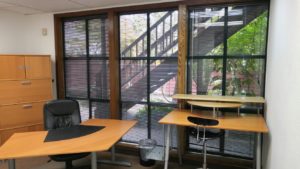

0328161405_resizedNeed an office in Sacramento?
Johnnie Carlson, Operations Director

FOR is looking to sublet some offices, please pass this email out to your contacts in Sacramento or other locations who may have use for some prime office space near the state capitol. Thank you!

Friends of the River has 1 executive office within our suite (140 square feet – 10 x 14) for rent on a month-to-month basis for $300 or lease. Base rent includes electricity, janitorial, 1 dedicated parking space, use of conference room, landscaped courtyard, kitchen, fax, and wireless internet. Use of phone system, printers, scanner and color copier are negotiable. The office features floor to ceiling east-facing windows looking out on our gated courtyard and enjoys ample natural light.
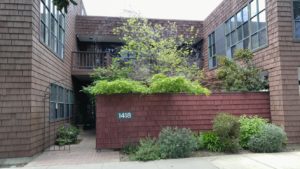
0328161401_resizedOur modern building is located with-in walking distance of downtown (10 blocks), the Capitol Park (6 blocks), dozens of restaurants and light rail. Our suite is alarmed, there are security cameras on our building, and the staff member responsible for our office lives one block away for convenient off-hour service needs. Month to month rate is listed, reduced rate for lease based on term length. First, last and security deposit required, terms are negotiable.

To arrange to view the offices or for other questions please contact Johnnie Carlson at (916) 442-3155 ext 211 or by email to jcarlson@friendsoftheriver.org


The River Advocate is published by Friends of the River. Got an item for the River Advocate – please email us at: info@friendsoftheriver.org.
DEADBEAT DAMS ON THE FAST-TRACK…THE RIVER ADVOCATE, Vol6 #3 April 13, 2016

The River Advocate
Volume 6, No. 3
April 13, 2016

INSIDE:

  • California Rivers Day: Calling all River Businesses and River Advocates!
  • FEDERAL ALERT: Sally Jewell – Stop these Deadbeat Dams!
  • STATE ALERT: Assembly Committee Advances Bill to Fast-Track Dams
  • FOR Opinion Piece Runs in the Sacramento Bee
  • Visit Potential Wild Rivers and Wilderness this Spring
  • California Rivers Calendar

Eric_Wesselman_FOR_Executive_DirectorCalifornia Rivers Day – MAY 18, 2016: Calling all River Businesses and River Advocates!

Eric Wesselman, Executive Director

YES – Sign Me Up as an Individual to Visit my Legislator!

Send More Information on Ca Rivers Day for my business or organization

On behalf of Friends of the River, I want to invite you and/or your river related business or organization to join us for the 2nd annual California Rivers Day—an education, outreach, and activism event featuring rivers at the State Capitol.  Our goal is to build a more powerful river protection movement in California because rivers need a stronger voice in the halls of power.  The severe and persistent drought has unleashed an intense push to take us back to the era of big dam building and weaken protections for our waterways.

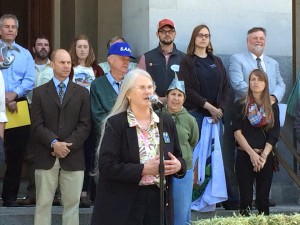
Katherine Evatt speaks to the pressThis day will bring over 30 river groups and river related business together from across the state, along with our supporters, to convey the magic of rivers and the need for smart sustainable water solutions.  We’ll begin the day with a Legislative Breakfast with a special guest speaker just steps away from the capitol. Then we will head over to the building for California Rivers Fair and meetings with legislators. At noon we will hold a press conference on the South Steps to highlight the case for rivers and smart water solutions for California.  That evening we’ll celebrate our hard work at the Capital River Awards at the same location as the morning’s breakfast.
Your participation as a citizen activist or as a representative of your business or river organization for all our rivers will give the day greater statewide impact by helping to demonstrate a broad base of support for our treasured natural waterways.  Our unique power as river activists, river-related business, and groups is our statewide presence—there are rivers, creeks, streams, and sloughs in every legislative district in California along with people just like you who care very deeply about these treasures.  This day will bring our message to our state’s leaders.

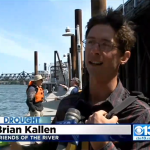
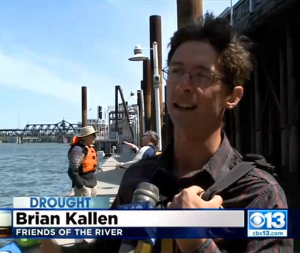
brian kallen gets some TV timeWhile business and organizational participation in the day is (and will always be) free – we are asking organizations and business to consider helping FOR underwrite the California Rivers Day by becoming a sponsor at the $250 Tributary Level. Our costs for the day for participants are $53 for the three meals and $75 per booth for tables, chairs, and pop-up shades.  Sponsors will receive additional recognition of their support you can learn more by emailing us at: info@friendsoftheriver.org
I truly hope you will join us to celebrate our rivers and educate decision makers as well as the general public.  It’s time for all of the rivers of California to make their presence known in the halls of the State Capitol and we would be honored to have you participate. You can reply to this email to sign up or get more information.

YES – Sign Me Up to Visit my Legislator!         Send More Information on Ca Rivers Day


Sally for homepageFEDERAL ALERT Sally Jewell: Please Ensure a Legacy of Living Rivers: Stop These Deadbeat Dams!
TAKE ACTION NOW

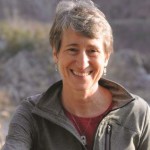
The U.S. Bureau of Reclamation is finalizing its proposals for two dam projects that threaten to harm rare free-flowing segments of the McCloud, Sacramento, and San Joaquin Rivers.  Interior Secretary Sally Jewell oversees the Bureau, so she has the ultimate authority to reject these ineffective, costly, and destructive projects. So called “drought relief” legislation currently pending in Congress also grants Secretary Jewell the clear authority to reject these dams. Please sign this letter TODAY urging Secretary Jewell to reject these unneeded dam projects and do everything in her power to protect these magnificent rivers.

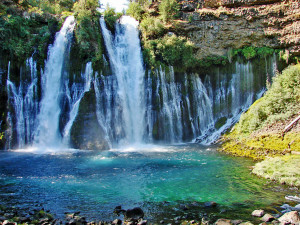
burney fallsThe Bureau is recommending an 18-foot raise of the existing Shasta Dam in northern California, which will drown a segment of the McCloud River protected by state law. The dam raise will destroy the cultural heritage of the Winnemem Wintu Tribe. Wildlife agencies have expressed concern that the Shasta Dam raise will modify flows downstream in the Sacramento River and fish and wildlife habitat on federal lands in the Sacramento River Bend Outstanding Natural Area and the Sacramento River National Wildlife Refuge.
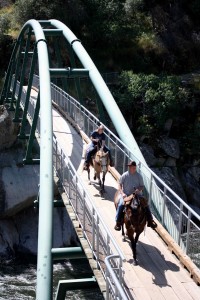
SJRG Bridge HorsesThe Bureau is also finalizing its feasibility report and environmental statement for the proposed Temperance Flat dam on the San Joaquin River Gorge northeast of Fresno. This 665 foot-high dam will flood nine miles of the river gorge and more than 5,000 acres of canyon providing outstanding outdoor recreation opportunities for up to 84,000 visitors annually. The dam will completely drown a segment of the river recommended by the Bureau of Land Management (another Interior agency) for National Wild & Scenic River protection.

Not only will these dam projects harm some of the few free flowing river segments remaining in California, the projects will cost taxpayers billions of dollars and actually do little to improve California’s water supply. As President Obama’s science advisor John Holdren noted, “…the problem isn’t that we don’t have enough reservoirs, the problem is that there isn’t enough water in them.”

With your help, we’ll make sure our rivers are protected through the drought and for future generations! Together, we give our rivers the strong voice they deserve.

What You Can Do:

Send an email to Interior Secretary Sally Jewell TODAY, urging her to reject the proposed Shasta Dam Raise and the Temperance Flat dam and do everything she can to protect the federal lands and natural values of the McCloud, Sacramento, and San Joaquin Rivers.


SueGraueSitesSept2013_8051 compressed
STATE LEGISLATION ALERT Assembly Committee “Prioritizes” State Funding for Destructive Dam Projects
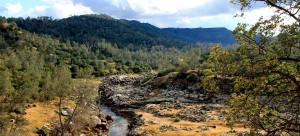
Steve Evans, Wild Rivers Consultant

TAKE ACTION NOW

The Assembly Water, Parks, and Wildlife Committee today (4.12.16) approved a bill that prioritizes and expedites state funding for the controversial Temperance Flat Dam and Sites Reservoir. AB 1649 by Assembly Rudy Salas (D-Bakersfield) establishes a new state policy that gives priority to the formation of local joint powers authorities (JPAs) pushing for the construction of new dams in the Sacramento and San Joaquin watersheds. The bill also states without any substantiating evidence that Sites and Temperance Flat will meet statewide goals and provide public benefits “to the greatest extent” than other surface and groundwater storage projects. The bill passed the committee on a bi-partisan vote.

The bill was opposed by Friends of the River, Sierra Club California, Clean Water Action, Planning and Conservation League, American Rivers, and the Winnemem Wintu Tribe. In its written testimony, Friends of the River noted, “there is currently no factual evidence that either the Temperance Flat Dam or the Sites Reservoir will meet statewide goals or provide public benefits.”

As a practical matter, legally required environmental reviews and feasibility reports are not yet completed on these projects. Moreover, draft and preliminary environmental and feasibility documents show that these projects will actually produce very little new water, will cost billions of dollars, and harm fish and wildlife and their habitat.

Of particular concern is the less than factual statement that Temperance Flat and Sites will provide the greatest extent of public benefits.

IMG_1599.JPG copyIn fact, the Bureau of Reclamation’s claim that the Temperance Flat Dam on the San Joaquin River Gorge will benefit downstream salmon has been disputed by the federal EPA, California Dept. of Fish and Wildlife, and agencies involved in the San Joaquin River Restoration Project. In addition, the dam will flood nearly nine miles of river canyon recommended by the Bureau of Land Management for Wild & Scenic protection and more than 5,000 acres of public lands providing outdoor recreation and education for as much as 84,000 visitors annually.
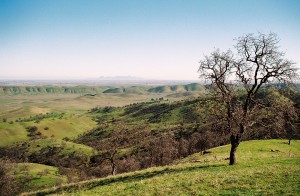

Sites Valley

Sites Valley

Potential water supply and environmental benefits from the Sites Reservoir remain unquantified because the California Dept. of Water Resources has yet to release draft environmental impact and feasibility reports for this controversial project. Friends of the River is strongly concerned that water diversions from the Sacramento River to fill Sites Reservoir will harm the river’s riparian and aquatic habitats and the numerous threatened and endangered fish and wildlife species that depend on these habitats.

During the committee hearing, Assemblymember Susan Talamantes Eggman (D-Stockton) pointedly asked bill author Salas if AB 1649 basically picks “winners and losers” in regard to state funding from Proposition 1 for dam projects. Despite Mr. Salas’ denial, his bill does indeed prioritize and expedite state funding for Temperance Flat and Sites over less egregious surface storage projects like the proposed expansion of the Los Vaqueros and San Luis Reservoirs, or even more environmentally friendly groundwater storage projects.

What You Can Do:

Send an email to your Assemblymember TODAY, urging him or her to reject AB 1649 when it comes for a vote on the Assembly floor. Click here to send your email opposing AB 1649. For more information concerning AB 1649, please contact Steve Evans at (916) 708-3155, email: sevans@friendsoftheriver.org.


water-158956_1280FOR Opinion Piece Runs in the Sacramento Bee
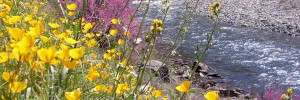
Friends of the River advances positive and realistic solutions to our water woes. Three off-the-shelf solutions would yield more water than new dams…a whole lot faster and a whole lot cheaper. Read our Opinion article in Sunday’s Sacramento Bee at:

http://www.sacbee.com/opinion/california-forum/article70351132.html

Read more on FOR’s website at:

http://www.friendsoftheriver.org/our-work/water-for-california/

And learn about the 50 Ways YOU can Save Your River starting today at:

http://www.friendsoftheriver.org/2016/01/28/551/


Steve_Evans_FOR_Wild&Scenic_Program_ConsultantExplore Threatened Rivers And Other Wild Places Of The Sierra Nevada!

Steve Evans, Wild Rivers Consultant

Friends of the River and the California Wilderness Coalition (CalWild) are partnering with local groups and activists to organize a series of camping trips to explore threatened wild places on our public lands in the Sierra Nevada. California’s drought has panicked government officials into proposing costly, environmentally destructive, but relatively ineffective new dam projects in the Sierra Nevada that threaten our few remaining free flowing rivers. This spring, the U.S. Forest Service will release draft plans for more than 4 million acres of public lands in the Sierra Nevada that will determine which rivers and areas are eligible for Wild & Scenic and Wilderness protection. Now is the time to visit and explore some of the areas that are threatened by dam building, road construction, logging, mining, and energy development.

All trips are limited to 20 participants and are free of charge. Participants are responsible for their transportation, camping and hiking gear, and food. For more information and to RSVP, please contact Steve Evans at sevans@friendsoftheriver.org or call (916) 708-3155.

Here is the camping trip schedule for the Spring of 2016:

April 29-May 1 – San Joaquin River Gorge: Family camping in the threatened San Joaquin River Gorge northeast of Fresno. We’ll explore the river gorge recommended by the BLM for Wild & Scenic River protection and discuss the threat proposed by the costly, unneeded, and destructive Temperance Flat Dam.

Support-FOR-Contribute-4May 13-15 – Merced Wild River and Potential Devil Gulch Wilderness: Family camping in a BLM campground on the Merced Wild & Scenic River near Mariposa. We’ll hike downstream to view a segment of the river and the surrounding Merced River Wilderness Study Area threatened by the proposed expansion of McClure Reservoir. We’ll also hike the Hite Cove Trail along the South Fork Merced Wild River into the potential Devil Gulch Wilderness.
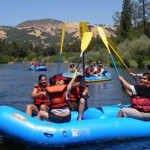
May 28-30 – Kings River: Family camping in the beautiful Kings River Special Management Area in the Sierra Nevada foothills about 1.5-2 hours east of Fresno. We’ll hike the Kings River National Recreation Trail along a segment of the Kings River eligible for National Wild & Scenic River protection, and explore a potential addition to the Monarch Wilderness.

June 10-12 – Kern Plateau: Family camping in Horse Meadow Campground on the beautiful Kern Plateau, northeast of Kernville. We’ll explore potential additions to the Domeland Wilderness and hike along Salmon Creek, a potential Wild & Scenic River.

June 24-26 – Eastern Sierra and Glass Mountain: Family camping near beautiful Lee Vining Creek, a potential Wild & Scenic River. We’ll visit a potential addition to the Ansel Adams Wilderness and hike in the potential Glass Mountain Wilderness.


CGetInvolved-Activitiesalifornia Rivers Calendar: Come Play & Learn With Us!

 

Got an item for the California River Calendar – email us: info@friendsoftheriver.org  Keep it short and include the city, date, and a link to learn more or sign up.

Sacramento Valley: Saturday April 16

River to Valley: A tour of the impacts of the proposed Sites reservoir near Colusa: Join FOR and the Sacramento River Preservation Trust for a single-day land tour of the proposed intakes sites on the Sacramento River and reservoir site that would drown the Antelope Valley – one of the few remaining examples of intact California prairie.  To sign up visit: https://www.eventbrite.com/e/sacramento-river-to-antelope-valley-a-tour-of-regional-resources-tickets-23944172665?aff=eac2

Grass Valley: Thursday April 21


SYRCL’s State of the Yuba: SYRCL has scheduled its 3rd annual “State of the Yuba” on April 21 to report to the citizens of the Yuba watershed the condition of the river, outline SYRCL’s priorities for the coming year, and most importantly, enlist all river lovers in the protection and restoration of the Yuba.  This FREE event is for all members of the community who care about the Yuba River and want to know more about SYRCL’s efforts to protect the watershed.  Bring your appetite and a reusable pint or glass, because we will have wine, Three Forks Bakery & Brewing Co. beer and tacos from Fatbelly Taqueria available for purchase.

Doors will open at 5:00pm for an open-house format with time for you to speak with SYRCL staff and two of SYRCL’s partners, the Foothill Water Network and The Sierra Fund.  The program will begin promptly at 6:00pm. More information at: http://yubariver.org/annual-events/state-of-the-yuba/

Los Angeles: Saturday April 16, Saturday April 23, and Saturday April 30

Friends of the Los Angeles River’s Great Los Angeles River Clean-Up! The Great Los Angeles River Clean-Up is the nation’s largest urban river Clean-Up drawing thousands of volunteers to fifteen sites over three weekends in April. This Earth Month do your part – go to http://folar.org/cleanup and sign up!

Fresno-Aubrey: Friday April 39 to Sunday May 1

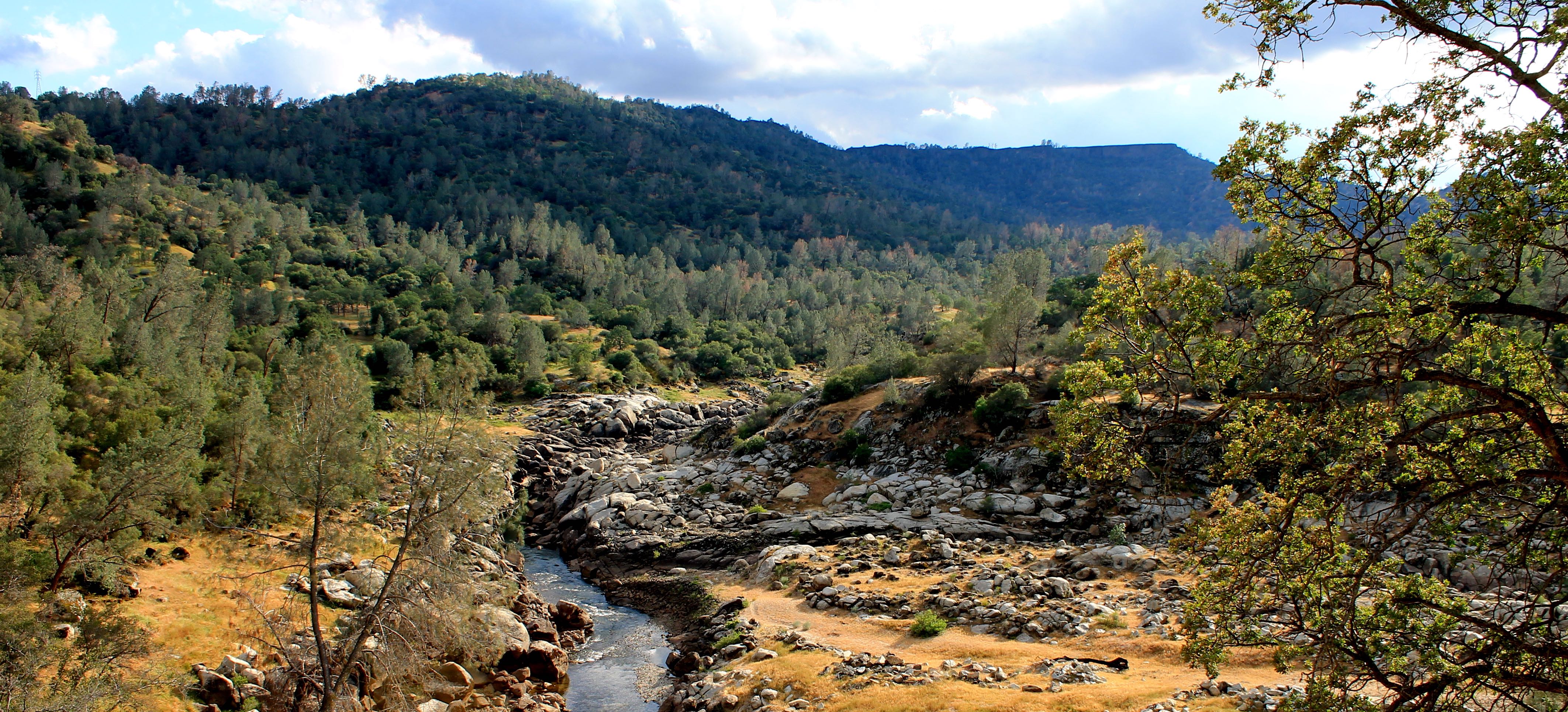
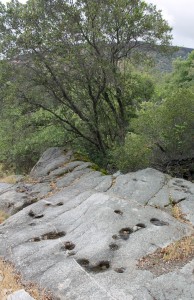
San Joaquin River Gorge Camping & Hiking Outing: Join Friends of the River as well as local river activists and residents to tour the magnificent San Joaquin Gorge. The section of the San Joaquin has been recommend for National Wild & Scenic status and is home to rare water-carved granite caves, Class IV kayaking runs, world-class horseback trails, and spectacular vistas.  Limited to 20 participants and free of charge. Participants are responsible for their transportation, camping and hiking gear, and food. For more information and to RSVP, please contact Steve Evans at sevans@friendsoftheriver.org  or call (916) 708-3155.

Central Sierra Nevada: Friday May 13 to Sunday May 15 

Merced Wild River and Potential Devil Gulch Wilderness: Family camping in a BLM campground on the Merced Wild & Scenic River near Mariposa. We’ll hike downstream to view a segment of the river and the surrounding Merced River Wilderness Study Area threatened by the proposed expansion of McClure Reservoir. We’ll also hike the Hite Cove Trail along the South Fork Merced Wild River into the potential Devil Gulch Wilderness. Limited to 20 participants and free of charge. Participants are responsible for their transportation, camping and hiking gear, and food. For more information and to RSVP, please contact Steve Evans at sevans@friendsoftheriver.org or call (916) 708-3155.

Sacramento: Wednesday May 18

California Rivers Day at the Capitol: Join FOR and dozens of other rivers groups and be the voice of your river!  Tables and booths representing rivers across the state and a noon program. Learn More at: www.friendsoftheriver.org/our-work/california-rivers-day Sign up to visit your legislator at:

Sacramento: Wednesday May 18

Capital River Awards: Friends of the River (FOR) is pleased to announce the Capital River Awards to celebrate our treasured rivers and promote their protection. This festive event is a great chance to re-connect with old friends and make some new ones over great food and wine just steps from the Capitol. The party will follow FOR’s California Rivers Day at the Capitol—a day of education, outreach, and activism promoting rivers and water conservation. To learn more visit: http://www.friendsoftheriver.org/support-for/capital-river-awards/

Coloma: Friday May 20 (first day of class)

River Advocate Training School (applications closed): The River Advocacy Training School (RATS) trains people to engage their community in issues that impact California’s rivers. The summer/fall cohort focuses on supporting the river programs during the summer and organizing an event in their community in the fall.

What is different about this cohort is that they start with either Basic Whitewater Guide Training or Flatwater to moving water canoe training and then use those skills to be a voice for California’s rivers on trips and outings.  The program culminates by early November. To learn more visit: http://www.friendsoftheriver.org/get-involved/river-rats

Southern Sierra Nevada: Saturday May 28 to Monday May 30

Kings River & Monarch Wilderness: Family camping in the beautiful Kings River Special Management Area in the Sierra Nevada foothills about 1.5-2 hours east of Fresno. We’ll hike the Kings River National Recreation Trail along a segment of the Kings River eligible for National Wild & Scenic River protection, and explore a potential addition to the Monarch Wilderness. Limited to 20 participants and free of charge. Participants are responsible for their transportation, camping and hiking gear, and food. For more information and to RSVP, please contact Steve Evans at sevans@friendsoftheriver.org or call (916) 708-3155.

Southern Sierra Nevada: Friday June 10 to Sunday June 12

Kern Plateau: Family camping in Horse Meadow Campground on the beautiful Kern Plateau, northeast of Kernville. We’ll explore potential additions to the Domeland Wilderness and hike along Salmon Creek, a potential Wild & Scenic River. Limited to 20 participants and free of charge. Participants are responsible for their transportation, camping and hiking gear, and food. For more information and to RSVP, please contact Steve Evans at sevans@friendsoftheriver.org or call (916) 708-3155.

Coloma-Lotus Valley: Saturday June 11, Sunday June 12, Saturday June 18 through Sunday June 26

Friends of the River’s Whitewater Raft Guide & Volunteer Training: As a guide you will have the opportunity to learn first-hand about California’s wild rivers, to get involved with the efforts to protect these wonderful waterways and to share your passion and knowledge with the public! Our Basic Guide Training is a course for those who are both new to boating as well as private boaters who are looking to get involved with the community and help spread the word about the rivers we love. Learn more and get the application at: http://www.friendsoftheriver.org/get-involved/become-a-guide/

Coloma-Lotus Valley: Saturday June 25 & Sunday June 26

South Fork American River: Friends of the River’s rafting & BBQ weekend
SAVE THE DATE: Registration to open soon!

Eastern Sierra Nevada: Friday June 24 to Sunday June 26

Eastern Sierra and Glass Mountain: Family camping near beautiful Lee Vining Creek, a potential Wild & Scenic River. We’ll visit a potential addition to the Ansel Adams Wilderness and hike in the potential Glass Mountain Wilderness. Limited to 20 participants and free of charge. Participants are responsible for their transportation, camping and hiking gear, and food. For more information and to RSVP, please contact Steve Evans at sevans@friendsoftheriver.org or call (916) 708-3155.

Coloma-Lotus Valley: Saturday July 16 & Sunday July 17

South Fork American River: Friends of the River’s rafting & BBQ weekend
SAVE THE DATE: Registration to open soon!


THE RIVER ADVOCATE IS PUBLISHED BY FRIENDS OF THE RIVER.

QUESTIONS OR COMMENTS – PLEASE EMAIL US AT:
INFO@FRIENDSOFTHERIVER.ORG.

The Deadbeat Dams Dance On…The River Advocate, Vol6 #2 March 25, 2016

The River Advocate
March 25, 2016
Vol6 #2

In this issue:

River Advocacy Training School – Apply By April 1
California Rivers Day – Visit Your Legislator
New Dam proposed for the Bear River
Just The Facts…FOR coordinates a storage response.
Intern with Friends of the River
River Currents
California River Calendar: Events & Activities


RATSLearn how to make a paddle more powerful for people and policy!

The FOR River Advocacy Training School leads the way.  Gain hands-on experience in community organizing and policy advocacy “FOR” the river!  Rafting and canoe training included. Apply by April 1st RATS.Application.Summer 2016.


Johnnie_Carlson_FOR_Operations_DirectorVisit Your Legislator on May 18 – Be the Voice of Your River!
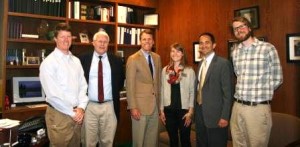
Johnnie Carlson, California Rivers Day Coordinator

On May 18 over two dozen river groups and businesses along with individuals just like you will descend on the state capitol in Sacramento to make our voices heard and our rivers known for California River Day at the capitol! This fun, exciting, and empowering day will bring river advocates and citizen activists from all across California together to celebrate our rivers and to continue building a powerful river protection movement.

Katherine Evatt speaks to the pressFOR will be scheduling legislator visits for participants with Assembly and Senate leadership and key committee members, as well as with legislators representing our threatened rivers and river organizations present from 10:00 am to 5:00 pm that day. Participants will travel and visit legislators in teams and each will be set up to include experts, advocates, employers, and citizens from each member’s district. In addition to discussing pending legislation, we will be presenting legislators with a set of positive proactive solutions to increase California’s water supply though conservation, water recycling, and more. Lastly we will be inviting legislators and their staff to come join us on river and get to know more about these treasures of California.

FOR meets with Senator Ted GainsEven if you have never lobbied or visited a legislator, FOR has you covered – we will hold pre-event training calls on legislative visits and river issues. Additionally, we will have Participants start the day at our Legislative Breakfast to get presentations on the key issues and do practice sessions in the same teams you will be meeting legislators with later in the day.  Most groups will have between 3 and 4 visits pre-scheduled and do 1 or 2 drop in visits. We can accommodate folks who can make all or just part of the day. If you would like to attend please sign up today!
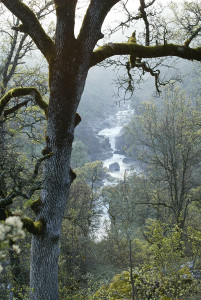
If you are with an organization or business – you can build your own teams and FOR can help plan, request, and coordinate your visits. For more information about how your business or organization can attend and participate please email us at jcarlson@friendsoftheriver.org or call (916) 442-3155 ext 211.


140F3598New Dam Proposed on Bear River
Otis Wollan, American River Watershed Institute – Special to the River Advocate

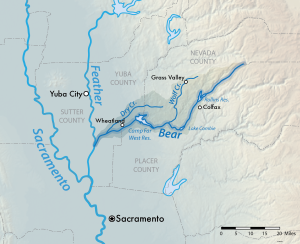
New dam proposals are proliferating around the state as a result of Proposition 1, the 2014 “drought initiative” that appropriated $2.7 billion for new storage. The newly proposed Centennial Dam on the Bear River near Auburn is a prime example. In a bizarre twist, this dam, first proposed in 1926, is being championed as a “climate change solution.” The proposed dam would inundate one of the last remaining natural seven mile reaches of the Bear. The first public comment period of the Environmental Impact Statement process is open until April 18 (see below).

The project was first proposed nearly a century ago as a “debris dam” when State money was made available to dam building for the purpose of stopping the silt from hydraulic mining from flowing into the Bay Delta system. It was the era that produced dams like Englebright Dam on the Yuba River, and Clementine Dam on the American River. At that time, the project was called Parker Dam by the Nevada Irrigation District (NID, located in Grass Valley/Nevada City). At that time, the project was rejected for funding.

Again in the 1950’s dam-building flurry, the Parker Dam was considered as a water and power supply project. NID built Rollins Dam further upstream, and rejected the Parker Dam again.

HH9H9840Today, the Parker Dam is re-branded as Centennial Dam, and is being touted as the first in a new wave of “environmental dams” built to protect California from the threat of climate change, “enhance the area’s environmental and recreation needs,” and promote “sustainable agriculture” (from NID’s website http://www.centennialreservoir.org/). In fact, the project completely misses the mark relative to climate change, would destroy one of the richest oak woodland habitats in the mid-Sierra, inundate CA Department of Fish and Wildlife lands that are protected as the Placer County’s Bear River Campground as well as BLM lands and Pacific Lands Stewardship Council lands now protected by the Placer Land Trust, threaten the American Sub-basin groundwater supply, and destroy a popular Class II kayak run.
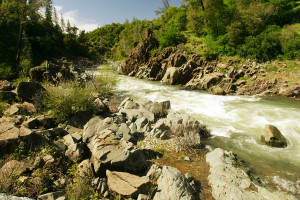
To join with Foothills Water Network in opposing this project, go to www.SaveBearRiver.com to learn more and take action now.

IMG_1023Save Bear River events

Become a friend of the Bear River! Several upcoming events will connect you with the river, and with the community of groups and individuals that are working to save the Bear River.

Day hikes, tours and a “mini-environmental fair” are scheduled for Saturday April 2 and Sunday April 3 at the Bear River Campground near Colfax. See www.SaveBearRiver.com Family camping is also available, with no fee, on April 2-3.

Comment letter orientation meetings for the first public EIS process on Centennial Dam are being held April 10 and April 12 in Nevada City, April 11 in Colfax, and April 13 in Auburn. See “action steps” at www.SaveBearRiver.com

Put some skin in the game. Become engaged in the process by writing a comment letter as the first step in the Centennial Dam Environmental Impact Statement. Comment period ends April 18, 2016. Attend an event or meeting above, or get the letter writing guide and issue overview at: http://yubariver.org/issues/nids-centennial-dam-proposal-for-the-bear-river, or
www.SaveBearRiver.com


Just The Facts…FOR coordinates a storage response
Johnnie Carlson, Operations Director

With a multitude of proposals for new or expanded dams in California and the need to prioritize the most sustainable and efficient alternatives, Friends of the River is joining together with participants from 20 river and river related organizations and getting to work. Starting in November of 2015 with an in-person brainstorming and strategy session, the goal of the group is to investigate the facts behind each project and develop unified responses where we can come together. There are 7 new storage projects currently on the table (north-to-south: Shasta Dam raise (Sacramento & McCloud Rivers), Sites dam in Antelope Valley (off-stream & Sacramento River), Centennial dam (Bear River), San Luis Dam raise (off-stream), Los Vaqueros Dam raise (off-stream), New Exchequer Dam raise (Merced National Wild & Scenic River), and Temperance Flat dam (San Joaquin River Gorge).

In addition to a dozen or so local citizen river advocates, the group consist of policy representatives of 20 organizations so far including: The Sierra Club, The Bay Institute, American Whitewater, American Rivers, Sacramento River Preservation Trust, Clean Water Action, Trout Unlimited, Cal Trout, Winnemem Wintu Nation, Big Sandy Rancheria Nation, Defenders of Wildlife, Planning & Conservation League, The Nature Conservancy, Natural Resources Defense Council, the River Exchange, Butte Environmental Council, Hydropower Reform Coalition, and the San Joaquin River Parkway & Conservation Trust, The San Joaquin Valley Leadership Forum, and Friends of the River.

The group is developing revised project fact sheets for the proposed new or expanded dams as well as menu of alternatives for our state’s leaders that can put us on the right path to sustainable water for all Californians. The group has held its first legislative briefing (March 4th) for about 20 capitol staffers, will be a part of FOR’s organizing for California Rivers Day, and is planning outings to the impacted rivers for media, politicians, and local citizens. If you or your organization is interested in learning more about the group please email or call us at: jcarlson@friendsoftheriver.org or 9916) 442-3155 ext 211.


logoInternship & Volunteer Positions at Friends of the River

FOR has policy, outreach, office, and river internships, and volunteer positions open year round.  FOR is active in river and water policy and drought issues statewide and has one of the few in-house legal teams in the nonprofit community. We run an active outreach and river rafting program as well as maintain our primary office in midtown Sacramento. We are actively seeking a communications/social media intern as well as a video/social media intern to help build our website, YouTube channel, and help us get the word out about the rivers of California.

To apply or for more details on positions and opportunities currently open feel free to give us a call or email us at the contact information below.

Friends of the River is widely recognized as an authority on the impacts of dams, industrial and agricultural operations and land use policy on rivers and riparian habitat. FOR was founded in 1973 during the struggle to save the Stanislaus River from being destroyed by the construction of New Melones Dam. FOR went on to become California’s only statewide river conservation group, dedicated to preserving, protecting, and restoring California’s rivers and their watersheds. Today, FOR has five full-time staff, a cadre of 100 plus volunteers, and a robust membership.

FOR has a long list of accomplishments that includes permanently protecting more than 2,100 river miles as Wild & Scenic rivers, repeatedly defeating federal legislation to build Auburn dam on the American River, and convincing Congress to authorize an environmentally protective flood control project for Sacramento in 2003. FOR achieves these goals through public outreach, grassroots organizing, and expert advocacy to influence public policy. FOR also supports vibrant volunteer rafting and canoeing programs that connect hundreds of people to rivers, and introduces inner city youth to boating.

Questions: Email info@friendsoftheriver.org or call us at (916) 442-3155 ext. 211

To Apply: Send cover letter, resume, and 2-3 page writing sample to info@friendsoftheriver.org or fax to (916) 442-3396.  FOR is an Equal Opportunity Employer.


river-advocate-8-ron-storkRiver Currents
Ron Stork, Policy Director

The Deadbeat Dam Report

Friends of the River is working to manage a small handful of large deadbeat dams that hope to be supplicants for the California Water Bond (Proposition 1) $2.7 billion in funding to be doled out by the California Water Commission. It’s good to have a status report from time to time. So here we go.

California Water Commission

The California Water Commission has promulgated some draft regulations on how it intends to select projects to receive the Water Bond taxpayer subsidies. The regulations are called Water Storage Investment Program Quantification Regulations, which is quite a mouthful.

The regulations have to implement the Water Bond, so they’re not very pretty. Basically, supplicants develop a rationale that the dam is being built, in whole or in part, to achieve public benefits (recreation, flood control, emergency response, and ecosystem and water quality improvements). The Commission then screens and reviews their application, gets an independent panel to do the same, ranks them, awards money to apply for permits (up to 10% of the capital cost of the project), conditionally awards them construction money, then gives them the money when they have their environmental impact report done, their permits in hand, and the will and the finances to build the dam.

No more than 50% of a project can be funded with Water Bond money (except for dam reoperation projects — no limit there) but at least 50% of the public benefit has to go for ecosystem restoration, the latter being pretty easy to cook up now that dams aren’t being built for water anymore (so they say), Yes, the traditional beneficiaries aren’t going to pay the costs for so little new water, so they’ve got to come up with something.

Before money is awarded, the public will have the opportunity to tell the Commission that the supplicant is just making up a story that the project has significant public benefits. Whether they will believe us when they have $2.7 billion burning a hole in their pockets, I don’t know. But we and you should make the effort.

Our comments on these regulations are posted here and should be soon on their website.

More on the process can be found here: https://cwc.ca.gov/Pages/QuantificationRulemaking.aspx

burney fallsShasta Dam raise

Outside of the Westlands Water District and Metropolitan Water District of Southern California Board rooms, this project just gets no respect.

It’s illegal under state law for the state or the districts to participate in this project. The Water Bond and its regulations don’t allow Water Bond funding for it. In fact, it’s illegal under current federal Reclamation law because it’s illegal under state law. And there’s some Native Americans who aren’t too happy about the proposed raise either.

That said, the previously mentioned Districts do have juice in the legislature and the Congress — and laws can be changed. But for now there is no organized state sponsor for this project.

But the project does have a final federal environmental impact statement (EIS) (although with no recommended alternative), and the Feinstein “drought” bill (S.2533) does purport to let the Secretary of the Interior “authorize” the project on her own, although the project has to be lawful. Alas, Lord knows what the bill will say if it is conferenced with the House of Representatives.

Friends of the River has prepared a twelve-page detailed memo on why the Department of the Interior finds itself stymied to pull off this project. It’s an interesting read, providing some detail into why this is just another deadbeat dam, unworthy of the $1.3 billion that might get spent on it.

You might want to share it. Our fact sheet too.

SLWRI unresolved issues memo – Feb 24 2016

Shasta Dam Raise Fact Sheet 3-2-2016

IMG_1599.JPG copyTemperance Flat Dam

This proposed 655 ft. tall. concrete monolith damming the San Joaquin River gorge has lots of salesmen in the Fresno era who believe their own con job.

They have formed a joint powers authority, the San Joaquin Water Infrastructure Authority, to receive a billion or two to finance half of it, along with a huge helping hand from the federal government. (Incidentally, it would be great to have a volunteer watch their board meetings the second Friday of the month at 9:00 a.m. at 2907 Maple Ave in Fresno). Of course everyone who is anyone in the Fresno area appears to have taken a loyalty oath to be a project booster.

It’s no surprise that Senator Feinstein is also a project booster. Her “Drought” bill authorizes the Secretary of the Interior to begin with construction if it passes her review.

This dam does not have a completed federal EIS, although one is “scheduled” to be completed this month, so we don’t have quite the same lovely memo on the problems with this dam, at least using the Department of the Interior as our source.

But the proposed dam does have its problems. Here’s a few.

1) There are no water rights left on this river; well, the dams and canals already have demonstrated their ability to keep this river downstream dry as a bone year in and year out. And you can’t legally build and operate this project without water rights. Well, unless you break the law and take water from someone else or other purpose.

2) To generate enough revenue to make the project slightly above laughable, the project sponsor, the U.S. Bureau of Reclamation, offered to sell the water to the highest bidder, which usually means folks south of the Tehachapis. The good folks around Fresno will not get this water, water that now flows to farms and cities along the east side of the southern San Joaquin Valley.

3) To get money to pay for public benefits from the Water Bond, you’re supposed to have some public benefits. Some are going to be pretty hard to justify, although Reclamation has worked hard to spin some stories. But, mostly, no matter how you slice it, the good folks around Fresno don’t get this water either.

4) The dam will make a lot of water that now flows into the fields and sinks into the sand around Fresno much more expensive. It’s not clear that farmers around there will buy expensive water. See what I mean about believing their own con job?

5) The San Joaquin River gorge is a pretty nice place now (see it this Spring!), and the Bureau of Land Management has a completed EIS and Record of Decision recommending that it be made a national wild and scenic river. Secretary of the Interior Jewel needs to take note of that.

So for now, the fate of the dam is in the hands of the politicians to figure out ways to create a fantasy world in which the dam could thrive. Maybe they can, maybe they can’t. But the real world can be hard to ignore sometimes. Oh, and maybe the river’s friends can help with that.

TFD Fact Sheet 3-2-2016

SueGraueSitesSept2013_8051 compressedSites Dam and Reservoir

This is a large offstream reservoir that would be supplied with canal diversions from the Sacramento River.

It’s kind of pricey, the L.A. Times quoted federal sources that the latest cost estimate was $6.3 billion dollars, $2.5 billion more than a previous estimate, but it isn’t obviously illegal to build and operate, at least at this time. Faint praise, of course.

It’s also the California Department of Water Resources’ (DWR) favorite dam project, and DWR seems interested in moving it forward. They’ve mostly been waiting for the local farming districts to form a joint powers authority (which they’ve done) to help to fund (which they hope to do) a draft environmental impact report for the project, which DWR has already mostly completed (at least in DWR’s view).

Without a stable project description, the project is in the sales phase of existence, where its boosters can claim almost any project accomplishment — and do. The dam boosters job is to sell the project so well that when the real accomplishments become evident, it will be too late for buyer’s remorse. It could be a winning strategy.

It’s hard to pierce the many veils surrounding this project, but it has been rumored that its principal intended customer (with all due deference to the locals), the Metropolitan Water District of Southern California, wants to hold off on this project for now until they know if they can build the tunnels under the Delta to move this water safely and securely (from their perspective) under DWR’s and the Kern Water Bank’s supervision to the state’s southland. They hope to know whether the tunnels will be permitted (and financeable) by the end of this year.

Sites Fact Sheet FOR 8_8_13 2015 rev2

Bear_river_ca_mapCentennial Dam

Although Sites dam, if built with a 43% contribution from the California Water Bond, would suck up the entire bond, the Bond has attracted small $300 million dollar dam projects too.

The Nevada Irrigation District (NID) is moving quickly to complete an environmental impact on a mere 240 ft. tall dam on the Bear River (that’s the river between the American and the Yuba). See an announcement elsewhere about going to a scoping meeting.

NID is maneuvering to get a relatively superior water right, the Congress to transfer the federal land around the project to them, and a Corps of Engineers streambed alternation (I’ll say!) permit for now — and later adding a hydroelectric project with an exemption from the Federal Energy Regulatory Commission’s licensing process available for already existing canals and conduits (Pretty sly, eh?).

They couldn’t pull this one off without some big financial subsidies from the Water Bond, as well as finding some wealthier customers to sell their water too. A lot of folks are watching this to see if NID can pull this one off. And there’s some folks who are not just watching. As I’ve said many times before, democracy should not be just a spectator sport.


river otter standingCalifornia River Calendar: You Otter Go To Some River Events & Activities!

Got an item for the California River Calendar – email us: info@friendsoftheriver.org Keep it short and include the city, date, and a link to learn more or sign up.

Colfax: Saturday April 2 & Sunday April 3

Foothills Water Network – Become a Friend of the Bear

Become a friend of the Bear River! Several upcoming events will connect you with the river, and with the community of groups and individuals that are working to save the Bear River.  Day hikes, tours and a “mini-environmental fair” are scheduled for Saturday April 2 and Sunday April 3 at the Bear River Campground near Colfax. See www.SaveBearRiver.com Family camping is also available, with no fee, on April 2-3.

Sacramento: Saturday April 9

American River Parkway Foundation’s Spring Clean-Up

Join the ARPF at one of 8 clean-up sites along the Lower American River. For more information visit www.arpf.org

Sacramento Valley: Saturday April 16

River to Valley: A tour of the impacts of the proposed Sites reservoir near Colusa

Join FOR and the Sacramento River Preservation Trust for a single-day land tour of the proposed intakes sites on the Sacramento River and reservoir site that would drown the Antelope Valley – one of the few remaining examples of intact California prairie.  To get details or RSVP please visit the registration page.

Grass Valley: Thursday April 21
SYRCL’s State of the Yuba

SYRCL has scheduled its 3rd annual “State of the Yuba” on April 21 to report to the citizens of the Yuba watershed the condition of the river, outline SYRCL’s priorities for the coming year, and most importantly, enlist all river lovers in the protection and restoration of the Yuba.  This FREE event is for all members of the community who care about the Yuba River and want to know more about SYRCL’s efforts to protect the watershed.  Bring your appetite and a reusable pint or glass, because we will have wine, Three Forks Bakery & Brewing Co. beer and tacos from Fatbelly Taqueria available for purchase.

Doors will open at 5:00 pm for an open-house format with time for you to speak with SYRCL staff and two of SYRCL’s partners, the Foothill Water Network and The Sierra Fund.  The program will begin promptly at 6:00 pm. More information at: http://yubariver.org/annual-events/state-of-the-yuba/

Los Angeles: Saturday April 16, Saturday April 23, and Saturday April 30

Friends of the Los Angeles River’s Great Los Angeles River Clean-Up!

The Great Los Angeles River Clean-Up is the nation’s largest urban river Clean-Up drawing thousands of volunteers to fifteen sites over three weekends in April. This Earth Month do your part – go to http://folar.org/cleanup and sign up!

Fresno-Aubrey: Saturday April 30 and Sunday May 1

San Joaquin River Gorge Camping & Hiking Outing

Join Friends of the River as well as local river activists and residents to tour the magnificent San Joaquin Gorge. The section of the San Joaquin has been recommend for National Wild & Scenic status and is home to rare water-carved granite caves, Class IV kayaking runs, world-class horseback trails, and spectacular vistas.  To get details or RSVP please email: info@friendsoftheriver.org.

Sacramento: Wednesday May 18
California Rivers Day at the capitol

Join FOR and dozens of other rivers groups and be the voice of your river!  Tables and booths representing rivers across the state and a noon program. Learn More at: www.friendsoftheriver.org/our-work/california-rivers-day Sign up to visit your legislator at:

Sacramento: Wednesday May 18
Capital River Awards

Friends of the River (FOR) is pleased to announce the Capital River Awards to celebrate our treasured rivers and promote their protection. This festive event is a great chance to re-connect with old friends and make some new ones over great food and wine just steps from the Capitol. The party will follow FOR’s California Rivers Day at the Capitol—a day of education, outreach, and activism promoting rivers and water conservation. To learn more visit: http://www.friendsoftheriver.org/support-for/capital-river-awards/

Coloma: Friday May 20 (first day of class)

River Advocate Training School (applications due April 1st)

The River Advocacy Training School (RATS) trains people to engage their community in issues that impact California’s rivers. The summer/fall cohort focuses on supporting the river programs during the summer and organizing an event in their community in the fall.

What is different about this cohort is that they start with either Basic Whitewater Guide Training or Flatwater to moving water canoe training and then use those skills to be a voice for California’s rivers on trips and outings.  The program culminates by early November. To learn more visit: http://www.friendsoftheriver.org/get-involved/river-rats


THE RIVER ADVOCATE IS PUBLISHED BY FRIENDS OF THE RIVER.

QUESTIONS OR COMMENTS – PLEASE EMAIL US AT:
INFO@FRIENDSOFTHERIVER.ORG.

Friends of the River at UC Berkeley

DakotaFriends of the River at UC Berkeley
BY Dakota Goodman, River Advocate
Friends of the River

Dakota is one of the inaugural class of FOR’s River Advocate Training School. Based at the UC Berkeley campus, Dakota is organizing both on campus as well as in the surrounding community. To learn more about the River R.A.T.S program which is currently accepting applications for the Summer-Fall 2016 class click here.

If you have ever spent time on or near a river you understand the magical renewal these places provide.

Near the end of the 1960’s the new era of modern conservation and environmentalism emerged. Raised awareness of the impact human infrastructure was having on the natural world spurred protests of dam projects. Friends of the River was founded as Mark Dubois lead the fight to save the Stanislaus from being dammed. Despite tremendous efforts and life threatening protests, the Stan was still dammed.

IMG_0101-768x1024

Friends of the River is a grassroots activism organization that has survived the turmoil of the later twentieth and early twenty-first century. I am part of the new River Advocacy Training school that was established to spread the message and legacy of FOR throughout California. I am creating a Friends of the River club on the UC Berkeley campus to raise awareness around local, state, national and international watersheds. The main concentration is on saving and restoring the California Rivers. By saving the rivers that have not yet been dammed and restoring the ones that have, we will save and restore natural habitat, tribal land, healthy watersheds and a balanced ecosystem.

There are three main proposals concerning dam building in California in 2016. These proposals concern Shasta Dam and the three rivers flowing into this dam site, the Merced River, and Temperance Flat Dam/Sites Reservoir. Californian’s have saved more water since the drought was officially declared by fixing leaks, using less water and being more aware, than these dams will provide. We have a water management problem, not a water resource problem.

IMG_0602-1024x768To spread the message about these dams, I am creating a club and hosting a series of events on the UC Berkeley campus. This past Saturday, we partnered with the Strawberry Creek Collective Interns and the Berkeley Project in an educational and restoration event in the pouring rain. Student volunteers learned about the local watershed, Strawberry Creek, and the issues surrounding the threat to state watersheds in 2016. To help preserve and restore our local watershed, three projects were tackled and successfully completed. Invasive species removal, planting of natives and trash pick up occurred in the Grinnell Natural area and surrounding areas.
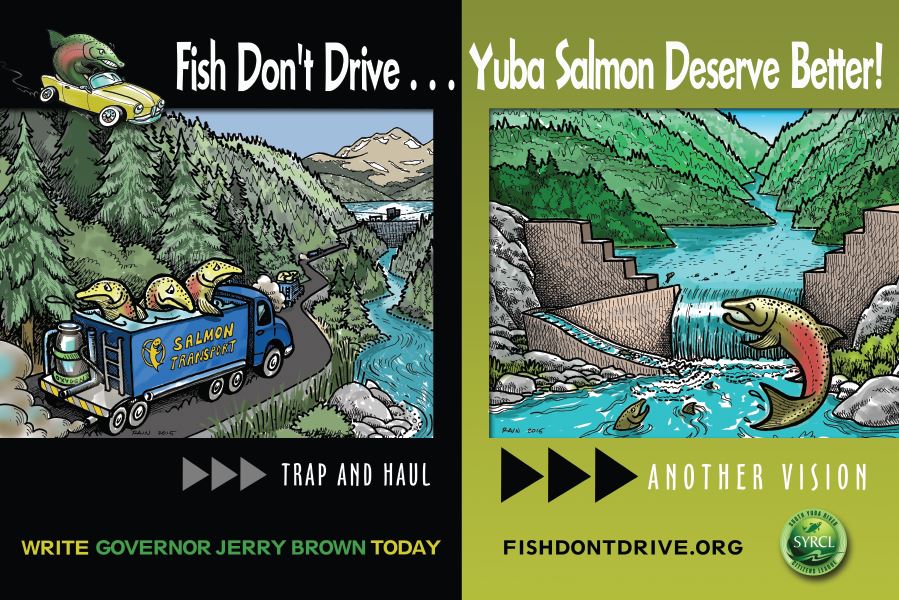

Exciting projects have been held and there are more to come! FOR at UCB will be involved in earth week at the end of April and will continue to host more events. The goal is to spread awareness and education to anyone interested. The best way to protect and fight for something is to fall in love with it. I highly encourage everyone reading this to go to a flowing body of water, close your eyes and just take a deep breath. Your inner hippie will be deeply gratified.

All Images: South Fork American River, January 2016 – Dakota Goodman photographer

Fish Don’t Drive… Yuba Salmon Deserve Better!

We all know that wild salmon and steelhead trout are in jeopardy of extinction.

Some people say that the only way to save wild salmon is to drive them in gas-guzzling trucks around the dams that block these fish from reaching miles of historic spawning habitat.

FOR & SYRCL says, “Fish don’t drive. Yuba salmon and steelhead deserve better.”

Unfortunately, a short-sighted plan for our river is gaining traction among California decision-makers. It recommends trapping and trucking salmon around dams, both to and from the North Yuba River. With an estimated price tag of $700 million, this “trap & haul” plan is a questionable means of restoring salmon, and would take at least 20 years to implement, even then doing nothing to benefit steelhead trout.

Wild salmon are born to swim, not ride in trucks. This is why we need your help.

Please sign this letter to Governor Jerry Brown and U.S. Commerce Secretary Penny Pritzker. It urges them to ask state and federal agencies to look for a long-term sustainable plan for volitional fish passage on the Yuba and immediately support large-scale salmon habitat improvement projects on the lower Yuba River.

We’re advocating that decision-makers examine the best available science to develop a fish passage plan that allows salmon and steelhead to get by the dams on their own – one that benefits the health of the entire Yuba River watershed.

Plus, we can act now to save salmon. Miles of defunct river land could be transformed into vital fish and wildlife habitat. If we could implement these critical, on-the-ground restoration projects within the next few years on the lower Yuba, then the wild fish population could grow — imagine thousands more wild salmon knocking at the door of Englebright Dam in just 10 years!

Fish_Meme_Final_Color_lrg_topcrop-282x300Wild salmon can be saved from extinction and the Yuba is the best opportunity for restoration. SYRCL is poised to spearhead this effort, but we need your help to create the political will in Sacramento to secure the funding and get to work.
You can help by signing on to this letter to Governor Brown and Secretary Pritzker.

With FOR’s & your support, SYRCL will lead the efforts to restore thousands of acres of habitat in the lower Yuba River, and bring public pressure to find sustainable ways to reconnect the lower Yuba to the upper reaches so salmon may return home on their own.

See a map of the proposed Trap & Haul plan.

Yuba Salmon FAQs.

River Advocate Vol 6 #1 March 10, 2016

The River Advocate
March 10, 2016
Vol 6, #1

In this issue…

A New Website for FOR
River Rats: Now Recruiting!
Capitol River Awards on May 18
2nd Annual California Rivers Day
River Currents by Ron Stork


Johnnie_Carlson_FOR_Operations_DirectorA New Website!
Johnnie Carlson, Operations Director

On January 30th Friends of the River moved to a new WordPress website and began using Constant Contact for our email communications with you. We made the move for a number of reasons including making our website responsive so you can easily view and use it on your smart phone or tablet. We are now working with an easier to use open-source web platform so all our staff can add content and volunteers can now help build our site as well. We have incorporated a blog and plan to roll out new functions and content over the next few months – so stay tuned. The new site is not only more functional and easy to use – it is on its way to helping FOR save money too!

Check it out and we welcome any and all your feedback as we work to further improve the site for people who love California’s rivers just like you!

PS We are looking for volunteers to adopt and build a page for each river in California – if you would like to help or know someone who would – let’s get in touch – email me at jcarlson@friendsoftheriver.org.


Tobb_Briggs_FOR_Engagement_Coordinator2River Rats – FOR Opens Recruitment for Our 2nd Class – Applications Due April 1st
Toby Briggs, Engagement Coordinator

FOR is building a more powerful grassroots base this year by launching a new River Advocacy Training School and we are now accepting applications for our second class for 2016. The six-month program trains and empowers the next wave of advocates (that’s you), to be leaders in river protection and sustainable water policy in California. We are recruiting talented college students, community activists, and staff from other river-related organizations in California to join this select team. The next class starts May 2016 and applications are due to FOR no later than April 1, 2016.

river-ratsRiver RATS will learn about water policy, grassroots organizing, river ecology, and natural history from experts in the field (meet the trainers) through two 3-day trainings at Camp Lotus along the beautiful American River. They gain valuable hands-on experience by organizing events and activities to engage people in the river protection movement. River RATS attend FOR’s Guide School to become a whitewater rafting guide or canoeist.  With this background, River RATS support the programming during the summer. In the fall, River RATS use these skills to create event(s) in their communities.  See the River RATS webpage to discover what kind of RAT you could be!

Meet the Students in the Winter 2016 Class                                          Learn More/Apply


Mandi_Garcia_FOR_Development_DirectorCapital River Awards
SAVE THE DATE – May 18, 2016
Mandi Garcia, Development Director

Friends of the River (FOR) is pleased to announce the Capital River Awards to celebrate our treasured rivers and promote their protection. This festive event is a great chance to re-connect with old friends and make some new ones over great food and wine just steps from the Capitol. Join us for a fun and inspiring evening to honor and recognize Senators, Assemblymembers, other state and local officials, and long-time river advocates for their work to protect California rivers. We will also be celebrating our hard work at California Rivers Day at the Capitol — a day of education, outreach, and legislator visits to emphasize the importance of protecting rivers through smart and sustainable water management. This party is sure to be a
great time! You don’t want to miss it!

What: 2016 Capital River AwardsSupport-FOR-contribute-5
When: Wednesday, May 18th
5:30 pm to 7:30 pm
Where: Capital Plaza Ballrooms
1025 9th St., Sacramento, CA 95814
Why: A great gathering of river-loving folks celebrating California’s rivers and the people working to protect them!

If you have questions, please contact us at:  capra@friendsoftheriver.org or call us at 916-442-3155 ext. 214.


Eric_Wesselman_FOR_Executive_Director2nd Annual California Rivers Day at the Capitol in Sacramento: May 18, 2016
Eric Wesselman, Executive Director

Join Friends of the River and over two-dozen other river groups and businesses to celebrate the 2nd annual California Rivers Day—an education, outreach, and activism event featuring rivers at the State Capitol.  Our goal is to continue expanding the river protection movement in California because rivers need a stronger voice in the halls of power. The severe and persistent drought has unleashed an intense push to take us back to the era of big dam building and weaken protections for our waterways.

This day will bring at leasFOR meets with Senator Ted Gains t two-dozen river groups, businesses, and dozens more individual activists like you together from across the state, along with our supporters, to convey the magic of rivers and sustainable water solutions.  The day begins with a Legislative Breakfast followed by the California Rivers Fair at the Capitol coupled with a press conference and meetings with legislators. That evening we’ll celebrate our hard work at the Capital River Awards just steps from the Capitol (Scroll to the bottom for the highlights of the day).

brian kallen gets some TV timeYour participation will give the day greater statewide impact. Our unique political power as people who care about and speak for our rivers is our statewide presence—there are rivers,
creeks, or streams in every legislative district in California along with people just like you who care very deeply about these treasures. This day will bring our message to our state’s leaders.

Katherine Evatt speaks to the pressI truly hope you will be able to join us to celebrate our rivers and educate decision makers. It’s time for all of the rivers of California to make their presence known in the halls of the State Capitol and we would be honored to have you participate. If you would like to get on our invite list or would like more information email Johnnie Carlson, California Rivers Day Coordinator at jcarlson@friendsoftheriver.org or call us at (916) 442-3155 ext 211.

river-advocate-8-ron-storkRiver Currents
Ron Stork, Policy Director

Klamath River, A Light at the End of the Tunnel

As we’ve noted before, the near consensus for many years that four of the Klamath River dams (J.C Boyle, Copco 1 & 2, and Iron Gate) need to come down did not include the GOP-led Congress. Unfortunately, the agreement to take them down required an act of Congress. Well, no help there.

But finally, late last year the California Water Resources Control Board decided that everyone had waited long enough and resumed its part of the dam relicensing process that could result in the removal of these dams. It promises a draft environmental impact statement in 2016 with a final in 2017. There’s reason to hope that it will be a good one. (See some comments from some of the good guys on what should be in it: FOR Klamath commentsSierra Club Klamath comments – KHP Scoping Comments (Conservation Groups))

The Klamath River is a key California watershed. Reduced flows and poor water quality from Federally irrigated farms upstream, as well as the downstream dams, have hammered its fishery during droughts of the last two decades.

In some of those years, there have been season closures and harvest restrictions of the nearby ocean Chinook and coho salmon sport and commercial fisheries. In-river Chinook and coho salmon sport fisheries and Native American commercial and subsistence fisheries were similarly affected.

klamath map

Hydro on Steroids?

For years Friends of the Rivers and a small group of colleagues from other conservation groups have labored to change the rules (and even the existence itself) of dams being relicensed by the Federal Energy Regulatory Commission (FERC). That’s pretty much every dam that generates hydroelectricity except for dams owned by the Federal government.

For most of this time, the dams and diversions being relicensed in California’s Sierra Nevada have been in the mountains, isolated from the ocean-going salmon and steelhead trout that once may have spawned there by the great dams and their afterbays perched on the rim of Sierra foothills above the Great Central Valley.

Some of these rim dams are under the jurisdiction of FERC, and now dams on the Yuba, Tuolumne, and Merced are undergoing relicensing. These dams control what water flows into rivers in the Valley and what water flows into fields and cities.

At the same time, the State Water Resources Control Board (SWRCB), implementing both state and federal law, is undertaking an update of the state’s water-quality control plan for the Sacramento-San Joaquin River Delta, which obviously involves the rivers that feed into it. And both the legislature and the Governor want the Board to update the state’s regulation of rivers tributary to the Delta.

For the last few months, the state’s Natural Resources Agency has been asking federal agencies, water districts, and environmental groups active in FERC relicensings and SWRCB proceedings to join with state agencies and see if we can figure out how to resolve the outstanding issues of flow and the success of fisheries important to the state on rivers and streams tributary to the Delta and the Delta itself. In 2016.

Yep, 2016. That will be a tall order. Perhaps a foolhardy errand given the history of California water. But so far no one has said no. Stay tuned, but if you care about a big Central Valley River, it’s probably time to get engaged and in the loop. After all, rivers need friends.

Feinstein Moves to Authorize the Big (and little) Dams

Senator Feinstein has long believed that California can continue to dam its way to Paradise and make the deserts bloom. All it takes is some subsidies.

So her “drought” bill to complement the subsidies for dams in the recent California water bond (Proposition 1) has been much anticipated — with lust in their hearts by some and dread in others of a more river-friendly persuasion.

Her bill (S.2533) does not disappoint. She would authorize the Secretary of the Interior to participate in any federal water-storage project for which 50% of the funding is provided by others (to match the maximum funding for many types of projects in the California water bond) and meets other requirements of the bill. It permits the Secretary to fund any water storage projects by others up to 25% if requested by the governor of a state (and other bill requirements). And it establishes a new Federal bank administered by the U.S. Bureau of Reclamation to compete with the existing (and presumably more careful capital markets) in financing water projects.

As a start, S.2533 gives the Secretary $600,000,000 dollars of authority and $200,000,000 of working capital for the new bank.

It’s a radical bill. It breaks traditional notions of which projects are authorized and which are not (Congress used to do that), as well as provide Federal financing for purposes that are unexamined by the Congress.

This bill could move through the Senate, perhaps included in Alaska Senator Lisa Murkowski’s omnibus western water bill, then be married to an even worse House “drought” bills.

If passed, we better pray for a string of good Secretary of the Interiors (reminding us that elections really do matter).

Oh, and the bill also invents a novel way to “pay” for the projects — deauthorizing previous dormant federal projects such as Auburn dam (although that’s a good idea!), projects for which the Federal government did not currently intend to spend money on. It’s like paying for some luxury yacht by not buying an even more expensive one. Might work in your mind but not in your bank account.

The Senate held hearings last week; we weren’t invited to testify, of course. It would have created some dissonance (and some sparks) if we could have had a voice there. Perhaps that’s why we weren’t invited.

Of course, that doesn’t prevent you from talking to the Senator or your Congressman or your local newspaper editor or…the list can go on. The world is not run by timid people.

(For a deeper dive into components of this bill, see my candid memo, a copy of the bill, and my memo on the troubles that Reclamation believes face its proposed Shasta Dam raise.)


The River Advocate is published by Friends of the River. Questions or comments – please email us at: info@friendsoftheriver.org.

The San Joaquin River Gorge – A Potential Wild & Scenic River Threatened By A Dam

by Steve Evans, Wild Rivers Consultant

The San Joaquin River flows through a spectacular gorge in the Sierra Nevada foothills northeast of Fresno. More than 6,000 acres of the Gorge is public land managed by the Bureau of Land Management (BLM).  An extensive trail system provides access to the Gorge for hikers, mountain bikers, equestrians, hunters, wildlife and wildflower aficionados, and class IV-V whitewater kayakers. One of the few publicly owned recreation areas in the lower foothills of Fresno and Madera Counties, the Gorge also features three campgrounds, an outdoor environmental education classroom, and a small natural history museum. The Gorge is a popular outdoor recreation destination for more than 85,000 visitors annually.

BLM’s San Joaquin River Gorge Management Area is located just upstream of the existing Millerton Reservoir and Friant Dam. A short 45-minute drive from Fresno via Highway 168 and through the small town of Auberry brings visitors to this delightful area. Granite rock outcrops punctuate the oak woodlands, meadows, and chaparral of the Gorge, which is probably best known for its gorgeous spring wildflower display. This habitat supports a wide range of wildlife, including mule deer, bear, mountain lion, waterfowl, and more than 24 sensitive, threatened, or endangered species.

IMG_1586.JPG

Miles of trails provide access to the Gorge and its surrounding uplands, including the Wu Ki’ Oh National Recreation Trail and a segment of the San Joaquin River Trail proposed for National Recreation Trail designation. Trailhead corrals make the trail system popular with equestrians. Three campgrounds (including walk-in, group, and equestrian campgrounds) provide ideal base camps to explore the area. The Gorge is also rich in Native American culture. Acorn grinding holes are common in bedrock outcrops, a reminder of the Dumna and Kechayi Native Americans who once called the Gorge their home.

The outstanding natural and cultural values make the San Joaquin River Gorge a unique outdoor classroom. The BLM and its local partners operate a small natural and cultural history museum in the Gorge, which offers a wide variety of hands-on interactive educational programs for K-12 students, including guided nature walks, geology, history, and Native American basketry, games, and stories. To learn more about the BLM’s San Joaquin River Gorge area, visit: http://www.blm.gov/ca/st/en/fo/bakersfield/Programs/Recreation_opportunities/SJRG_SRMA.html.

IMG_1630.JPG

One of the relatively unknown natural values of the San Joaquin River Gorge is the Millerton Cave system. Considered by spelunkers to be a unique cave system, the Millerton Cave is the world’s most notable example of a cave carved in granite bedrock. Almost a mile long, the cave system has been sculpted over thousands of years by a year-round flowing underground stream. Besides its scientific values, the cave offers unique recreational opportunities to trained spelunkers.

Because of the Gorge’s unique and nationally significant values, the BLM in 2012 recommended eight miles of the Gorge for protection as a National Wild & Scenic River.  Wild & Scenic protection of the San Joaquin River Gorge would preserve the free flowing character of only remaining undammed segment of the San Joaquin River in the Sierra Nevada foothills. It would also protect the Gorge’s specific outstandingly remarkable scenic, cultural, and wildlife values. First and foremost, Wild & Scenic River designation of the Gorge would protect it from the proposed Temperance Flat Dam, which threatens to drown the river’s unique natural and cultural values under a reservoir.

SJRG Bridge Horses

The BLM’s fellow-federal agency, the Bureau of Reclamation, is currently studying the proposed Temperance Flat Dam, which would be located in the San Joaquin River Gorge, just upstream of the existing Millerton Reservoir and Friant Dam. If constructed, the Temperance Flat Dam would destroy or degrade virtually all the recreation, scenic, and cultural values of the public lands along the river and within the Gorge.

Ironically, the proposed dam’s potential contribution to the state’s water supply is miniscule. The truth is the Temperance Flat Dam (Read the TFD Fact Sheet 3-2-2016) is an expensive and ineffective solution to the state’s water needs. Studies prove that dams are the most expensive and least reliable water options in the state, and that’s not calculating the loss of such beautiful natural areas like the San Joaquin River Gorge.

SJRG Scenic 1

How To Get There: From Fresno, drive 31 miles northeast on Highway 168, past the town of Prather, to the Auberry Road intersection. Turn left on Auberry Road and drive 5 miles to the town of Auberry. Drive through Auberry and veer left on Powerhouse Road (also known as New Auberry Road). Drive 1.8 miles to the Smalley Road intersection, turn left. Proceed down narrow but paved Smalley Road to BLM’s San Joaquin Gorge Area. The trailhead to the river is located in the campground.  It is a relatively easy one-mile walk through oak woodlands down to the trail bridge, which provides breath-taking views of the San Joaquin River Gorge.

For up to date information about the Gorge and the status of its roads and trails, contact the BLM’s San Joaquin River Gorge Manager, Tracy Rowland, at (559) 855-3492, email: trowland@ca.blm.gov.

Friends of the River is organizing a weekend camping trip this spring (April 30 – May 1) in the Gorge for our members, donors, and anyone interested in helping preserve this magnificent river. Please contact us for the date and more information at info@friendsoftheriver.org.

50 Ways to Save Your River!

50 Ways to Save Your River!

Did you know that only 3% of the Earth’s water is fresh-water? And of that 3%, 2/3rds is frozen in glaciers and polar ice caps. That means only 1% of the Earth’s freshwater supply is accessible for use! This is why it is so important to conserve the limited amount of water that we do have.

The average American uses 80-100 gallons of water every day, in California we use between 85 and 251 depending on were you live! Nationwide we use twice the global average and in some parts of California we use four times as much. If everybody does a little bit here and there, we will be able to cut down on consumption and preserve this valuable resource and save our rivers. Here is a list of 50+ ways…TO SAVE YOUR RIVER!

General Ideas

1.  Instead of using the air conditioning when it gets hot, turn on the fan. It will only take about an hour to cool down your house, saving you money and water.

2. Buy recycled paper products as opposed to “virgin” paper products. Recycled paper requires far less water than brand new paper production.

3.  Insulating your pipes will not only save you money in energy costs, you won’t waste water when you’re waiting for it to heat up.

4.  If you accidentally drop an ice cube, don’t throw it down the sink, use it to water a house plant.

5.  Collect the water that you run while waiting for the water to reach your desired temperature and use it to water plants. This same idea applies for shower and bath water too!

6.  And if you have left over ice from a to-go cup, instead of dumping it down the sink, also use it to water a plant.

7.  Buy a reusable water bottle and use it. The production of 1 imported bottle of water uses 6.74 kilograms of water. This is the equivalent of 15 pounds of water, which is close to 2 gallons! Imagine if you drink a bottle every day (way below the recommended amount) that would be 365 days x 2 gallons per bottle= 730 gallons of water a year wasted just in production. http://www.treehugger.com/files/2007/02/pablo_calculate.php

8.  Fix your leaky faucets. One small drip leaks about 20 gallons a day. http://www.eartheasy.com/live_water_saving.htm

9.  Only run your dishwasher and laundry machine when you have full loads, this will save up to 1,000 gallons a month. http://wateruseitwisely.com/100-ways-to-conserve/index.php

10.  If you have a pool, keep a cover on it when not in use. This will prevent evaporation and keep your pool cleaner. Covering your pool can save up to 250 gallons a week plus the cost that chemicals would have been to clean it more frequently. http://www.sandiego.gov/water/conservation/tips.shtml

11.  An easy one is to clear off your driveway and sidewalks by using a broom, instead of the hose.

12.  Use cat litter or sand instead of salt on icy walkways. Not only does salt pollute water, but it also kills plants. www.epa.gov

In the Kitchen and the Food You Eat

13.  Don’t defrost your frozen food by running water, try to plan ahead and put it in the fridge over night or defrost in the microwave, this will save 150-250 gallons. http://www.monolake.org/about/waterconservation

14.  Your diet also has a lot to do with water use:
– One pound of beef, enough to feed a family of four requires 1,799 gallons of water.
– One hamburger needs 660 gallons to produce it.
– One pound of chicken involves 468 gallons of water in production.
– One gallon of coffee calls for 880 gallons of water. If every person in the world drank        one cup of coffee every morning that would be 32 trillion gallons of water lost a year!
– One pound of chocolate uses 3,170 gallons in production. One Hershey bar is .1 pounds, so the production of only 10 Hershey’s bars uses 3,170 gallons.
Moral of the story: Watch what you eat because even the most surprising items require lots of water. To find out about the impact of other foods and various other necessities on water visit the National Geographic, Environment, Fresh Water section of their website. http://environment.nationalgeographic.com/environment/freshwater/embedded-water/

15.  Instead of letting the water run while you try to scrape off the dried-on food from your pots and pans, just soak them. This will not only save water, but time and energy too. http://wateruseitwisely.com/100-ways-to-conserve/index.php

16.  If you wash your dishes by hand don’t let the water continuously run. Turn it on and off when you need to rinse the dish off. www.epa.gov

17.  A good idea, if you wash your dishes by hand, is to use an in-sink dish rack and rinse all the dishes off at once. www.epa.gov

18.  Keep a pitcher of cold water in the fridge. That way when you want to make your favorite cold beverage the water is already at hand, you won’t have to wait for it to cool down and waste water in the process. http://wateruseitwisely.com/100-ways-to-conserve/index.php

The Bathroom

19. Take a shower instead of a bath. Baths use up to 70 gallons of water while showers can use as little as 10-25. If you do take a bath, make sure to plug the drain first and then adjust the temperature from there. You can always fill it up with hotter water to compensate for the cold at first.

20. Replace your current showerhead with a low-flow model. The low-flows use 2.3 gallons of water per minute versus the old shower heads which use 6. This saves about 35 gallons of water in a 10 minute shower, and if you take one every day or every other day that’s a savings of 6,388-12,775 gallons a year. The cost of a low-flow showerhead ranges from $40-$90. A range of 6,388 gallons to12,775 gallons a year is a lot for your water bill to take, $40-$90 is well worth the relatively inexpensive cost. http://www.lowes.com/cd_Install+Low+Flow+Shower+Heads+and+Aerators_134043203_

21. The same thing goes for using a low flow toilet. Instead of using 6 gallons of water per flush, the low flow toilets will use 1.6 gallons. http://simplesapien.com/40-ways-to-conserve-water/

22. Don’t flush random trash down the toilet, just toss it in the trash can. http://simplesapien.com/40-ways-to-conserve-water/

23. Shortening your shower by just 1 to 2 minutes could end up saving you close to 150 gallons a month. http://wateruseitwisely.com/100-ways-to-conserve/index.php

24. Turning off the water while you shave and only filling your sink with a few inches of water to rinse with will save up to 300 gallons a month. http://wateruseitwisely.com/100-ways-to-conserve/index.php

25. Make sure to turn off the tap while you are brushing your teeth in the morning and at night. This will save up to 8 gallons of water, which is more than 200 a month! http://www.epa.gov/WaterSense/kids/tap-off.html

26. Install a water displacement device in the back of your toilet so less water is used. Put a plastic bottle or jug back there. When placing it make sure that it does not prevent any of the parts from working.

Lawn and Garden

27. Water your lawn during the early morning or late at night when the temperature is cooler to avoid losing water to evaporation. http://www.eartheasy.com/live_water_saving.html

28. Your lawn only needs watering every 5-7 days in the summer and 10-14 in the winter. Plus a heavy rain eliminates the need to water for 2 weeks. Every day and every other day is just excessive and is drowning your lawn. They also sell devices that shut off your sprinkler system after rain; buying one of those will help you save money on your water bill, and conserve water! http://www.americanwater.com/49ways.php

29. Consider using the nutrient rich fish tank water to water your lawn when you change it, as opposed to just pouring it down the drain. http://wateruseitwisely.com/100-ways-to-conserve/index.php

30. Plant native vegetation in your yard, they are better adapted to the climate you live in, therefore requiring less maintenance on your part and less water. http://www.groundwater.org/kc/easywaystoconserve.html

31. Spread organic mulch around your plants, this will help them hold in water. http://wateruseitwisely.com/100-ways-to-conserve/index.php

32. Aerate your lawn at least once a year to help it absorb water better, as opposed to losing it because of run-off. http://wateruseitwisely.com/100-ways-to-conserve/index.php

33. Raise your lawnmower blade to 3”. This allows the grass’ roots to grow deeper, while also shading the root system and helping the soil hold in moisture better. http://www.americanwater.com/49ways.php

34. Find out about the grey-water regulations in your city. By using grey-water (which is the water from your showers, baths, sinks, laundry…) to water your lawn, you will drastically cut down on water consumption and the cost of water. If you end up doing this make sure you use soaps and detergents that are intended for this type of use.

35. Make sure that you pull those weeds, they’re competing with your lawn/ garden for water. http://simplesapien.com/40-ways-to-conserve-water/

36. The next time your sprinklers are running go outside and take a look at where they are hitting. If they are hitting the street, sidewalk, or any area that is not your lawn adjust them. There’s no need to water the cement. http://simplesapien.com/40-ways-to-conserve-water/

37. Plant your garden in the fall when it is cooler outside and there is more rainfall.

38. Group plants that have the same water needs together. This way you can avoid over-watering some, and under-watering others. http://wateruseitwisely.com/100-ways-to-conserve/index.php

39. Only water when you need to, more plants die from over-watering than from a lack of water. http://wateruseitwisely.com/100-ways-to-conserve/index.php

40. Water in several short sessions as opposed to one long one. This will better allow your lawn to absorb the water and prevent runoff.

Working with Your Car

41. Clean your car using a pail of soapy water. Only using the hose to rinse will save 150 gallons. http://www.eartheasy.com/live_water_saving.htm

42. Better yet, have your car washed at a car wash where they recycle the water, not only are you saving that water but you are saving the nearby river from dirty runoff. If this is not an option, water your car on the grass, you will get the benefits of: watering your lawn, saving water and saving money, all at once. http://www.americanwater.com/49ways.php

Furry Friends

43. Wash your pets on the lawn, excess water will be absorbed by the plants. http://simplesapien.com/40-ways-to-conserve-water/

44. When you give your pet fresh water don’t just dump the old water down the drain, use it to water a tree, shrub, or house plant. http://manojpkvga.blogspot.com/2011/05/100-ways-to-conserve-water.html

In the Wild

45. If you live in California, visit the web site: http://www.keepcabeautiful.org to find a creek or river clean up you can participate in!

46. Next time you go camping, hiking or any other outdoor activity, make sure you pack out what you pack in. Don’t leave any waste behind.

47. When you camp out, avoid washing any dishes or going to the bathroom near the river.

Be the Voice for Your River

48. Teach your kids to be water conscious. Instilling conservation habits from a young age will help them become sustainable adults.

49. Just because you aren’t covering the water bill, like at a hotel or friends house, still conserve water. It’s not just about the money; we need to use water wisely.

50. Support Friends of the River!


The River Advocate: Volume 5, Number 9

Do you Know a Future River Hero?
If so Friends of the River has the opportunity of a lifetime for them.

Eric Wesselman, Executive Director

FOR is launching the River Advocate Training School this January to training the next generation of river advocates in the arts of grassroots organizing, river ecology, and policy activism. The intensive training academy will feature both inspirational presentations as well as in-depth education seminars. This training is free to all applicants accepted into the program and there are 15 openings available. FOR is targeting students and outreach efforts at UC Davis, Sacramento State, Stanford, Chico State, The Los Rios Community College District Campuses, UC Merced, Fresno State, CSU East Bay, and Stanislaus State. In addition, there are openings for community-based participants in the Bay Area, Central Valley, and Sierra Foothills as well as individuals with river-based organizations from across California. Graduates of the training will be able access funding for local outreach and organizing projects from FOR and campus based participants qualify for stipends from FOR during the school term.

Applications are due by November 23rd.
More details and the application can be found at:
www.friendsoftheriver.org/riverrats


California River Awards: A Night to Remember!

Mandi Garcia, Development Director

river-advocate-1-awards-nightFriends of the River’s California River Awards at the City Club of San Francisco on October 23 was a resounding success! The evening featured fantastic food and wine, live entertainment, and a fabulous live and silent auction, all in support of California’s beautiful rivers. We were joined by almost 200 sponsors and guests in celebration of our rivers and to honor the heroes that keep them free and flowing.
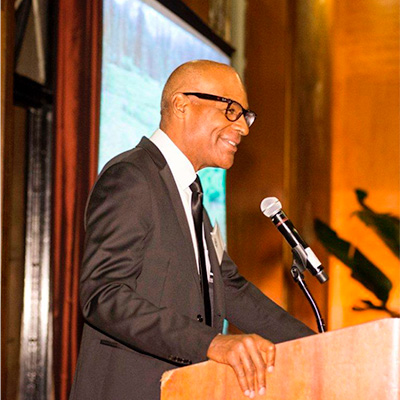
Mark Dubois Honorees
This year FOR honored Caleen Sisk and Dan Beard.  Caleen is the Spiritual Leader and Tribal Chief of the Winnemem Wintu Tribe who practice their traditional culture ceremonies in their territory along the McCloud River in Northern California. She has focused on maintaining the cultural and religious traditions of the Tribe as well as advocating for California salmon restoration. FOR is working with the Winnemem Wintu to save the McCloud and upper Sacramento Rivers from plans to raise Shasta Dam.

Dan Beard penned the recently released book Deadbeat Dams, and declared “the dam building era is now over” while serving as the Commissioner of the U.S. Bureau of Reclamation in President Clinton’s first term. Dan reorganized the Bureau to pivot away from dam building to promoting water conservation and environmental restoration. He also served as Staff Director for the House Interior Subcommittee on Water and Power where he helped advance the work of river champion, and former CRA honoree, Congressman George Miller.

river-advocate-1-michael-dornSpecial thanks to Michael Dorn for serving as our Emcee!
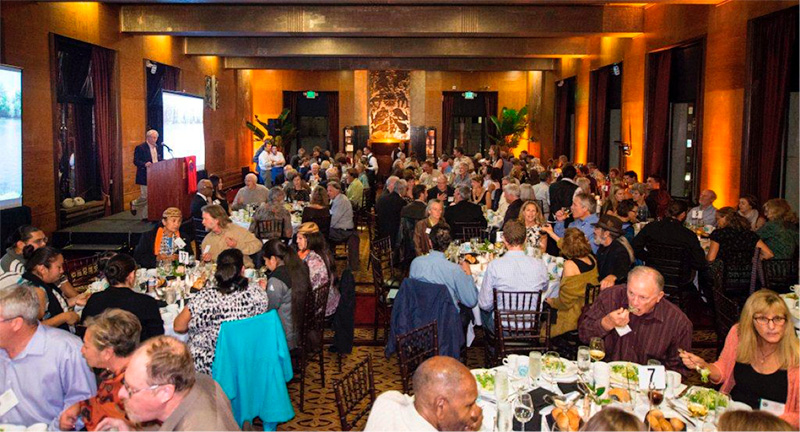
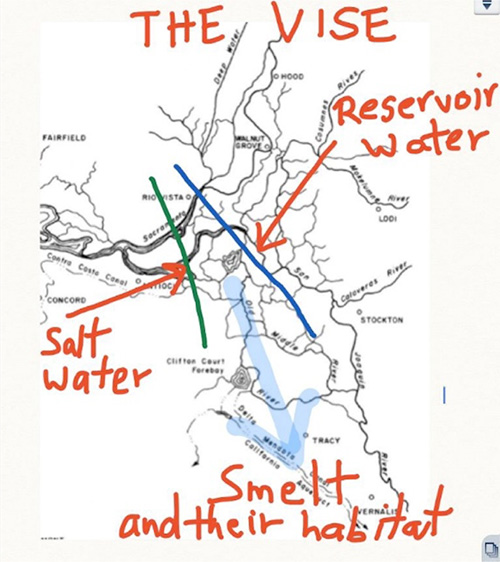
One would think that the man who bears one of the most unique accomplishments in Star Trek history—he has appeared as the same character in more hours of Star Trek than any other actor—would be instantly recognizable to the public.  But thanks to the wigs and prosthetics he was forced to don as Worf, Michael Dorn is more likely to pass through a crowd unnoticed than any of his cast mates from Star Trek: The Next Generation or Star Trek: Deep Space Nine.  That is, until he opens his mouth:  Dorn’s distinctive baritone voice is always a surefire giveaway, and has been heard not only on TNG and DS9, but also in dozens of  animated series, computer games and television commercials.

Thank You Michael!


Get Your Cameras Ready!

Johnnie Carlson, Operations Director

river-advocate-3-get-your-cameras-ready

With the coming El Niño we might be in for a wet winter and beautiful spring wildflowers in a California river canyon with endangered rivers. Let’s make sure your out getting images or video of those special places so we can share majesty of these treasures here at FOR with others and the media! Share your images with info@friendsoftheriver.org.


river-advocate-4-delta-watersProgress in Delta Tunnels War

Bob Wright, Senior Counsel

The health of the San Francisco Bay-Delta is critically important. Friends of the River (FOR) is a David fighting many Goliaths in the ongoing war to save the Delta from the Water Tunnels. The project, previously called the Bay Delta Conservation Plan (BDCP) is now, after the positive features including wetlands restoration were dropped, called the California Water Fix. The Tunnels would divert enormous quantities of water from the Sacramento River near Clarksburg, California. As a result of this massive diversion, the freshwater that presently flows through designated critical habitats for crashing fish populations in the Sacramento River and sloughs to and through the Bay-Delta before being diverted for export at the south Delta, would no longer reach the Delta. The benefits of those freshwater flows for Delta water flows and water quality, fish, and fish habitat would be lost.

This is a long war. With the close of the Water Fix comment period on October 30, 2015, we have had some successes. Our work over the past two years in encouraging the Environmental Protection Agency (EPA) to stand up for the National Environmental Policy Act (NEPA) and water quality helped result in the October 30, 2015 EPA review grade given to the Water Fix Supplemental Draft Environmental Impact Statement (SDEIS). The EPA gave the Water Fix Plan’s SDEIS a rating of “’3’ Inadequate” (letter, p. 4) which is the EPA’s failing grade for a federal EIS. The EPA concluded that deferral of water flow management decisions means “that any attempt to describe the environmental impacts of the project is necessarily incomplete.” (Letter, p. 2). EPA also found that the “SDEIS predicts a loss of valuable aquatic habitat for many fish species in the Delta and upstream tributaries due to the combined effects of the Water Fix project, CVP/SWP exports, climate change, and increased water diversions upstream of the Delta in the Sacramento River Basin. These species have experienced sharp population declines in the last decade and showed record low abundance over the last five years.”

river-advocate-5-delta-watersWe have already addressed EPA’s failing grade in our joint letter with the Environmental Water Caucus to the Army Corps of Engineers on November 4, 2015. There, we declare that since the Draft environmental document prepared by Reclamation and the Department of Water Resources is proven to be inadequate as determined by the EPA, the Corps will have to prepare its own legally sufficient Draft EIS before considering the permit applications filed with the Corps that would advance the Water Tunnels. We will soon be taking the same position in the State Water Resources Control Board (SWRCB) process that will determine whether to permit the new upstream diversions for the Tunnels.
We have also for almost three years now, been calling upon the federal and state agencies involved in the BDCP/ Water Fix process, to complete the required consultations and obtain biological opinions from the National Marine Fisheries Service and U.S. Fish and Wildlife Service under §7 of the Endangered Species Act (ESA) before rather than after making decisions whether to approve the Tunnels. FOR was the first organization to recently call upon the SWRCB to obtain ESA compliance before rather than after making its decision whether to approve the new upstream points of diversion necessary to construct and operate the Water Tunnels. We have been successful. On October 30, 2015, the SWRCB announced that Part II of the hearing, focusing on the potential effects of the diversion change on fish and wildlife and recreational uses “is not planned to commence until after the environmental and endangered species act compliance processes are completed.”

river-advocate-6-delta-watersHappily, the bullets in this war over the Tunnels are words and paper. But the outcome of the war will indeed be a matter of life and death for endangered and threatened fish species including Winter-run and spring-run Chinook Salmon. We win some battles, we lose some battles. The fight goes on and every FOR member and supporter can have a place in the struggle to win the battle for the hearts and minds of Californians. The growing public opposition to the Tunnels has been a huge factor in this being a fight rather than a cakewalk for the Tunnels and their supporters. The other side has money and power. What we have is the truth— the Water Tunnels would be very bad for northern California rivers and the Delta.
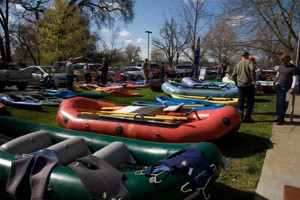

Make a River Smile this Holiday Season! FOR’s Outreach & Office Wish List

Johnnie Carlson, Operations Director

Working with a non-profit budget means always striving to keep overhead and expenses low to ensure that our river protection and outreach programs are always our top priority. FOR has postponed or decided to forgo the purchase of the following items – and maybe you can help us! If you have an item(s) on our wish list that you can donate, or would like to purchase and donate to FOR contact Johnnie Carlson at (888) 464-2477 extension 211 or by email to: jcarlson@friendsoftheriver.org

river-advocate-7-outreach-itemsOutreach Items
Roll-a-tables (useable)
Self-bailing Rafts (useable another few seasons)
Flat-water Canoes (useable)
Flat-water Kayaks (useable)
Adult Universal PFD’s (new or very good condition)
Whitewater Helmets  (safe & useable)
Guest Rafting Paddles (decent shape)
Canoe Paddles (decent shape)
Kayak Paddles (decent shape)
2×6 or 3×8 folding tables (solid & in good condition)

Office Equipment/Technology
MacBook Pro (2012 or later – refurbished is OK)
LED DVD/Computer Projector (working)
GoPro Hero Camera (version 2 or better)
GoPro Hero accessories (mounts, straps, battery, etc)


river-advocate-8-ron-storkRiver Currents

Ron Stork, Policy Director

Deadbeat Dams go on National TV
I’m glad the PBS News Hour was able to do a seven-minute report-from-the-field piece on the California dam controversies. And I’m glad they included some critics — including me.

After all, the U.S. Senate and House hearings on the California drought bills (H.R. 2898 and S. 1894) that “authorize” construction of new “storage” — i.e., more river landscapes destroyed for little gain — failed to include anyone opposed to such things.

But someone has to tell the truth: that building dams on already overtapped rivers gains little for the huge investment. Someone has to report that the dams are popular in some circles only because they are being built with other people’s money. But as far as the press coverage for the last few years, no one did.

Common sense voices were not in demand. And so they weren’t heard.

The result, $2.7 billion in free money for dams in Proposition 1 passed by the voters, and the California drought bills poised to be passed in the United States Congress that “authorize” any Federal dam that can get a 50% cost-sharing partner (and a 25% Federal subsidy for non-Federal dams from Uncle Sam too — and a special federal bank to help finance your dam).

The News Hour piece, as short as it was, was the kind of initial-investigation journalism that should have been all over the California media before the California voters passed the water bond. In fact it should have been there when the legislature considered putting the water bond on the ballot.

Well, the second hit to California rivers could be voted on in the Congress in the next month or two (the California drought bills folded into Senator Murkowski’s omnibus western water bill). It’s long past time for friends of rivers in California to start knocking on the doors of local media throughout the state. There’s a story there, and many people need to tell it. Politics should not be just a spectator sport.

The drought bills perpetuate the magical thinking that after so many years of damming rivers in this state that we can dam our way to Paradise. We can’t, and the sooner we realize this, the sooner we can tackle water and river problems in this state successfully.

Crazy Times in the U.S. Congress, the Local Angle

Well, the lunatics took control of the asylum back in our nation’s capital some time ago, and the state’s water buffalos plan to take full advantage.

H.R. 8, a measure crafted by the Pacific Gas & Electric Company (PG&E) and the National Hydropower Association to cripple the voices of Federal natural resources and land managers and the states in the licensing and relicensing of non-Federal dams, is now expected to be voted on in December.

I talked about H.R. 8 in the last River Advocate.

Everyone’s Congressional representative will have a chance to stand up for rivers when this comes up for a full House vote, but potentially the most important Congressman on this one is Stockton’s Jerry McNerney. He carried key amendments sought by PG&E in committee. Getting Jerry to reverse course would send a message to PG&E that folks are not being fooled or they can’t stay fooled for long.

And then there’s the National Hydropower Association annual meeting, this time at the headquarters of the Sacramento Municipal Utility District in the state’s capital, on December 8. That’s just before the height of the holiday season, a fine time to let the association know that H.R. 8 is not exactly the kind of Christmas present that this country needs.

The lunatics may control the asylum, but citizens do have the right to talk to the press, elected officials, and public and private boards of directors. It’s probably time to do just that.
Metropolitan moves

The state’s water buffalos are nothing if not predictable. In a move to quiet criticism of potential moves to repeal protection of the McCloud River, back in 2007 the Westlands Water District paid $33 million to buy land along the McCloud River, including the exclusive Bollibakka Fly Fishing Club.

Now the giant wholesaler the Metropolitan Water District of Southern California is angling to buy five Delta islands (read the Sacramento Bee article from the 10th), the potential price tag: $150 to $240 million. It’s hard to read that news without being reminded of the Los Angeles Department of Water and Power’s successful effort to buy up much of the private property in the then verdant Owens Valley to smooth the way for LA’s effort to harness the Valley’s water resources for developers in the San Fernando Valley in southern California. They made a movie about it, a dark one called Chinatown.

11 Tips for River Safety

  1. Tell someone where you are going, when you expect to return, and where to call if you don’t.
  2. NEVER BOAT ALONE. Be sure your whitewater/boating skills and experience are equal to the river and the conditions.
  3. Wear a properly fitted Personal Flotation Device (PFD) at all times when you are in or near the river.
  4. Know your limits of swimmers rescue and self rescue on whitewater rivers. Know when and how to swim for an eddy.
  5. Be prepared for extremes in weather, especially cold. Know about the dangers of hypothermia and how to deal with it. Know early signs and symptoms of heat exhaustion and dehydration in hot weather.
  6. Reduce threat of injury by wearing protective footwear and proper clothing.
  7. Carry a first aid kit and know how to use it. Learn or review medical aid responsibilities and CPR.
  8. Never run a rapid unless you can see a clear path through it. Watch out for new snags after winter and spring floods.
  9. Allow the craft ahead of you to pass through the rapid before you enter it. This will avoid a double disaster if the leading boat blocks the channel.
  10. When in doubt, stop and scout. If you are still in any doubt? Portage!
  11. Review these tips with your guests before you set out.