
Join us for an unforgettable evening at the 26th Annual California River Awards. This gala event is not only a celebration of the rivers that have shaped our beautiful state but also a crucial fundraiser for our ongoing advocacy efforts.
Click the link below to sponsor, donate an auction item, or purchase tickets for the live event.
The silent online auction will run from April 1st to April 26th. This is a fantastic opportunity to bid on some amazing items and experiences, all while supporting our mission.
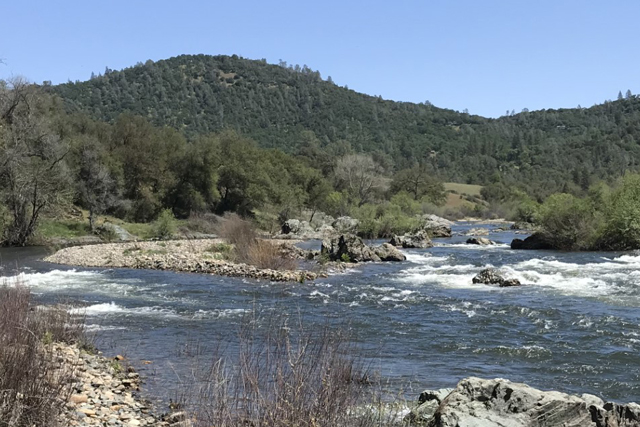
With your support, we can work together to restore flows where excessive diversions reduce flows, to improve hydropower operations to benefit people and fish, to fight destructive reservoirs, and to strengthen river protections.
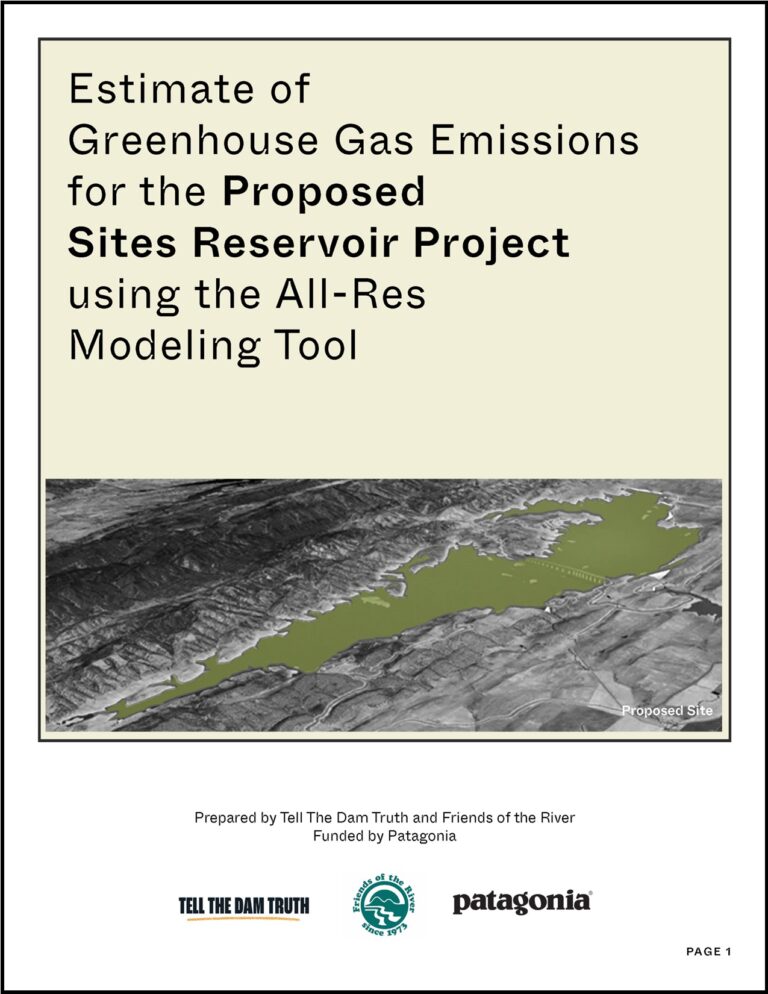
Friends of the River, Tell The Dam Truth, and Patagonia have partnered to estimate Sites Reservoir greenhouse gas emissions - finding that the reservoir's annual emissions will equal 80,000 gasoline-powered cars. This project will harm rivers and is not in line with California's climate goals.

Sites Reservoir is expensive for taxpayers, bad for salmon, and will create little water for Californians, adding less than 1% to California's water supply on average. The era of big dam building is over -- it's time to usher in an era of sustainable water management. It's now or never to Stop Sites.
Friends of the River
Committed to becoming a more powerful voice for a climate resilient water future in California with healthy rivers, equal access to safe and affordable drinking water, and a thriving, sustainable economy for all Californians.
